French Water Dog

Barbet

Quick Facts

πŸ• Breed Group
Sporting Group
πŸ“ Size Category
Medium
πŸ“ Height
Males: 21.5-24.5 inches, Females: 19-22 inches
βš–οΈ Weight
Males: 37-62 lbs, Females: 35-55 lbs
⏱️ Life Expectancy
12-14 years
🧣 Coat Type
Long, curly, woolly
🎨 Coat Colors
Black, brown, fawn, gray, white, with or without markings
πŸ˜€ Temperament
Friendly, joyful, obedient
πŸƒ Exercise Needs
Moderate to High
πŸŽ“ Training Difficulty
Easy to Moderate
πŸ‘Ά Good with Children
Yes
🐾 Good with Other Pets
Yes

Other Names & Breed Recognition

The French Water Dog is perhaps the most straightforward name this breed carries, and it tells you exactly what you are getting. This is a dog built from the ground up for water work in the French countryside, and calling it the French Water Dog simply puts that identity front and center. The name has been used informally for centuries to describe this curly-coated retriever, long before kennel clubs formalized anything. If you have ever seen a dog emerge from a marsh completely unbothered by the cold, shaking off a layer of muck with that distinctly unbothered attitude, you have probably met a French Water Dog.

The breed's formal registry name is the Barbet, which itself comes from the French word "barbe" meaning beard. That shaggy facial furnishing is one of the breed's most recognizable features, and it earned the dog its official title centuries ago. The Barbet name appears in French literature and sporting texts dating back to at least the 16th century, and the breed is considered one of the foundational water dogs of Europe. Many familiar breeds, including the Poodle, are believed to carry Barbet ancestry.

Beyond French Water Dog and Barbet, you may occasionally encounter references to this breed as Le Chien Barbet, which is simply the full French construction meaning "the bearded dog." In some historical texts, the breed is grouped loosely with other European water spaniels, though the Barbet is not technically a spaniel. The breed has always occupied its own distinct space as a purpose-built water retriever with a coat designed for insulation in cold marshes and a temperament built for close partnership with hunters.

The AKC granted full recognition to the Barbet in 2020, placing it in the Sporting Group. The FCI classifies the breed under Group 8, Section 3, with the other water dogs. The Kennel Club in the UK recognizes the breed in its Gundog group. Regardless of which name appears on the paperwork, the dog is the same capable, affectionate companion that has been pulling waterfowl out of French wetlands for hundreds of years.

French Water Dog Organizations & Standards

The Barbet Club of America serves as the AKC parent club and has been the driving force behind the breed's recognition and health testing infrastructure in the United States. The BCA maintains a breeder listing with strict requirements, including publicly posted health results on the OFA database and participation in the breed's CHIC program. The club also coordinates rescue efforts for any French Water Dog that needs rehoming, which is relatively uncommon given the breed's small population and the close-knit nature of the community.

The breed standard describes a solidly built, medium-sized dog with a distinctive curly coat that should appear rustic and natural rather than sculpted. The standard calls for a square outline when viewed from the side, with substance and bone appropriate for a working retriever. Height ranges from roughly 19 to 24.5 inches at the shoulder depending on sex, with males carrying noticeably more frame than females. The head should be broad with a rounded skull, and that signature beard and mustache should be well-developed. The coat is expected to cover the entire body in thick, woolly curls, and the standard specifically discourages excessive trimming. This is meant to look like a working dog, not a show poodle.

The CHIC program for the French Water Dog requires hip evaluation through OFA or PennHIP, elbow evaluation, and an ophthalmologist examination. The prcd-PRA DNA test is also part of the recommended protocol, and responsible breeders treat it as mandatory given the carrier rate within the breed. Additional testing that conscientious breeders may pursue includes cardiac screening, thyroid panels, and the D-locus dilution gene test.

In Canada, the Barbet Club of Canada works alongside the BCA on international health surveys and pedigree tracking through the Pawpeds database. The UK's Barbet Club provides resources for enthusiasts across Britain, where the breed has been gaining ground among sporting dog fanciers. The FCI standard, which is the international reference document, closely mirrors the AKC version with minor differences in measurement conventions. Across all registries, the emphasis remains consistent: this is a functional water dog first, and the standard reflects that working heritage in every measurement and proportion. The breed community's small size actually works in its favor when it comes to health coordination, because breeders know each other and share information openly through the Pawpeds pedigree database and club health surveys.

Kennel Club Recognition

  • American Kennel Club (AKC): Recognized in 2020, Sporting Group
  • United Kennel Club (UKC): Recognized, Gun Dog
  • Canadian Kennel Club (CKC): Recognized, Sporting Dogs
  • FCI: Recognized, Group 8 - Retrievers
  • The Kennel Club (UK): Recognized, Gundog

French Water Dog Physical Description

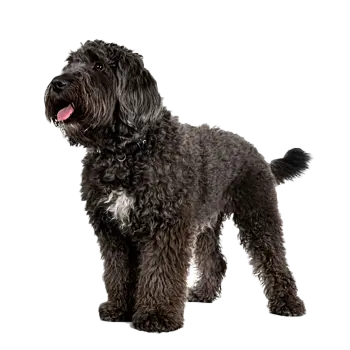
The first thing most people notice about the French Water Dog is the coat. It covers the entire body in dense, woolly curls that range from tight ringlets to looser waves depending on the individual. The texture is substantial, almost rope-like in some dogs, and it serves a genuine purpose. That coat provided insulation against the cold water of French marshes, and it repels moisture effectively enough that the dog dries relatively quickly after a swim. The coat grows continuously and does not shed in the traditional sense, which means loose hair stays trapped in the curls rather than ending up on your couch.

Underneath all that fur is a solidly constructed dog with real substance. The French Water Dog is medium-sized, standing between 19 and 24.5 inches depending on sex, with weight ranging from about 35 to 62 pounds. The body should be roughly square in proportion, meaning the length from chest to rump is approximately equal to the height at the shoulder. There is nothing delicate about this dog. The chest is broad and deep enough to support stamina in the water, and the legs are straight with solid bone. The feet are round and well-padded, and many individuals have noticeable webbing between the toes, which aids in swimming.

The head is one of the breed's most distinctive features. It is broad with a well-rounded skull, and the stop is noticeable but not abrupt. The muzzle is square and strong, and it is framed by that characteristic beard and mustache that gave the Barbet its formal name. The eyes are round and set forward on the face, usually dark brown to match the coat, and they carry an expression that most owners describe as warm and attentive. The ears are set low and hang flat against the cheeks, covered in the same curly coat as the rest of the body.

Coat colors include black, brown, fawn, gray, and white, as well as various combinations of these with markings. Some dogs display a solid color while others carry white patches on the chest or feet. The brown shades can range from a deep chocolate to a lighter sand tone, and the fawn dogs sometimes have a warm golden quality. Regardless of color, the texture of the coat should remain consistent: dense, curly, and protective.

Movement in the French Water Dog is efficient and ground-covering. The gait should be free and easy, with good reach in front and solid drive from behind. These dogs were bred to cover terrain all day alongside a hunter, and they move with the kind of effortless endurance that reflects that history. There is nothing exaggerated about the way a well-built French Water Dog moves.

Sexual dimorphism is noticeable but not extreme. Males tend to carry heavier bone and a broader head, while females present a more refined overall frame without appearing delicate. Both sexes should convey the impression of a capable working dog with the strength and stamina to spend a full day in the field.

The tail is carried with a slight hook at the tip when the dog is at rest and rises when the dog is alert or working. It is covered in the same curly coat as the body and adds to the breed's overall impression of a dog that is completely, uniformly covered in protective fur from nose to tail tip. When the French Water Dog stands still and alert, the overall silhouette is balanced and compact, with the coat giving the body a rounded, substantial appearance that belies the athletic frame underneath. In the water, that same coat fans out slightly, trapping air and providing buoyancy that assists the dog during long retrieves across open water.

Affectionate With Family
The French Water Dog bonds deeply and wants to be wherever you are. They are the kind of dog that follows you from room to room just to stay close.
Good With Young Children
Patient and gentle around kids, these dogs handle the noise and energy of a busy household with good humor. Supervision is still wise with very small children given their enthusiasm.
Good With Other Dogs
Naturally sociable, the French Water Dog gets along well with other dogs and tends to approach new canine friends with curiosity rather than tension.
Shedding Level
Minimal shedding is one of this breed's appealing traits. The curly coat holds onto loose hair, which means less fur on your furniture but more commitment at the grooming table.
Coat Grooming Frequency
That gorgeous woolly coat needs regular attention to prevent mats. Expect to brush several times a week and schedule professional grooming every few months.
Drooling Level
Not a drooler by any measure. The French Water Dog keeps a tidy face, though the beard can hold water after a drink.
Coat Type
The curly, dense coat is designed for water work and provides excellent insulation. It has a woolly texture that is unique among sporting breeds.
Openness To Strangers
Generally welcoming toward new people, the French Water Dog approaches strangers with friendly interest rather than suspicion.
Playfulness Level
These dogs maintain a playful, puppyish quality well into adulthood. Give them water and a retrieving toy, and they will entertain themselves for hours.
Watchdog/Protective Nature
They will alert you to something unusual, but guarding is not their strong suit. Expect a bark at the door, not serious territorial behavior.
Adaptability Level
Adaptable enough for different living situations as long as exercise needs are met. They do best with access to water and outdoor space.
Trainability Level
Eager to please and quick to learn, the French Water Dog responds beautifully to positive methods. They pick up new skills with genuine enthusiasm.

French Water Dog History & Development

The term French Water Dog has been attached to this breed informally for as long as anyone can remember, because it describes the animal's identity more directly than any other name could. This is a dog that was shaped by French marshlands, and its entire physical and behavioral toolkit evolved around the demands of retrieving waterfowl in cold, murky conditions. The breed's written history stretches back to at least the 16th century, and artistic depictions from even earlier suggest that curly-coated water dogs were working alongside French hunters long before anyone thought to write breed standards.

The name French Water Dog gained traction outside of France as the breed became known to English-speaking dog enthusiasts. When the breed first appeared in international contexts, "French Water Dog" was the most natural way to explain what this animal was and where it came from. The formal name Barbet existed in French texts, but for those encountering the breed from across the Channel or across the Atlantic, "French Water Dog" communicated everything they needed to know in three words.

Historically, the French Water Dog occupied a specific niche in the sporting ecosystem. It worked the marshes and estuaries where other retrievers might hesitate, pushing through thick vegetation and swimming in conditions that would discourage less hardy dogs. The French expression "crottΓ© comme un barbet" - muddy as a Barbet - became a common saying, which tells you everything about the conditions these dogs thrived in. They were not parlor dogs or gentleman's accessories. They were working animals owned by hunters who needed a reliable partner in difficult terrain.

The breed's influence on other dogs is significant. Most historians credit the French Water Dog as a foundational ancestor of the Poodle, which was itself originally a duck-hunting dog in Germany before it became associated with show grooming and companion life. The Bichon family of breeds, the Irish Water Spaniel, and potentially the Newfoundland all carry some degree of French Water Dog heritage. This makes the breed a kind of common ancestor for a surprisingly wide branch of the canine family tree.

The French Water Dog population declined significantly during both World Wars, as did many European working breeds. By the mid-20th century, the breed was genuinely rare, and dedicated French enthusiasts undertook careful breeding programs to rebuild numbers without sacrificing health or working ability. That effort continues today, and the breed remains relatively uncommon worldwide, with roughly a thousand registered with the AKC. The small population means that every breeding decision carries weight, and the community takes health testing and pedigree transparency seriously.

The breed's arrival in North America is relatively recent, with the first imports coming in the early 2000s. American and Canadian enthusiasts worked closely with French breeders to establish healthy founding stock, and the Barbet Club of America formed to guide the breed's development in the United States. AKC recognition in 2020 marked a milestone, but the breed's supporters have been careful to prioritize health and temperament over show ring popularity. The name French Water Dog continues to serve as the most intuitive description of what this breed is and where it came from, and it remains the name many newcomers use when they first encounter this remarkable dog.

French Water Dog Temperament & Personality

If you spend any time around a French Water Dog, the first thing you will notice is how much this breed wants to be involved in whatever you are doing. This is not a dog that goes off on its own and entertains itself in the yard. It is a partner, and it will follow you from room to room, settle at your feet while you work, and position itself wherever it can maintain visual contact. That closeness is not neediness in the anxious sense. It is a reflection of what these dogs were bred for: working in tight coordination with a human handler, reading body language, and anticipating direction.

The intelligence is genuine and practical. French Water Dogs figure things out quickly, whether that means learning a new retrieve pattern, understanding a household routine, or working out how to open a gate latch. They are problem solvers with a calm persistence, and they bring an enthusiasm to training that makes the process enjoyable for both sides. Positive reinforcement works extremely well with this breed because they are naturally motivated by praise and interaction. Harsh correction will shut them down, and you will lose their cooperation faster than you can rebuild it.

With other dogs, the French Water Dog is generally social and relaxed. They tend to approach new canine encounters with curiosity rather than tension, and they integrate well into multi-dog households. Same-sex aggression is not a documented concern with this breed. Their water dog heritage means they are comfortable in active, stimulating environments and do not become overwhelmed by commotion the way more sensitive breeds might.

Around strangers, most French Water Dogs are friendly and approachable. They may offer a brief alert bark when someone arrives, but they are not guard dogs and should not be expected to fill that role. Their default response to new people is friendly investigation, and they warm up quickly. This openness extends to children, and the breed has a reputation for patience with younger family members. Their medium size and sturdy build also mean they can handle the rougher play that comes with kids without being knocked around.

When their needs go unmet, the French Water Dog does not typically become destructive in a dramatic way. Instead, you are more likely to see restlessness, attention-seeking behavior, and a general sense of dissatisfaction that manifests as following you around more insistently or vocalizing. These dogs need mental engagement as much as physical exercise, and a bored French Water Dog will let you know about it in its own persistent, polite way. Providing regular opportunities for problem-solving, retrieving, and exploration keeps that bright mind satisfied and prevents the low-grade frustration that can develop in an understimulated dog.

One quality that catches people off guard is the breed's sensitivity to household tension. French Water Dogs are emotionally attuned to their families and will pick up on stress, arguments, or disruptions in routine. A chaotic home environment may produce a more anxious dog than you would expect from such a confident breed. Keeping things relatively predictable and calm, especially during the first year, helps this breed develop into the steady, easygoing companion it is capable of becoming.

French Water Dog Family Life & Living Requirements

The French Water Dog fits into family life with surprising ease for a sporting breed. Their moderate size means they are not overwhelming in a home setting, and their generally calm indoor demeanor makes them pleasant housemates. That said, calm indoors depends entirely on whether their exercise needs have been met outdoors. A French Water Dog that has had a good swim or a long hike will be content to relax on the couch. One that has been cooped up all day will pace, follow you around, and generally make its restlessness known.

Housing with a yard is ideal, particularly if you have access to water. These dogs genuinely love to swim, and access to a pond, lake, or even a kiddie pool will make a noticeable difference in their satisfaction. Apartment living is technically possible if you are committed to daily exercise, but it requires real dedication. This breed does best when it can move freely in and out of outdoor space throughout the day.

With children, the French Water Dog is patient and tolerant. They handle the unpredictability of young kids well and tend to engage gently rather than roughly. Teaching children to respect the dog's space during rest times is always important, but this breed is less likely than many to snap or retreat when a toddler grabs a handful of curly fur. Older children who can participate in training, swimming, or fetch will find an enthusiastic partner.

Multi-pet households work well for this breed. Their sociable nature extends to cats and other animals, especially when introductions happen early. The French Water Dog does not have a particularly strong prey drive compared to some sporting breeds, and they tend to accept household animals as part of their family unit. That cooperative instinct that made them excellent hunting partners translates directly into a willingness to share space and resources with other pets.

One thing to know going in is that the French Water Dog's attachment to its people means it does not handle extended isolation well. If your household is empty for ten or twelve hours a day, this breed will struggle. They need companionship, whether that comes from a human, another dog, or a combination of both. A dog walker or doggy daycare can bridge the gap on busy days, but this is not a breed you can leave alone routinely and expect to remain content.

French Water Dog Training & Exercise Needs

Training a French Water Dog is one of the genuine pleasures of owning this breed. They bring an eagerness to the process that makes sessions productive and fun, and they retain what they learn with impressive consistency. Positive reinforcement is the only approach worth using here. These dogs respond to encouragement, treats, and praise with enthusiasm, and they will work hard to earn your approval. Harsh methods or raised voices will cause them to withdraw, and once you damage that trust, it takes real patience to rebuild it.

Basic obedience comes easily to most French Water Dogs. Sit, stay, come, and leash manners are typically mastered quickly, and the breed's natural attentiveness means they are already watching you for cues before formal training even begins. Where they really shine is in activities that engage their retrieving instincts. Fetch, dock diving, and water retrieval drills tap into centuries of breeding and will produce a dog that is visibly in its element. Agility and rally obedience are also good fits, giving the dog both physical exercise and the mental challenge it craves.

Exercise needs are moderate to high. A daily walk alone will not be enough for most French Water Dogs. Plan on at least an hour of active exercise per day, with variety being important. Swimming is the gold standard for this breed, and if you can incorporate water work into the routine, you will see a noticeable difference in your dog's contentment. Hiking, jogging, and interactive play sessions in the yard all contribute to keeping the French Water Dog physically satisfied.

Mental stimulation matters just as much as physical activity. Puzzle toys, scent work, and training games help keep the French Water Dog's mind engaged. A physically tired dog that has not been mentally challenged will still find ways to entertain itself, and those ways may not align with your preferences. Building problem-solving into the daily routine prevents boredom and strengthens the bond between dog and handler.

Socialization should begin early and continue throughout the dog's life. Puppy classes, exposure to different environments, and positive encounters with new people and animals all contribute to the confident, well-adjusted adult that this breed is capable of becoming. The French Water Dog's naturally social disposition gives you a head start, but consistent socialization ensures that openness develops into genuine confidence rather than defaulting to timidity.

French Water Dog Health Concerns

The French Water Dog is a generally healthy breed, but the small population means that certain conditions require careful attention from breeders and owners alike. Hip dysplasia is one of the primary orthopedic concerns. In this condition, the ball and socket of the hip joint develop improperly, leading to grinding, pain, and eventual arthritis. You might notice a young dog bunny-hopping up stairs or showing reluctance to run, and older dogs may develop a stiff gait or struggle to rise after resting. Screening through OFA or PennHIP before breeding is standard practice, and keeping your dog at a healthy weight throughout its life makes a meaningful difference in managing joint health.

Epilepsy and allergies have both been noted in the breed. Epilepsy presents as recurring seizures that can often be managed with medication, while allergies typically manifest as skin irritation, excessive licking, or chronic ear problems. Both conditions benefit from early veterinary involvement and ongoing management.

Common Health Issues

  • Hip dysplasia - Abnormal development of the hip joint leading to pain, arthritis, and reduced mobility. Screening through OFA or PennHIP is recommended before breeding, and weight management helps reduce progression.
  • Elbow dysplasia - Malformation of the elbow joint causing front-leg lameness that typically worsens with activity. OFA evaluation is part of the breed's recommended health testing.
  • Progressive retinal atrophy (prcd-PRA) - Inherited degeneration of the retina causing gradual vision loss and eventual blindness. Approximately 40 percent of tested French Water Dogs carry the gene. A DNA test identifies carriers and affected dogs.
  • Ear infections - The breed's floppy ears, dense coat, and love of water create an environment where bacteria and yeast thrive. Regular cleaning and drying after water exposure help prevent recurring infections.
  • Epilepsy - Recurring seizures that can range from mild to severe. The condition is manageable with anticonvulsant medication and regular veterinary monitoring.
  • Allergies - Skin and environmental allergies that may present as itching, redness, chronic ear infections, or excessive paw licking. Identification of triggers and management with diet or medication are typical approaches.

Preventive Care & Health Monitoring

  • OFA or PennHIP hip evaluation to screen for hip dysplasia before breeding - Results should be posted publicly on the OFA database.
  • OFA elbow evaluation to identify elbow dysplasia - This is part of the breed's CHIC program requirements.
  • CAER ophthalmologist examination starting at 12 months of age and repeated periodically throughout the dog's life to monitor for eye conditions including cataracts and entropion. - CAER ophthalmologist examination starting at 12 months of age and repeated periodically throughout the dog's life to monitor for eye conditions including cataracts and entropion.
  • prcd-PRA DNA test through an approved laboratory. This test identifies clear - Carrier, and affected dogs and is essential for responsible breeding decisions given the breed's carrier rate.
  • Regular ear cleaning with veterinarian-recommended solution - Especially after swimming or water exposure, to prevent bacterial and yeast infections.
  • Annual veterinary wellness exams including thyroid screening and cardiac auscultation - Additional testing for the D-locus dilution gene may be pursued by breeders.

French Water Dog Grooming & Maintenance

The French Water Dog's coat is both its most striking feature and its most demanding maintenance requirement. That dense, curly covering does not shed in the conventional way, which sounds like a benefit until you realize that all the hair that would normally fall out stays tangled in the coat instead. Without regular brushing, those curls will mat, and mats that reach the skin can cause irritation, trap moisture, and create conditions for skin infections. Plan on brushing thoroughly at least three to four times per week, working through the coat section by section to prevent tangles from tightening.

Professional grooming every six to eight weeks helps keep the coat manageable. The standard calls for a natural, rustic appearance rather than a sculpted look, so grooming should focus on maintaining coat health rather than achieving a polished aesthetic. Some owners keep the coat trimmed shorter for practicality, especially during warmer months, while others maintain the full length. Either approach works as long as the coat receives consistent attention between grooming appointments.

Bathing should happen as needed rather than on a rigid schedule. The coat has natural oils that help repel water and dirt, and over-bathing strips those oils and can lead to dry, brittle fur. After a swim in natural water, a thorough rinse with clean water is usually sufficient. If the dog has gotten genuinely dirty, a mild dog shampoo followed by careful drying will do the job. Blow-drying on a low setting while brushing helps prevent mats from forming as the coat dries.

Ear care deserves special attention with this breed. The combination of floppy ears and a love of water means moisture gets trapped regularly. Check the ears after every swimming session and clean them with a veterinarian-recommended ear cleaner to prevent infections. Keeping the hair around the ear canal trimmed back also improves airflow and reduces the moisture problem.

Nails should be trimmed every two to three weeks or as needed. Dental care follows the standard recommendation of regular brushing with a dog-safe toothpaste, and annual dental cleanings help prevent the tartar buildup that leads to gum disease. The French Water Dog's beard tends to collect food and water, so a quick wipe after meals keeps things tidy and prevents the damp environment that can cause skin irritation around the muzzle.