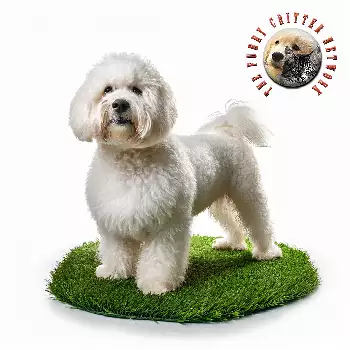

Botoli

Bolognese
Gallery coming soon

Furry Critter Network Etsy Shop

Quick Facts

🐕 Breed Group
Companion
📏 Size Category
Small
📏 Height
10-12 inches
⚖️ Weight
5.5-9 pounds
⏱️ Life Expectancy
12-14 years
🧥 Coat Type
Long, fluffy, cotton-like single coat
🎨 Coat Colors
Pure white
😀 Temperament
Devoted, calm, playful, docile
🏃 Exercise Needs
Low to Moderate
🎓 Training Difficulty
High
👶 Good with Children
Yes, especially older children
🐾 Good with Other Pets
Yes, generally good with other pets

Other Names & Breed Recognition

The Botoli carries a rich naming heritage that reflects its deep historical roots in Italian culture and its evolution as a companion breed treasured across centuries. The name "Botoli" is one of several traditional Italian names used for this breed, particularly in its early history and in certain regions of Italy where the breed has been known for generations. This designation connects the breed to its Italian heritage and the regional variations in naming that characterized much of the breed's early development before standardization efforts established official nomenclature.

The most common and officially recognized name is "Bolognese," derived directly from the city of Bologna in northern Italy where the breed is believed to have originated or at least been refined into its modern form. The connection to Bologna is not merely geographical but cultural, as the breed became closely associated with the city's aristocratic families and wealthy merchants during the Renaissance period. The name "Bolognese" immediately communicates the breed's Italian heritage and its connection to one of Italy's most historically significant cities, known for its contributions to art, culture, and learning.

In Italian, the breed is known as "Bolognese" (pronounced bol-on-YAY-zay) or sometimes "Cane Bolognese," with "cane" meaning dog. Some historical references use "Bichon Bolognese" or simply "Bichon," connecting the breed to the larger family of Bichon-type dogs that includes the Bichon Frise, Maltese, Havanese, and other small, white companion breeds of Mediterranean origin. The term "Bichon" itself is believed to derive from "barbichon," meaning small barbet or small dog, though the exact etymology remains debated among breed historians.

Various affectionate nicknames and regional names have been used throughout the breed's history. "Botoli" remains one of the most recognized alternate names, used particularly by older generations of Italian breeders and in historical breed documentation. Other variations include "Bolognese Toy Dog" in some English references, though this designation is less commonly used today. Within Italy, breed enthusiasts may use diminutive forms of endearment when referring to their dogs, though these are informal rather than official breed designations.

The breed enjoys recognition by major international kennel organizations, though it remains relatively rare outside of Italy and Europe. The Fédération Cynologique Internationale officially recognizes the Bolognese within Group 9, Section 1.1, which encompasses Bichons and related breeds. This classification acknowledges the breed's place within the family of small, white companion dogs of Mediterranean origin while recognizing its distinct characteristics and Italian heritage. The American Kennel Club recognized the breed in the Foundation Stock Service in 1995 and subsequently moved it to the Toy Group, though the breed's numbers remain relatively small in North America compared to more popular toy breeds. The United Kennel Club also recognizes the Bolognese within their Companion Dog Group, emphasizing the breed's primary function as a devoted companion animal.

Botoli Organizations & Standards

The Botoli benefits from breed standards maintained by multiple international kennel organizations, with the most authoritative being the Fédération Cynologique Internationale standard, given the breed's European origins. The FCI standard serves as the foundation for most other international standards and provides comprehensive guidance for breeders and judges evaluating the breed. The FCI classifies the Bolognese in Group 9, Section 1.1, which encompasses Bichons and related breeds, acknowledging its connection to other small, white companion breeds while recognizing its distinctive characteristics.

The FCI breed standard emphasizes that the Bolognese should be a small dog of square construction, measuring approximately the same length from point of shoulder to point of buttock as height at withers. The ideal height ranges from 10 to 12 inches for both males and females, with weight between 5.5 and 9 pounds. The standard specifies that proportion and balance are more important than absolute size, and the overall impression should be one of a compact, well-balanced dog covered with a long, fluffy white coat that stands away from the body in soft flocks rather than lying flat.

The breed standard places particular emphasis on the coat, which is considered the breed's most distinctive feature. The coat should be long over the entire body from head to tail, forming flocks but never fringes. The texture is described as woolly or cotton-like rather than silky, and the coat should stand away from the body without lying flat against the skin. The color must be pure white without any markings or shadings, though some standards allow for very slight shading in puppies that typically clears with maturity. The single-layer coat lacks undercoat, which contributes to the breed's minimal shedding characteristic.

The American Kennel Club recognized the Bolognese in the Toy Group and maintains a standard that closely aligns with FCI specifications while providing additional detail suitable for American breeders and judges. The AKC standard emphasizes that the breed was developed solely as a companion and should exhibit the temperament suitable for that purpose, being devoted, serious, generally quiet, and versatile. The standard notes that while the breed is small and covered in a fluffy white coat, it should not appear fragile or overly delicate, instead maintaining sturdy construction beneath the cloud-like exterior.

The United Kennel Club places the Bolognese in the Companion Dog Group and maintains standards that emphasize the breed's historical function and temperament alongside physical conformation. The UKC standard particularly emphasizes proper temperament, noting that the Bolognese should be calm, serious, and devoted to its family while being reserved but not fearful with strangers. The standard specifies that shyness or aggression are serious faults that detract from the breed's essential character as a companion animal.

Breed standards across all organizations emphasize several key physical characteristics beyond the distinctive coat. The head should be of medium length, approximately one-third the height at withers, with a pronounced stop and a rather square muzzle that is slightly shorter than the skull. The eyes should be large, round, and dark, with black eye rims contributing to the breed's appealing expression. The ears are set high, long, and pendulous, carried away from the head. The body should be square in proportion with a level topline and good depth of chest. Movement should be free and purposeful with good reach and drive, demonstrating soundness and balance despite the profuse coat that may obscure structural detail.

All breed standards emphasize that the Bolognese should maintain its essential character as a companion breed, with temperament being as important as physical conformation. Judges are instructed to evaluate not just structural soundness and proper coat but also whether the dog displays the devoted, calm, intelligent temperament that defines proper breed type. This emphasis on temperament alongside physical characteristics ensures that breeding programs maintain the qualities that have made the Bolognese such a treasured companion for centuries.

Kennel Club Recognition

  • American Kennel Club (AKC): [object Object]
  • United Kennel Club (UKC): [object Object]
  • Canadian Kennel Club (CKC): [object Object]
  • Fédération Cynologique Internationale (FCI): [object Object]
  • The Kennel Club (UK): [object Object]

Botoli Physical Description

The Botoli presents as a small, compact dog covered in a distinctive fluffy white coat that creates a cloud-like appearance, distinguishing it immediately from other toy breeds. Standing 10 to 12 inches at the shoulder and weighing between 5.5 and 9 pounds, the breed displays square proportions with body length approximately equal to height at withers. Despite the profuse coat that can make structural evaluation challenging, the breed should maintain sturdy, well-balanced construction beneath the fluffy exterior, being neither fragile nor coarse in build.

The head is of medium length, measuring approximately one-third the height at withers, with a rather square shape when viewed from above or in profile. The skull is slightly ovoid in the sagittal direction and flat between the ears, with a pronounced stop creating clear definition between skull and muzzle. The muzzle is rather square and approximately two-fifths the total length of head, giving the breed its characteristic gentle, refined expression. The nose is large, black, and positioned on the same line as the top surface of the muzzle, with well-opened nostrils. The lips are thin and tight, with black pigmentation, and should not overlap.

The eyes are perhaps the breed's most expressive feature, being large, round, and dark in color with black eye rims that create a striking contrast against the white coat. The eyes are set well forward in the skull, looking directly ahead rather than obliquely. Their size and placement create the appealing, intelligent expression that is characteristic of the breed and reflects the Bolognese's attentive, devoted nature. Light-colored eyes or lack of dark pigmentation around the eyes are considered serious faults as they detract from proper expression.

The ears are set high on the skull, long, and pendulous, carried away from the head rather than hanging close against the cheeks. The ears are covered with long, fluffy coat that blends into the overall coat, though the leather itself is relatively thin. When alert, the ears may move forward slightly but should never stand erect. The ear leather should reach approximately to the nose when brought forward, contributing to the breed's balanced proportions and refined appearance.

The distinctive coat is the breed's most recognizable feature and requires detailed description. The coat is long over the entire body from head to tail, characterized by a cotton-like or woolly texture rather than the silky feel of many long-coated breeds. The coat stands away from the body in soft flocks or ringlets but never forms fringe. This unique texture and structure distinguish the Bolognese from similar breeds like the Maltese, whose coat is silky and flowing rather than fluffy and standing. The coat is single-layered without undercoat, which contributes to the breed's minimal shedding while requiring significant grooming to prevent matting.

The color must be pure white without any markings, shadings, or patches of color. The skin beneath the white coat should have dark pigmentation, particularly visible on nose leather, eye rims, lips, and paw pads, all of which should be black. This dark pigmentation against the pure white coat creates the striking appearance characteristic of the breed. Some puppies may show very slight ivory or champagne shading that typically clears to pure white as the adult coat develops, but mature dogs should be solidly white.

The body is compact and square in proportion, with a level or very slightly sloping topline from withers to croup. The neck is of medium length, carried high and arched, blending smoothly into well-laid shoulders. The chest is well-developed and deep, reaching to the elbows, with ribs well-sprung to provide adequate heart and lung room. The back is level and firm with a slight rise over the loin, and the croup is broad and slightly sloping. The underline shows moderate tuck-up, contributing to the breed's elegant profile without appearing excessively tucked or wasp-waisted.

The legs are straight, strong, and well-boned in proportion to body size, with good angulation that allows efficient movement. The forelegs are perfectly straight when viewed from front or side, with elbows held close to the body. The hindquarters show good muscling with moderate angulation of stifle and hock. The feet are oval in shape with well-arched toes and black pads. The tail is set in line with the croup and carried curved over the back, covered with profuse fluffy coat that contributes to the breed's overall balanced appearance.

Affectionate with Family
The Botoli forms intensely strong bonds with family members and is extraordinarily devoted to their people. This breed lives for human companionship and shows affection through constant presence, gentle cuddles, and attentive behavior. They are true velcro dogs that want to be involved in every aspect of family life and thrive on close physical and emotional connection.
Good with Young Children
While the Botoli is gentle and patient, their small size and delicate build make them better suited to families with older, more careful children. They can be overwhelmed by the rough play and unpredictable movements of very young children. With respectful, gentle children who understand appropriate dog interaction, they make wonderful companions and display remarkable patience.
Good with Other Dogs
The Botoli typically gets along well with other dogs, particularly when properly socialized from puppyhood. They enjoy canine companionship and often thrive in multi-dog households. Their friendly, non-aggressive nature means they rarely initiate conflicts, though their small size requires supervision around larger, more boisterous dogs to prevent accidental injury during play.
Shedding Level
The Botoli is considered essentially non-shedding, making them an excellent choice for those concerned about dog hair in the home. Their single-layer coat lacks an undercoat and sheds minimally, with loose hairs typically caught in the fluffy coat rather than falling onto furniture. This characteristic, combined with low dander production, makes them suitable for some allergy sufferers.
Coat Grooming Frequency
The breed's fluffy, cotton-like coat requires significant grooming commitment to prevent matting and maintain its characteristic appearance. Daily brushing is necessary to keep the coat tangle-free, with professional grooming every six to eight weeks recommended for trimming and maintaining coat health. The grooming requirement is substantial but rewarding for those who enjoy the bonding time.
Drooling Level
The Botoli has virtually no drooling tendencies, making them an exceptionally clean companion dog. Their tidy mouths rarely produce drool except perhaps briefly after drinking water. This characteristic, combined with their minimal shedding and generally fastidious nature, makes them ideal for those who prefer an immaculate household companion without constant cleanup concerns.
Coat Type
The breed's distinctive coat is long, fluffy, and has a cotton-like texture rather than the silky feel of many long-coated breeds. This single-layer coat stands away from the body in soft ringlets and flocks, creating the characteristic cloud-like appearance. The pure white color and unique texture are hallmarks of the breed that distinguish it from similar toy breeds.
Openness to Strangers
The Botoli tends to be reserved and cautious with strangers, preferring to observe new people from a distance before warming up. This natural wariness is not aggression but rather careful assessment, and they gradually become friendly once they determine someone is safe. Early socialization helps ensure this caution doesn't develop into fearfulness or excessive shyness.
Playfulness Level
Despite their calm demeanor, the Botoli has a delightfully playful side that emerges during interaction with trusted family members. They enjoy games, toys, and interactive play sessions that engage their intelligence. Their play style tends to be gentle and controlled rather than wild or boisterous, reflecting their refined companion dog heritage and calm baseline temperament.
Watchdog/Protective Nature
The Botoli makes a surprisingly effective watchdog despite their small size, alerting their family to unusual activity with sharp barking. They are observant and will announce visitors or strange occurrences with enthusiasm. However, their small stature and gentle nature mean they pose no physical threat, making them watchdogs rather than guard dogs.
Adaptability Level
The Botoli adapts well to various living situations, from apartments to houses, and can adjust to different household routines. Their small size and moderate exercise needs make them suitable for urban living. However, they are less adaptable to being alone for long periods and do best in homes where someone is present most of the time to provide companionship.
Trainability Level
The Botoli is intelligent and eager to please, making training generally straightforward with positive reinforcement methods. They respond well to gentle guidance and consistent training. However, their sensitive nature means harsh corrections are counterproductive. Early socialization and ongoing training help channel their intelligence productively while building confidence and preventing potential behavioral issues from developing.

Botoli History & Development

The Botoli traces its origins to ancient times, with historical evidence suggesting that small white companion dogs similar to the modern Bolognese existed in the Mediterranean region for over two thousand years. The breed's exact origins remain somewhat obscure, as is often the case with ancient companion breeds, but it is generally believed to have descended from small white dogs present in southern Europe since at least Roman times. These early ancestors were likely similar to other Bichon-type dogs that populated the Mediterranean coast, serving as companions to wealthy families and traveling merchants.

The breed's documented history becomes clearer during the Renaissance period when the Bolognese reached the height of its popularity among Italian nobility and aristocracy. The city of Bologna in northern Italy became particularly associated with the breed, and it is from this city that the modern name derives. During the 15th and 16th centuries, Bolognese dogs were highly prized gifts exchanged among European royalty and nobility, with historical records documenting their presence in royal courts across the continent. These small white dogs were considered precious commodities, symbols of wealth and refinement that demonstrated the owner's elevated status.

Historical documentation reveals that Bolognese dogs were particularly favored by the Medici family in Florence and appeared in numerous Renaissance paintings and tapestries, often depicted accompanying noblewomen or resting on luxurious cushions in palace settings. The breed was also recorded as a favorite of Catherine the Great of Russia, who received Bolognese dogs as gifts and maintained them in the Russian court. The Duchess of Este, Cosimo de' Medici, Madame de Pompadour, and Empress Maria Theresa of Austria are all documented to have owned and treasured Bolognese dogs, cementing the breed's reputation as the companion of choice for the wealthy and powerful.

Despite this illustrious history, the Bolognese declined dramatically in popularity during the 19th and early 20th centuries as political and social upheaval swept across Europe. The breed came perilously close to extinction during this period, with breeding programs disrupted and the aristocratic families who had traditionally maintained the breed facing economic and political challenges. By the mid-20th century, the Bolognese had become extremely rare even in its native Italy, with only a handful of dedicated breeders working to preserve the breed and prevent its complete disappearance.

The breed's revival began in earnest during the 1970s and 1980s when Italian and other European breeders began systematic efforts to restore the Bolognese population and reestablish the breed's characteristics according to historical descriptions and the few remaining examples of correct type. These preservation efforts involved careful documentation of bloodlines, establishment of formal breed standards, and promotion of the breed both within Italy and internationally. The work of these dedicated breeders ensured that the Bolognese survived and began to gradually increase in numbers, though it remains relatively rare compared to more popular companion breeds.

The Fédération Cynologique Internationale officially recognized the Bolognese, providing international acknowledgment of the breed and establishing formal standards that would guide breeding programs. This recognition was crucial for the breed's continued survival and development, as it provided a framework for breeders working to preserve and promote the Bolognese. The breed's recognition by other major kennel organizations followed, including the American Kennel Club's acceptance into the Foundation Stock Service in 1995 and later full recognition in the Toy Group.

In modern times, the Bolognese has experienced a modest resurgence in popularity, particularly among those seeking rare breeds or small companion dogs with historical significance. However, the breed remains uncommon compared to more popular toy breeds, with relatively small populations maintained by dedicated breeders who prioritize preserving the breed's distinctive characteristics, gentle temperament, and historical type. Contemporary Bolognese breeders face the challenge of maintaining genetic diversity within a limited gene pool while selecting for health, temperament, and adherence to breed standards that ensure the modern Bolognese remains true to its historical form and function as a devoted companion.

Botoli Temperament & Personality

The Botoli possesses one of the most devoted and affectionate temperaments in the canine world, characterized by an intense bond with family members and a calm, gentle nature that makes them ideal companions for those seeking a close relationship with their dog. Understanding this breed's personality is essential for appreciating why they have been treasured as companions for centuries and why they require specific living situations to thrive emotionally.

At the core of the Botoli's temperament is an extraordinarily strong attachment to their human family members, surpassing even the devotion typical of many companion breeds. These dogs form deep, lasting bonds and genuinely suffer when separated from their people, displaying what can only be described as genuine emotional distress during prolonged absences. This intense devotion manifests in their constant desire to be near family members, their attentiveness to their owner's moods and activities, and their visible joy when reunited after even brief separations. The breed is often described as a "velcro dog" or "shadow dog" due to their tendency to follow family members from room to room, wanting to participate in all activities and share every moment.

Despite this intense devotion, the Botoli maintains a notably calm, serene demeanor that distinguishes them from more excitable or hyperactive toy breeds. They are generally quiet dogs that rarely bark excessively, though they will alert to unusual occurrences or visitors with sharp, purposeful barking. Their calm nature makes them excellent companions for quieter households, and they adapt well to apartment living where excessive vocalization would be problematic. This serenity does not indicate lack of spirit or playfulness but rather reflects a balanced temperament that can shift from calm observation to engaged play depending on the situation.

The breed displays remarkable intelligence and observational skills, being highly attuned to their owner's routines, moods, and subtle cues. Botoli dogs seem to anticipate their owner's needs and activities, positioning themselves appropriately and adjusting their behavior to match the household atmosphere. This perceptiveness makes them deeply empathetic companions that provide comfort during times of stress or sadness while sharing in family joy during happy occasions. Their intelligence also makes training relatively straightforward when positive methods are employed, as they are eager to please and quick to understand what is expected of them.

With strangers, the Botoli typically displays reserved caution rather than immediate friendliness or overt fearfulness. They tend to observe new people from a distance, assessing whether the person is trustworthy before gradually warming up and accepting attention. This natural wariness is not problematic when the breed is properly socialized from puppyhood, as it represents careful assessment rather than fearful withdrawal. Once they determine someone is safe and part of their extended social circle, they can become quite friendly and accepting, though they reserve their deepest affection and devotion for immediate family members.

The breed's playful side emerges during interaction with trusted family members, showing a delightful enthusiasm for games and toys that contrasts with their generally calm demeanor. Their play style tends to be gentle and controlled rather than rough or boisterous, reflecting their refined companion dog heritage. Many Botoli dogs enjoy learning tricks and performing for their family's amusement, seeming to take genuine pleasure in entertaining their people and receiving praise for their cleverness. This combination of playfulness and calm makes them adaptable to families seeking a companion that can engage in activities but also settle quietly during down time.

Sensitivity is a significant aspect of the Botoli temperament that prospective owners must understand and respect. These dogs are emotionally sensitive and can become stressed or anxious in chaotic, loud, or conflict-filled environments. They respond poorly to harsh training methods or raised voices, even when not directed at them, and may become fearful or shut down when treated harshly. This sensitivity extends to their need for companionship, as they can develop separation anxiety if left alone excessively or if not properly conditioned to tolerate reasonable periods of solitude. The breed does best in homes where someone is present most of the time or where the dog can accompany family members throughout daily activities.

Botoli Family Life & Living Requirements

Living with a Botoli offers profound rewards for those who can provide the companionship and attention this devoted breed requires. Understanding the breed's specific needs and characteristics helps ensure a harmonious household where both dog and humans can flourish together in the close partnership the breed craves.

The Botoli adapts exceptionally well to various living situations in terms of space requirements, thriving equally in apartments and houses as long as their need for human companionship is met. Their small size and moderate exercise needs mean they don't require vast amounts of space or large yards, making them suitable for urban living. However, their need for constant companionship is non-negotiable, and they are unsuitable for situations where they would be alone most of the day. This breed genuinely needs to be with their people and will become distressed, anxious, or develop behavioral problems if consistently left in solitude.

The breed's relationship with children can be excellent when certain conditions are met. Botoli dogs are gentle and patient, showing remarkable tolerance for the attention of respectful children who understand how to interact appropriately with small dogs. However, their diminutive size and delicate build make them vulnerable to accidental injury from rough handling or the unpredictable movements of very young children. Families with older children who can be taught proper interaction with a small dog often find the Botoli to be a wonderful companion that reciprocates gentle handling with devoted affection. Supervision is always necessary when young children and dogs interact, regardless of breed.

Multi-pet households often work well with Botoli dogs, as they generally get along peacefully with other animals when properly introduced and socialized. Many Botoli dogs enjoy having canine companions, particularly other small dogs with similar energy levels, and may find comfort in the company of other pets when humans must be away. With cats and other household animals, most Botoli dogs coexist harmoniously, particularly when raised together from puppyhood. Their gentle nature and lack of strong prey drive make them suitable for households with various pets, though proper introductions and initial supervision ensure positive relationships develop.

Daily routines with a Botoli center around companionship and shared activities, as these dogs want to be involved in everything their family does. Most Botoli dogs are relatively inactive indoors, content to rest near their owner while household activities occur, but they also enjoy interactive play sessions and walks that provide mental and physical stimulation. They often position themselves where they can observe family activities, moving from room to room as family members relocate, maintaining their role as devoted shadows. This constant presence is endearing to those who appreciate a close canine companion but may feel overwhelming to those who prefer more independent pets.

Exercise needs are moderate and easily met through daily walks, play sessions, and interactive activities. Most Botoli dogs require approximately 30 minutes of exercise daily, which can be divided into multiple shorter sessions. They enjoy walks around the neighborhood that provide mental stimulation through exposure to new sights and smells, though their small size means they tire more quickly than larger breeds. Indoor play with toys, gentle games, and training sessions all contribute to meeting their exercise and mental stimulation needs. The breed is not suited to extreme athletic activities or long-distance running but enjoys moderate activity that engages both body and mind.

Grooming requirements are substantial and must be considered carefully by prospective owners. The Botoli's distinctive fluffy coat requires daily brushing to prevent matting and maintain its characteristic appearance, with professional grooming needed every six to eight weeks for trimming and thorough coat care. Many owners find the grooming process becomes a pleasant bonding ritual when approached patiently and positively. However, those who cannot commit to daily grooming or regular professional grooming appointments should consider breeds with lower grooming requirements, as neglected Botoli coats mat severely and may require extensive work to restore.

The breed's minimal shedding and low dander production make them suitable for some individuals with allergies to dogs, though no breed is completely hypoallergenic. Prospective owners with allergies should spend time with Botoli dogs before committing to ensure they don't trigger allergic responses. The combination of minimal shedding, lack of drooling, and generally fastidious nature makes the Botoli a remarkably clean companion that won't leave hair throughout the home or create messes, appealing to those who value tidiness.

Botoli Training & Exercise Needs

Training a Botoli is generally a rewarding experience due to the breed's intelligence, eagerness to please, and strong desire to maintain their close bond with family members. However, successful training requires understanding the breed's sensitive nature and utilizing methods that work with their temperament rather than against it. Positive reinforcement training is by far the most effective approach with this gentle, devoted breed.

Basic obedience training should begin early in puppyhood, establishing foundation behaviors such as sit, down, stay, come, and walking politely on leash. Botoli puppies are quick learners and typically grasp basic commands rapidly when training is approached with patience and positive reinforcement. Their intelligence and desire to please make them attentive students, though their sensitive nature means they respond poorly to harsh corrections or raised voices. Training sessions should be kept positive and upbeat, using treats, praise, and play as rewards for desired behaviors while ignoring or redirecting unwanted behaviors rather than punishing them.

The breed responds exceptionally well to clicker training and other marker-based training systems that create clear communication between dog and handler. Food motivation is typically high in Botoli dogs, making treats effective training rewards, though many individuals also respond enthusiastically to praise and physical affection. Training sessions should be kept relatively short, typically five to ten minutes several times daily, as the breed can become bored with excessive repetition or lose focus during overly long sessions. Incorporating variety and fun into training helps maintain the dog's enthusiasm and engagement.

Socialization is critically important for Botoli dogs and should begin as early as possible to prevent the development of fearfulness or excessive shyness. While the breed tends to be naturally reserved with strangers, proper socialization helps ensure this caution doesn't develop into problematic fearfulness. Exposing puppies to a wide variety of people, dogs, animals, environments, sounds, and experiences during the critical socialization period helps them develop into confident, well-adjusted adults. Puppy kindergarten classes provide excellent socialization opportunities while also beginning basic training in a structured environment with professional guidance.

Housetraining typically proceeds smoothly with Botoli dogs when owners maintain consistency and use positive methods. Crate training is highly recommended, as most dogs naturally avoid soiling their sleeping area. The small size of the breed means bladder capacity is limited, particularly in young puppies, so frequent trips outside are necessary during the housetraining period. Many owners find that establishing a regular schedule for feeding, water access, and outdoor trips helps accelerate the housetraining process. Praise and rewards for eliminating in appropriate locations, combined with patience during the learning process, typically result in a reliably housetrained dog within a few months.

Exercise requirements for the Botoli are moderate and easily met by most families willing to commit to regular activity. These dogs need approximately 30 minutes of exercise daily, which can be divided into multiple shorter sessions. Ideal exercise includes walks around the neighborhood that provide mental stimulation through exposure to different sights and smells, play sessions in secure areas, and interactive games that engage both body and mind. Despite their small size, Botoli dogs enjoy exploring their environment and benefit from regular opportunities to experience the world beyond their immediate home.

While Botoli dogs enjoy walks and moderate activity, they are not high-energy athletes requiring intense exercise. Their small size and moderate exercise needs make them suitable for less active owners or those with mobility limitations who can provide regular but not strenuous activity. Short walks several times daily, combined with indoor play sessions, typically meet their exercise needs adequately. Care should be taken during hot weather, as the breed's long coat and small size make them vulnerable to overheating, and during cold weather when their thin skin and lack of undercoat provide limited insulation against harsh conditions.

Mental stimulation is as important as physical exercise for this intelligent breed. Botoli dogs benefit from activities that engage their cognitive abilities, including puzzle toys, training sessions that teach new commands or tricks, and interactive games that require problem-solving. Learning tricks beyond basic obedience gives the dog mental challenges while strengthening the bond with their owner. Some Botoli dogs enjoy and excel at dog sports such as rally obedience or trick dog titles, activities that provide mental and physical stimulation while showcasing the breed's intelligence and trainability.

Botoli Health Concerns

The Botoli is generally a healthy breed with a typical lifespan of 12 to 14 years, though many individuals live longer with proper care and preventive health management. As a small breed developed primarily for companionship rather than working purposes, the Bolognese has avoided some of the health problems associated with extreme conformation or intensive working demands.

Common Health Issues

  • However, like all purebred dogs, they have some breed-specific health considerations that responsible breeders work to minimize through health testing and careful breeding practices.
  • Patellar luxation occurs with some frequency in small breeds including the Botoli, causing the kneecap to slip out of its normal position temporarily or chronically.
  • Legg-Calve-Perthes disease can affect Botoli dogs, causing deterioration of the hip joint due to reduced blood supply to the femoral head.
  • Progressive retinal atrophy has been documented in some Bolognese bloodlines, causing gradual deterioration of the retina that leads to declining vision and eventual blindness.
  • Hip dysplasia can occur in the breed despite their small size, causing abnormal development of the hip joint that leads to arthritis and pain.
  • Dental disease is common in small breeds including the Botoli, as their small mouths often result in crowded teeth that trap food and plaque.

Preventive Care & Health Monitoring

  • However, like all purebred dogs, they have some breed-specific health considerations that responsible breeders work to minimize through health testing and careful breeding practices.
  • Without proper dental care, periodontal disease can develop, potentially affecting overall health.
  • Regular veterinary examinations at least annually, and more frequently for senior dogs, allow early detection of developing health problems before they become serious conditions requiring intensive intervention.
  • Dental care through daily tooth brushing and regular professional cleanings prevents periodontal disease, which is particularly important in small breeds prone to dental problems that can affect overall health.

Weight management through appropriate feeding portions and regular exercise prevents obesity, which is particularly problematic in small breeds as excess weight stresses joints and contributes to various health complications. Health screening programs including patellar examinations, hip evaluations, ophthalmologic assessments, and genetic testing for known hereditary conditions help identify potential issues in breeding stock while monitoring health in companion dogs throughout their lives.

Botoli Grooming & Maintenance

The Botoli's distinctive fluffy, cotton-like coat requires significant grooming commitment to maintain its characteristic appearance and prevent matting. Understanding proper grooming techniques and establishing consistent routines is essential for keeping the coat healthy and beautiful while preventing the severe matting that can develop in neglected coats. Prospective owners must honestly assess whether they can commit to the substantial grooming requirements before choosing this breed.

Daily brushing is absolutely necessary for maintaining a Botoli's coat and preventing the mats and tangles that develop quickly in the fluffy, cotton-textured hair. A slicker brush or pin brush works well for general coat maintenance, while a metal comb helps work through any beginning tangles and ensures the coat is thoroughly brushed down to the skin. The grooming process should be systematic, working in sections to ensure no areas are missed, paying particular attention to areas prone to matting such as behind the ears, under the legs, around the collar area, and anywhere the coat experiences friction. Many owners find that daily brushing becomes a pleasant bonding ritual when approached patiently.

Professional grooming every six to eight weeks is recommended for most Botoli dogs, with groomers providing thorough bathing, coat trimming, and detailed attention to areas that are difficult to maintain at home. While the breed is traditionally shown with a full, natural coat, many pet owners opt for shorter trim styles that reduce daily grooming requirements while maintaining the breed's characteristic fluffy appearance. These pet trims, when done skillfully, can significantly reduce the time required for daily brushing while keeping the dog comfortable and clean. However, even with professional grooming and shorter trims, daily brushing remains necessary to prevent matting.

Bathing requirements vary depending on the individual dog's lifestyle and coat condition, with most Botoli dogs benefiting from baths every three to four weeks or as needed when the coat becomes dirty. The single-layer coat without undercoat means the hair becomes dirty more easily than double-coated breeds, particularly in the leg feathering and underbody areas. When bathing, use a high-quality dog shampoo formulated for white coats, ensuring thorough rinsing to remove all product residue. Many owners follow shampooing with a conditioning treatment that helps prevent tangles and keeps the coat soft and manageable.

Drying the coat thoroughly after bathing is essential, as damp coat is more prone to matting and can develop an unpleasant odor if not completely dried. Most professional groomers use high-velocity dryers that blow water from the coat while fluffing the hair, though home grooming can be accomplished with patience using a standard pet dryer or even a human hair dryer on low heat. The coat should be brushed while drying to prevent tangles from forming and to achieve the characteristic fluffy appearance. Complete drying can take considerable time given the coat's density and length.

Facial grooming requires special attention to maintain hygiene and prevent staining around the eyes and mouth. The face should be checked daily and cleaned as needed using a soft, damp cloth to remove any discharge or debris. The area around the eyes is particularly important, as tear staining can discolor the white coat and create an unkempt appearance. Using filtered or distilled water for cleaning and ensuring the dog drinks clean water can help minimize staining. Some owners use tear stain removal products specifically formulated for white dogs, though preventing staining through regular cleaning is preferable to treating established stains.

Nail care involves regular trimming every three to four weeks to maintain proper foot structure and prevent discomfort. Many Botoli dogs are sensitive about having their feet handled, making early conditioning to nail trimming important. High-quality nail clippers or a rotary nail grinder can be used, trimming small amounts regularly rather than waiting until nails become overgrown. The hair between the paw pads should also be trimmed to prevent matting and debris accumulation, keeping this area clean and comfortable.