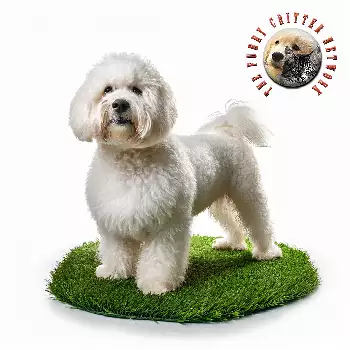
Bolo

Bolognese
📸 No Gallery Available

Furry Critter Network Etsy Shop

Quick Facts

🐕 Breed Group
Companion
📏 Size Category
Small
📐 Height
10-12 inches
⚖️ Weight
5.5-9 pounds
⏱️ Life Expectancy
12-14 years
🧥 Coat Type
Long, fluffy, non-shedding
🎨 Coat Colors
Pure white
😊 Temperament
Devoted, playful, calm, affectionate
🏃 Exercise Needs
Low to Moderate
🎓 Training Difficulty
Moderate
👶 Good with Children
Good with older children
🐾 Good with Other Pets
Good with proper socialization

Other Names & Breed Recognition

The Bolognese is affectionately called "Bolo" by enthusiasts and owners who appreciate this charming breed's endearing qualities. This nickname captures the breed's approachable and loving nature while providing a convenient shorthand for the longer formal name. The breed is also known by its Italian name "Bolognese" in reference to its city of origin, Bologna, Italy.

Historically, the breed has been referred to as the Bichon Bolognese, emphasizing its membership in the Bichon family of dogs. Some historical texts call them "Bolognese Toy Dogs" to highlight their small stature and companion dog status. In Italy, they are sometimes simply called "Bolos" in casual conversation among breed fanciers.

The Bolognese is recognized by several major kennel clubs worldwide, though it remains relatively rare compared to other companion breeds. The Fédération Cynologique Internationale (FCI) recognizes the breed in Group 9, Section 1, as part of the Bichon and related breeds category. The American Kennel Club admitted the Bolognese to its Foundation Stock Service in 1999 and later granted full recognition in the Non-Sporting Group.

The United Kennel Club also recognizes the Bolognese in its Companion Dog Group, acknowledging the breed's primary purpose as a devoted family companion. In the United Kingdom, The Kennel Club includes the breed in the Toy Group, reflecting British classification traditions. The Canadian Kennel Club similarly recognizes the Bolognese, helping maintain breed standards across North America.

Despite official recognition by major registries, the Bolognese remains a rare breed with limited breeding populations. This rarity has helped preserve the breed's authentic characteristics and devoted temperament. Dedicated breed clubs in various countries work to promote responsible breeding and educate the public about this historic Italian treasure.

Bolo Organizations & Standards

The Bolognese breed is supported by dedicated organizations that work to preserve its unique characteristics and promote responsible breeding practices. In the United States, the Bolognese Club of America serves as the primary breed club, providing education, breeder referrals, and promoting the breed's welfare. This organization works closely with the American Kennel Club to maintain breed standards and support responsible ownership.

Internationally, the breed is governed by the standards set forth by the Fédération Cynologique Internationale (FCI), which provides the foundational breed standard used by many countries. The FCI standard emphasizes the breed's square proportions, characteristic fluffy white coat, and gentle temperament. European breed clubs often reference the FCI standard as the authoritative description of ideal Bolognese characteristics.

Breed standards describe the Bolognese as a small, square-proportioned dog standing 10-12 inches tall and weighing between 5.5 and 9 pounds. The standard calls for a pure white coat that is long and fluffy but never curly, forming characteristic flocks rather than cords. The coat should cover the entire body without bare patches, creating the breed's signature cotton-ball appearance.

The head should be of medium length with a well-defined stop and dark, large, round eyes that convey an alert, intelligent expression. Ears are set high and long, hanging close to the skull and covered with long, flowing hair. The nose must be large and black, and the pigmentation of the eye rims, lips, and paw pads should also be black.

The body should be square, with the length from point of shoulder to point of buttock equal to the height at the withers. The tail is set as a continuation of the croup line and is carried curved over the back. The breed should move with a free, noble gait that demonstrates both elegance and purpose.

Temperament is a crucial aspect of the breed standard. The Bolognese should be serious yet devoted, intelligent, and willing to please. They should be neither shy nor aggressive but rather display calm confidence with their family while maintaining some reserve with strangers. The breed's primary purpose as a companion dog is reflected in standards that emphasize their affectionate, gentle nature and desire for human companionship. Breeders and judges use these standards to evaluate breeding stock and show dogs, ensuring the preservation of the breed's essential characteristics.

  • American Kennel Club (AKC): "Recognized - Non-Sporting Group"
  • United Kennel Club (UKC): "Recognized - Companion Dog Group"
  • Fédération Cynologique Internationale (FCI): "Recognized - Group 9, Section 1"
  • The Kennel Club (UK): "Recognized - Toy Group"
  • Canadian Kennel Club (CKC): "Recognized"

Bolo Physical Description

The Bolognese is a small, compact dog with a square body profile that immediately distinguishes it from its Bichon relatives. Standing just 10 to 12 inches at the shoulder and weighing between 5.5 and 9 pounds, this breed possesses an elegant yet sturdy build. Despite their delicate appearance, Bolos are surprisingly robust and well-proportioned, with substance appropriate to their size.

The breed's most distinctive feature is its luxurious, pure white coat that covers the entire body in fluffy, cottony texture. Unlike some related breeds, the Bolognese coat forms loose flocks rather than tight curls or cords, creating a soft, cloudlike appearance. The coat is long, reaching well past the dog's paws when fully grown, and requires regular maintenance to preserve its characteristic beauty. The hair on the face is shorter but still fluffy, framing the dog's expressive dark eyes.

The Bolognese head is of moderate length and width, neither too refined nor too heavy. The skull is slightly rounded with a well-defined stop leading to a straight, broad muzzle. The nose is large, black, and prominent, with well-opened nostrils. The eyes are particularly expressive—large, round, and dark with black eye rims that create an alert, intelligent expression. The breed's ears are set high on the skull, long and pendant, hanging close to the head and covered with flowing hair.

The body construction shows square proportions, meaning the length from point of shoulder to point of buttock equals the height at the withers. The topline is straight and level, with a well-developed chest that reaches to the elbows. The ribs are well-sprung, providing adequate room for the heart and lungs. The tail is set as a natural continuation of the croup line and is carried curved over the back in a graceful arch.

The Bolognese moves with a free, effortless gait that demonstrates both elegance and purpose. The breed should display good reach in the front and strong drive from the rear, with the topline remaining level during movement. The overall impression is one of a small but substantial dog, covered in a glorious white coat, moving with dignity and grace. This physical construction perfectly suits the breed's role as an indoor companion while maintaining the structural soundness needed for an active, healthy life.

Affection Level
The Bolo is exceptionally affectionate and forms intense bonds with their family members. They thrive on close physical contact and prefer to be near their owners throughout the day. This breed demonstrates devotion through constant companionship and gentle, loving behavior toward those they trust.
Good with Children
Bolos do well with respectful older children who understand how to handle small dogs gently. Their calm nature makes them patient companions, though their small size requires supervision with young children. They enjoy playing with kids who can engage them appropriately and appreciate their sensitive temperament.
Good with Other Dogs
This breed generally gets along well with other dogs when properly socialized from puppyhood. Bolos are non-aggressive and enjoy canine companionship, though they may be reserved with unfamiliar dogs initially. Their friendly disposition allows them to coexist peacefully in multi-dog households.
Good with Other Pets
Bolos typically adapt well to households with other pets, including cats, when introduced properly. Their gentle nature and lack of strong prey drive make them compatible with various companion animals. Early socialization helps ensure harmonious relationships with other household pets.
Playfulness
While not hyperactive, the Bolo enjoys regular play sessions and interactive games with their family. They display a charming, spirited side during playtime but maintain an overall calm demeanor. This breed appreciates mental stimulation through toys and activities that engage their intelligent mind.
Energy Level
Bolos possess moderate energy levels that make them adaptable to various living situations. They require daily walks and play but are equally content relaxing at home with their family. This balanced energy makes them suitable for both active and more sedentary owners.
Trainability
The Bolo is intelligent and capable of learning commands, though they can display some independence. Positive reinforcement methods work best with this sensitive breed. Patience and consistency are important, as they may develop small dog syndrome without proper training boundaries.
Intelligence
This breed demonstrates notable intelligence and problem-solving abilities. Bolos are quick learners who understand routines and can master various commands and tricks. Their clever nature sometimes manifests as selective listening, particularly if they sense inconsistency in training.
Tendency to Bark
Bolos are moderately alert and will bark to announce visitors or unusual sounds. They are not excessive barkers compared to many small breeds but will vocalize when they feel it necessary. Proper training can help manage barking tendencies and ensure they remain good apartment neighbors.
Amount of Shedding
The Bolo is considered a non-shedding breed, making them excellent for people with allergies. Their unique coat structure means they lose minimal hair, though they do require regular grooming to prevent matting. This low-shedding quality contributes to their popularity as companion dogs.
Grooming Needs
The Bolo's fluffy white coat requires regular brushing several times per week to prevent tangles and matting. Professional grooming every six to eight weeks helps maintain coat health and manageability. Daily attention to facial hair and tear stain prevention is also necessary to keep their face clean.
Prey Drive
This breed has minimal prey drive and was developed solely as a companion animal. Bolos show little interest in chasing small animals and are generally trustworthy around cats and other small pets. Their gentle temperament and lack of hunting instinct make them peaceful household members.

Bolo History & Development

The Bolognese breed traces its ancestry to ancient times, with origins deeply rooted in the Mediterranean region. Like other Bichon-type breeds, the Bolognese descends from small white dogs that existed in the region as early as the Roman era. Ancient texts from writers including Aristotle mentioned small white dogs called "canes melitenses," which are believed to be ancestors of modern Bichon breeds including the Bolognese.

The breed became particularly associated with the Italian city of Bologna during the Renaissance period, where it flourished under the patronage of wealthy nobles and aristocrats. Bologna's position as a center of culture and learning during the 11th and 12th centuries provided the perfect environment for the development of this refined companion breed. Italian nobility prized these small white dogs for their beauty, intelligence, and devoted temperament.

During the height of the Renaissance, the Bolognese became a favored gift among European aristocracy. The ruling families of Italy, particularly the powerful Medici and Gonzaga dynasties, bred and gifted these dogs to other noble houses across Europe. Cosimo de' Medici famously sent eight Bolognese dogs to Belgian noblemen in Brussels as diplomatic gifts, demonstrating the breed's value as symbols of wealth and refined taste.

The breed caught the attention of numerous European royals and aristocrats. Catherine the Great of Russia, King Umberto I of Italy, Madame de Pompadour of France, and Empress Maria Theresa of Austria all kept Bolognese dogs as cherished companions. The breed appeared in Renaissance paintings by masters including Titian and Gosse, often depicted lounging with their noble owners or adorning the laps of wealthy women. These artistic representations help document the breed's appearance and importance during this golden age.

As the power of the European aristocracy waned through the 18th and 19th centuries, the Bolognese breed declined dramatically. The social upheavals following the French Revolution and subsequent political changes across Europe led to a sharp decrease in breeding programs that had been maintained by noble families. By the early 20th century, the breed had become quite rare, surviving primarily in Italy through the efforts of dedicated fanciers.

The revival of the Bolognese began in earnest during the mid-20th century. Italian breeders, recognizing the historical significance and unique qualities of the breed, worked to rebuild breeding populations and establish formal breed standards. Gianfranco Giannelli, an Italian breeder, played a crucial role in the breed's revival during the 1980s, carefully documenting pedigrees and working to increase numbers while maintaining quality.

The Fédération Cynologique Internationale officially recognized the Bolognese in the 1950s, providing international legitimacy and helping to spread awareness beyond Italy. The breed gradually gained recognition in other countries, arriving in North America in the late 20th century. The American Kennel Club accepted the Bolognese into its Foundation Stock Service in 1999, acknowledging the breed's growing presence in the United States.

Despite increased recognition, the Bolognese remains relatively rare compared to other companion breeds. This rarity has helped preserve the breed's authentic characteristics and devoted temperament. Today's Bolognese continues to fulfill its historic role as a loving companion, bringing joy to families who appreciate this ancient breed's unique combination of beauty, intelligence, and unwavering devotion. Modern breed enthusiasts work to honor the breed's noble heritage while ensuring its health and vitality for future generations.

Bolo Temperament & Personality

The Bolognese is renowned for its devoted, affectionate temperament that has made it a treasured companion for centuries. This breed forms exceptionally strong bonds with its family members and thrives on close human companionship. Unlike some toy breeds that attach to a single person, the Bolo typically shows affection to all family members, though they may have subtle preferences. Their devotion manifests as a constant desire to be near their people, following them from room to room and seeking physical contact whenever possible.

The breed displays a calm, gentle demeanor that makes them well-suited to indoor living and quiet households. Bolos are not hyperactive or demanding but rather possess a serene presence combined with playful moments. They enjoy interactive games and mental stimulation but are equally content to relax on their owner's lap for hours. This balanced temperament makes them adaptable to various lifestyles, from active families to retirees seeking a devoted companion.

Intelligence is a hallmark of the Bolognese personality. These dogs are quick learners who understand routines and can master a variety of commands and tricks. Their cleverness sometimes manifests as selective listening, particularly if they sense inconsistency in training. The breed responds best to positive reinforcement methods that respect their sensitive nature. Harsh corrections can damage the trust between dog and owner, making patient, reward-based training essential.

Socialization is important for developing a well-adjusted Bolognese. While naturally reserved with strangers, properly socialized Bolos can be polite and friendly when meeting new people. They typically observe newcomers carefully before warming up, displaying the discernment valued by their Renaissance patrons. This reserved quality should not be confused with shyness or fearfulness—confident Bolos simply prefer to assess situations before fully engaging.

The breed's attachment to family can lead to separation anxiety if left alone frequently or for extended periods. Bolos genuinely suffer when separated from their people and may become destructive or vocalize their distress. This is not a breed for people who work long hours away from home unless arrangements can be made for companionship. They do best in households where someone is home most of the time or where they can accompany their owner on daily activities.

Despite their small size, Bolognese dogs possess dignity and self-assurance that prevents them from being yappy or nervous. They will alert their family to visitors or unusual sounds but are not excessive barkers when properly trained. Their alert nature makes them excellent watchdogs within the home, though their small size obviously limits their protective capabilities. The breed's primary defense is their voice and their ability to alert their owners to potential concerns.

With other pets, the Bolognese generally displays a peaceful, accepting attitude. They lack strong prey drive and can coexist happily with cats and other companion animals when introduced properly. In multi-dog households, Bolos typically get along well with other dogs regardless of size, though supervision is important with larger breeds due to the Bolognese's small stature. Their gentle, non-aggressive nature makes them poor candidates for homes seeking a dominant or territorial dog. The Bolognese personality reflects centuries of selective breeding for companionship above all else.

Bolo Family Life & Living Requirements

The Bolognese excels as a family companion and adapts beautifully to various living situations, provided their need for human companionship is met. These dogs thrive in apartments, condominiums, and houses equally well, as their exercise requirements are moderate and they don't need a yard to be happy. What they do require is close proximity to their family throughout the day, making them ideal for people who work from home, retirees, or families where someone is usually present.

With children, the Bolognese can be an excellent companion when the relationship is managed appropriately. The breed does best with older, respectful children who understand how to handle small dogs gently. Their calm nature and patient temperament make them tolerant of children's attention, though their small size necessitates supervision with young children who might accidentally injure them during rough play. Teaching children to respect the dog's space and recognize when the dog needs quiet time is essential for a harmonious relationship.

The breed's devotion to family makes them constant companions who prefer to be involved in daily activities. They will follow their owners from room to room, settle nearby during meals or work sessions, and happily accompany their people on errands when possible. This level of attachment is endearing to those who want a close canine companion but can be challenging for people who prefer more independent pets. The Bolo's happiness is intrinsically linked to being with their family.

Separation anxiety is a significant consideration for prospective Bolognese owners. These dogs were bred for centuries to be constant companions, and being left alone runs counter to their fundamental nature. Owners who work full-time away from home should carefully consider whether this breed is appropriate for their lifestyle. If alone time is unavoidable, gradual desensitization training, interactive toys, and potentially a second pet for companionship can help, though the Bolo will always prefer human company.

Daily routines with a Bolognese typically include two or three short walks combined with play sessions and cuddle time. These dogs don't require extensive exercise but do need mental stimulation and opportunities to explore their environment. Brief training sessions, puzzle toys, and new experiences help keep their intelligent minds engaged. Indoor play is usually sufficient for meeting their activity needs, making them excellent choices for people with limited mobility or those living in urban environments.

Grooming becomes part of the daily routine with a Bolognese. Their beautiful white coat requires brushing several times per week to prevent matting, with particular attention to areas prone to tangles like behind the ears, under the legs, and around the tail. Many owners establish a daily grooming routine that doubles as bonding time. Professional grooming every six to eight weeks helps maintain coat health and manageable length. Tear stain prevention and facial cleaning should be performed daily to keep the white coat pristine.

The breed's clean habits and minimal shedding make them well-suited to indoor living. Properly trained Bolos are reliable about housetraining, though their small bladders mean they need frequent opportunities to eliminate, especially as puppies. Many owners train their Bolos to use indoor potty solutions for convenience during inclement weather or late-night needs. The lack of shedding is particularly appreciated by allergy sufferers and those who prefer to maintain tidy homes. Creating a loving home with a Bolognese means accepting their need for constant companionship while providing the grooming, training, and gentle guidance that helps them become well-adjusted family members.

Bolo Training & Exercise Needs

Training a Bolognese requires understanding their intelligent yet sensitive nature. These dogs are capable learners who respond exceptionally well to positive reinforcement methods. Food rewards, praise, and play make excellent motivators for this breed, which genuinely wants to please their beloved family. The key to successful training lies in patience, consistency, and respect for the breed's occasionally independent streak.

Early socialization is crucial for developing a confident, well-adjusted Bolognese. Puppies should be exposed to various people, places, sounds, and situations during their critical socialization period between 3 and 14 weeks of age. Positive experiences during this window help prevent fearfulness and ensure the adult dog is comfortable in different environments. Puppy kindergarten classes provide excellent opportunities for socialization while beginning basic training in a structured environment.

Basic obedience training should start early and remain consistent throughout the dog's life. The Bolognese is capable of learning all standard commands including sit, stay, come, down, and heel. Short, frequent training sessions work better than long, repetitive ones, as the breed can lose interest if drills become boring. Keeping training fun and varied maintains their engagement and enthusiasm. The breed's intelligence means they can also learn tricks and participate in activities like rally obedience or therapy dog work.

Housetraining typically proceeds smoothly with Bolognese dogs when approached with patience and consistency. Their small bladders mean puppies need frequent trips outside, generally every two to three hours during the day. Establishing a regular schedule for meals, play, and elimination helps puppies understand expectations. Many owners successfully use both outdoor and indoor potty solutions, which can be particularly helpful during bad weather or for owners with limited mobility. Positive reinforcement when the puppy eliminates in the correct location speeds the learning process.

One training challenge specific to small breeds like the Bolognese is preventing "small dog syndrome," where the dog becomes overly assertive or demanding due to inconsistent boundaries. Despite their diminutive size, Bolos need clear rules and expectations. Allowing behaviors in a small dog that would be unacceptable in a large dog—such as jumping on people, demanding attention, or aggressive behavior over food or toys—can create an obnoxious, unhappy pet. Fair, consistent leadership helps the Bolognese feel secure and well-behaved.

Exercise requirements for the Bolognese are moderate and easily met through daily walks and indoor play. Two or three 15-20 minute walks per day typically provide sufficient physical activity, though individual dogs may appreciate more or less depending on their energy level and age. The breed enjoys exploring on leash, sniffing their environment, and encountering new sights and sounds. Off-leash exercise should only occur in securely fenced areas, as their small size makes them vulnerable to larger dogs and their occasional independent streak could lead them to ignore recall commands.

Indoor play serves as both exercise and mental stimulation for the Bolognese. These dogs enjoy interactive toys, gentle games of fetch in hallways, and puzzle toys that challenge their problem-solving abilities. Hide-and-seek games, where the owner hides treats or toys for the dog to find, engage their natural curiosity and provide mental enrichment. Training sessions themselves serve as mental exercise, tiring the brain as much as physical activity tires the body.

The Bolognese's moderate exercise needs make them suitable for various living situations and owner activity levels. They adapt well to apartment living and don't require a yard, though access to safe outdoor spaces is appreciated. Weather extremes affect this small breed—they may need protective clothing in cold weather and should have limited exposure to heat. Their exercise routine can be adjusted for weather conditions with indoor activities replacing outdoor walks when necessary. The breed's adaptability and moderate needs make them accessible to many types of owners, from active families to more sedentary seniors seeking a devoted, low-key companion.

Bolo Health Concerns

The Bolognese is generally a healthy, long-lived breed with an average lifespan of 12 to 14 years, though many individuals live well into their mid-teens with proper care. Like all purebred dogs, the breed has some health conditions that can occur, though responsible breeding practices and health testing help minimize these risks. Prospective owners should purchase puppies only from breeders who conduct appropriate health screenings on breeding stock.

Luxating patella, a condition where the kneecap slips out of place, occurs in small breeds including the Bolognese. This orthopedic issue ranges from mild cases that cause occasional lameness to severe cases requiring surgical correction. Maintaining a healthy weight and avoiding excessive jumping from heights can help protect the joints. Responsible breeders have their breeding dogs evaluated by veterinarians to screen for patella problems before breeding.

Progressive retinal atrophy (PRA) is an inherited eye disease that can affect Bolognese dogs. This condition causes gradual deterioration of the retina, eventually leading to blindness. Genetic testing is available to identify carriers of PRA, allowing breeders to make informed decisions that prevent producing affected puppies. Regular veterinary eye examinations can detect early signs of eye problems, allowing for management and preparation as the disease progresses.

Hip dysplasia, while less common in small breeds than large ones, can occasionally occur in the Bolognese. This genetic condition affects the hip joint's formation, potentially causing pain, lameness, and arthritis. Screening breeding dogs through hip radiographs and obtaining evaluation scores from organizations like the Orthopedic Foundation for Animals helps identify dogs that should not be bred.

Dental disease is a significant health concern in small breeds like the Bolognese. The small jaw often leads to crowding of teeth, creating spaces where plaque and tartar accumulate more easily. Without proper dental care, this can lead to periodontal disease, tooth loss, and systemic health problems as bacteria from infected gums enter the bloodstream. Regular veterinary dental care combined with daily brushing and dental chews helps maintain oral health throughout the dog's life.

Legg-Calvé-Perthes disease can affect small breeds including the Bolognese. This condition involves degeneration of the head of the femur bone, causing pain and lameness in affected legs. The disease typically appears in young dogs between four months and one year of age. Treatment usually involves surgical removal of the affected femoral head, after which most dogs recover well and return to normal activity.

Allergies, both environmental and food-related, can affect some Bolognese dogs. Symptoms may include itchy skin, ear infections, gastrointestinal upset, or respiratory issues. Identifying and managing allergies often requires working with a veterinarian to determine triggers and develop an appropriate treatment plan, which might include dietary changes, medications, or environmental modifications.

Regular veterinary care forms the foundation of keeping a Bolognese healthy throughout their life. Puppies should receive a series of vaccinations to protect against common canine diseases, with boosters administered according to veterinary recommendations. Annual or biannual wellness examinations allow veterinarians to detect potential health issues early when they are most treatable. Blood work screening becomes particularly important as dogs age, helping identify organ function changes before symptoms appear.

Weight management is crucial for the Bolognese's health and longevity. Obesity places extra stress on joints, organs, and overall body systems, potentially shortening lifespan and reducing quality of life. Feeding appropriate portions of high-quality food and ensuring regular exercise helps maintain ideal body condition. The dog's ribs should be easily felt under a thin layer of fat, and there should be a visible waist when viewed from above.

Parasite prevention protects the Bolognese from fleas, ticks, heartworms, and intestinal parasites. Monthly preventatives recommended by veterinarians provide comprehensive protection against these common threats. Regular fecal examinations check for intestinal parasites that preventatives might not cover. Keeping the dog away from wildlife and in clean environments reduces exposure to parasites.

Spaying or neutering is recommended for Bolognese dogs not involved in responsible breeding programs. These procedures prevent unwanted pregnancies, eliminate the risk of certain cancers, and can reduce some behavioral issues. The appropriate age for sterilization should be discussed with a veterinarian, considering the individual dog's health and development. With attentive care, proper nutrition, regular veterinary attention, and a loving home environment, the Bolognese can enjoy a long, healthy, happy life as a cherished family companion.

Common Health Issues

  • Regular veterinary eye examinations can detect early signs of eye problems, allowing for management and preparation as the disease progresses.
  • Hip dysplasia, while less common in small breeds than large ones, can occasionally occur in the Bolognese.
  • Dental disease is a significant health concern in small breeds like the Bolognese.
  • Allergies, both environmental and food-related, can affect some Bolognese dogs.
  • Identifying and managing allergies often requires working with a veterinarian to determine triggers and develop an appropriate treatment plan, which might include dietary changes, medications, or environmental modifications.
  • These procedures prevent unwanted pregnancies, eliminate the risk of certain cancers, and can reduce some behavioral issues.

Preventive Care & Health Monitoring

  • Prospective owners should purchase puppies only from breeders who conduct appropriate health screenings on breeding stock.
  • Regular veterinary eye examinations can detect early signs of eye problems, allowing for management and preparation as the disease progresses.
  • Screening breeding dogs through hip radiographs and obtaining evaluation scores from organizations like the Orthopedic Foundation for Animals helps identify dogs that should not be bred.
  • Without proper dental care, this can lead to periodontal disease, tooth loss, and systemic health problems as bacteria from infected gums enter the bloodstream.

Regular veterinary check-ups and preventive care are essential for maintaining your Bolo's health and longevity.

Bolo Grooming & Maintenance

The Bolognese's gorgeous white coat requires dedicated grooming to maintain its characteristic fluffy, clean appearance. This is not a low-maintenance breed when it comes to coat care, and prospective owners should honestly assess their willingness to commit to regular grooming before bringing a Bolo into their home. The reward for this effort is a stunning, non-shedding companion whose beauty reflects the care invested in their maintenance.

Brushing should occur at minimum three to four times per week, with daily brushing preferred to prevent matting and tangles. The coat should be misted with water or grooming spray before brushing to prevent breakage and static. A pin brush or slicker brush works well for the body coat, while a comb helps work through any tangles that develop. Pay special attention to friction areas including behind the ears, under the arms, around the collar area, and where the legs meet the body, as these spots mat most quickly.

Bathing the Bolognese should happen every three to four weeks to keep the white coat clean and fresh. Use a high-quality dog shampoo formulated for white coats to prevent yellowing. The coat should be thoroughly wet before applying shampoo, lathered well, and rinsed completely, as any remaining product can cause skin irritation or attract dirt. Many owners follow shampoo with a conditioning treatment to keep the coat soft and manageable. After bathing, the coat must be dried completely using a blow dryer on a low, cool setting while brushing to prevent matting.

Professional grooming every six to eight weeks helps maintain the coat's health and manageability. Professional groomers have the tools and expertise to thoroughly bathe, dry, and trim the Bolognese coat. Some owners prefer to keep the coat relatively short for easier maintenance, while others maintain full length for show or personal preference. Regular professional grooming ensures the coat stays in optimal condition and allows the groomer to check for any skin issues or other health concerns.

Facial care requires daily attention to prevent tear staining, a common issue in white-coated breeds. The area around the eyes should be gently cleaned daily with a soft, damp cloth or specialized tear stain remover. Some Bolos are prone to excessive tearing due to the shape of their eyes and tear ducts, which requires diligent management to prevent brown staining on the white facial hair. Keeping the hair around the eyes trimmed short helps reduce moisture accumulation and staining.

Nail care is essential for the Bolognese's comfort and health. Nails should be trimmed every two to three weeks or as needed to keep them short. Long nails can affect the dog's gait and cause discomfort or injury. Many Bolos are sensitive about having their feet handled, making regular, gentle handling from puppyhood important for easier nail maintenance throughout life. Using a quality nail clipper or grinder and taking care to avoid the quick ensures the process is as stress-free as possible.

Dental care deserves serious attention in small breeds like the Bolognese, which are prone to dental disease. Daily tooth brushing with dog-specific toothpaste is ideal for preventing plaque and tartar buildup. Start dental care early to accustom the dog to the process. Dental chews and toys designed to promote oral health can supplement brushing. Regular veterinary dental cleanings may be necessary as the dog ages to maintain optimal oral health and prevent painful dental conditions. The grooming routine for a Bolognese, while demanding, becomes a bonding opportunity when approached with patience and consistency.

Bolo Rescue Organizations

If you're looking to adopt a Bolo, consider contacting these breed-specific rescue organizations:

Petfinder

Petfinder is North America's largest online pet adoption platform, connecting potential adopters with thousands of shelters and rescue organizations across the United States and Canada. The platform features searchable listings of adoptable dogs including rare breeds like the Bolognese, with filters for location, age, size, and special needs. Petfinder provides resources for new pet parents including adoption guides, care information, and behavioral tips to ensure successful placements.

Visit Website
Adopt-a-Pet

Adopt-a-Pet is a leading nonprofit pet adoption website featuring over 17,000 shelter and rescue partners throughout North America. The platform offers comprehensive search tools allowing users to find specific breeds including the Bolognese, with detailed profiles of each available dog. The site provides email alerts when new pets matching saved searches become available, making it easier to find rare breeds. Adopt-a-Pet also offers extensive educational resources about pet care, training, and the adoption process.

Visit Website
Best Friends Animal Society

Best Friends Animal Society is a national animal welfare organization working to end the killing of dogs and cats in American shelters. They operate the largest no-kill sanctuary in the United States and partner with more than 5,000 animal welfare organizations nationwide. Best Friends facilitates adoptions through their sanctuary in Utah and their network partners across the country. They welcome all breeds including rare companion dogs like the Bolognese and provide comprehensive support services to ensure successful adoptions and lifelong placements.

Visit Website

"Don't Shop... Please Adopt" - There are many wonderful Bolos waiting for their forever homes.