
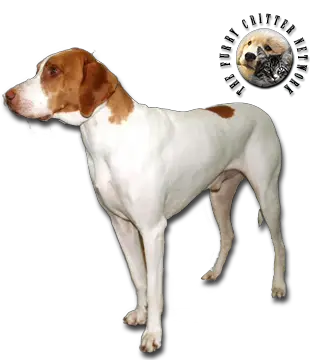

Ariege Pointer

Braque de l'Ariège
📸 No Gallery Available

Furry Critter Network Etsy Shop

Quick Facts

🐕 Breed Group
Sporting Group (Continental Pointer)
📏 Size Category
Large
📐 Height
23-26 inches
⚖️ Weight
55-66 pounds
⏱️ Life Expectancy
12-14 years
🧥 Coat Type
Short, dense, smooth
🎨 Coat Colors
White with orange or liver patches and mottling
😊 Temperament
Intelligent, loyal, energetic, independent
🏃 Exercise Needs
Very High
🎓 Training Difficulty
Moderate to High
👶 Good with Children
Good with supervision
🐾 Good with Other Pets
Moderate, strong prey drive

Other Names & Breed Recognition

The Braque de l'Ariège takes its name from the French word braque, which translates to pointer, and the Ariège département in southwestern France where the breed was developed. In English-speaking countries, this breed is most commonly known as the Ariege Pointer, though some breed enthusiasts and organizations prefer the French designation Braque de l'Ariège to maintain connection to the breed's heritage. Both names are considered correct and acceptable when referring to this rare French pointing breed.

Within France, the breed may also be called the Braque de Toulouse or Braque du Midi, names that reference other geographic areas in southwestern France where these dogs were popular among hunters. The Toulouse reference acknowledges the city where the School of Veterinary Medicine houses a life-sized sculpture of the ideal Braque de l'Ariège created by sculptor Henry Villard in 1905. This sculpture served as a visual standard when the breed's written standard was first established and remains an important piece of breed history.

The Ariege Pointer should not be confused with the Ariégeois, another dog breed from the same region that serves an entirely different hunting function. The Ariégeois is a running scent hound that pursues game, while the Braque de l'Ariège is a pointing breed that locates game birds and freezes in position to indicate their location to hunters. Despite sharing geographic origins and similar coloring, these breeds are distinct in type, function, and temperament. This confusion occasionally occurs among those unfamiliar with French hunting dog varieties, but knowledgeable breed enthusiasts recognize the significant differences between these two Ariège region breeds.

Internationally, the breed maintains its French name across most countries, with pronunciation adapted to local languages. The Fédération Cynologique Internationale classifies the Braque de l'Ariège as Group 7 Continental Pointing Dogs, Section 1.1 Braque Type. The United Kennel Club in the United States recognizes the breed under the name Braque de l'Ariege and places it within the Gun Dog Group. However, the breed remains extremely rare outside France and is not recognized by the American Kennel Club or the Kennel Club in the United Kingdom. This limited international recognition reflects the small breeding population concentrated primarily in southern France, where dedicated enthusiasts work to preserve this historic pointing breed's unique characteristics and working abilities.

Ariege Pointer Organizations & Standards

The Braque de l'Ariège has achieved recognition from several international kennel organizations, though the breed remains most established in its native France where dedicated breeders work to preserve its hunting heritage. The Société Centrale Canine, France's national kennel club, oversees the breed's registration and standards within the country. The breed standard was first written in 1905 during a dog show sponsored by the Société Canine du Sud-Ouest, marking an important milestone in establishing the Braque de l'Ariège as a distinct breed rather than simply a regional type of pointing dog.

The Fédération Cynologique Internationale provisionally recognized the Braque de l'Ariège in 1955, providing international legitimacy for this French pointing breed. The FCI classification places the breed within Group 7 as a Continental Pointing Dog, specifically in Section 1.1 Continental Pointing Dogs of Braque Type. The FCI breed standard emphasizes the breed's role as a versatile hunting dog capable of working in rough mountain terrain, describing the ideal Braque de l'Ariège as powerful, robust, and strong with prominent muscles and well-defined lines. The standard specifies that the white coat with orange or liver mottling and patches gives the breed an elegant, distinguished appearance that reflects its noble hunting heritage.

In the United States, the United Kennel Club recognized the Braque de l'Ariege in 2006, providing American breed enthusiasts with opportunities to register their dogs and participate in UKC-sanctioned events. The UKC breed standard closely follows FCI guidelines while adapting language for American audiences. Despite this recognition, the breed remains extremely rare in North America with only a handful of breeders and very limited numbers of registered dogs. Most Braque de l'Ariège in the United States have been imported directly from France by hunters or breed enthusiasts committed to establishing a small North American breeding population.

The American Kennel Club has not recognized the Braque de l'Ariège, and the breed is not currently part of the AKC's Foundation Stock Service, which serves as a pathway toward full recognition. The absence of AKC recognition reflects both the breed's rarity in the United States and the lack of a substantial breeding population or dedicated parent club working systematically toward AKC acceptance. Similarly, the Kennel Club in the United Kingdom and the Canadian Kennel Club have not recognized the breed, though individual dogs may be registered through alternative international registry systems.

Breed standards across recognized organizations emphasize several key characteristics that define the Braque de l'Ariège. The breed should demonstrate a powerful, athletic build without appearing heavy or cumbersome, reflecting its need to work tirelessly in challenging mountain terrain. The head should be proportionate with a strong muzzle, and the nose may be either brown or flesh-colored depending on coat color. Ears hang down pendulously, and the tail is traditionally docked in countries where this practice remains legal, though natural tails are acceptable where docking is prohibited. Movement should be fluid and efficient with good reach and drive, allowing the dog to cover ground effectively during long hunting days. Temperament standards consistently describe the Braque de l'Ariège as intelligent, loyal, and eager to work, with the independence necessary for field work balanced by trainability and desire to please handlers.

  • American Kennel Club (AKC): "Not recognized"
  • United Kennel Club (UKC): "Recognized in 2006 in the Gun Dog Group"
  • Fédération Cynologique Internationale (FCI): "Provisionally recognized in 1955, Group 7 (Pointing Dogs), Section 1.1 (Continental Pointing Dogs, Braque Type)"
  • The Kennel Club (UK): "Not recognized"
  • Canadian Kennel Club (CKC): "Not recognized"

Ariege Pointer Physical Description

The Ariege Pointer presents an impressive figure that conveys power, athleticism, and nobility in equal measure. These large pointing dogs typically stand between 23 and 26 inches at the shoulder, with males at the upper end of this range and females slightly smaller. Weight generally falls between 55 and 66 pounds, though the emphasis should always be on functional fitness rather than any specific number. The overall impression should be of a strong, muscular dog built for endurance work in challenging terrain, appearing neither too heavy nor too refined for its demanding hunting purpose.

The head of an Ariege Pointer demonstrates the breed's strength and nobility with a slightly domed skull that is broad between the ears. The stop is moderate, neither too pronounced nor completely absent, leading to a strong muzzle approximately equal in length to the skull. The nose is large with well-opened nostrils and may be either brown or flesh-colored depending on the individual dog's coat color, with darker pigmentation generally preferred. The lips are pendulous and full, covering the lower jaw in the manner characteristic of many pointing breeds, which helps protect the mouth during work in rough cover.

The eyes are oval-shaped and set well apart on the head, expressing intelligence and alertness appropriate for a working hunting dog. Eye color typically ranges from amber to dark brown depending on coat color, with darker shades generally preferred by breed standards. The expression should be gentle yet serious, reflecting the breed's focused working temperament. The ears are one of the breed's most distinctive features, hanging down against the cheeks and set at eye level. They should be long enough to reach at least to the nose leather when pulled forward and are relatively wide at their attachment point.

The Ariege Pointer's body demonstrates the athletic build necessary for sustained work in mountain terrain. The neck is moderately long and muscular without excessive dewlap, flowing smoothly into well-laid shoulders that allow for efficient movement. The chest is deep and well-developed, providing adequate lung capacity for endurance work, though not so broad as to interfere with agility. The back is straight and strong, leading to a slightly sloping croup. Traditionally, the tail is docked to approximately half its natural length in countries where this practice is legal, though increasing numbers of dogs retain their natural tails as docking bans spread across Europe.

The limbs of an Ariege Pointer are strong and straight with good bone substance that provides durability without appearing coarse or heavy. Leg length should be proportionate to body depth, with the dog appearing neither too short-legged nor overly long in leg. The feet are slightly oval in shape with well-arched toes and thick pads that protect against rough terrain. Some individuals may have dewclaws on the hind legs, though these are often removed shortly after birth when permitted by law.

Perhaps the most striking aspect of the Ariege Pointer is its distinctive coat pattern. The base color is white, overlaid with patches and mottling of orange or liver color. This mottling creates an effect called roaning, where individual colored hairs mix with white hairs to create an attractive speckled appearance across the body. Larger solid patches of color typically appear on the head and ears, while the body shows the characteristic mottled pattern. The coat itself is short and dense, lying flat against the body with a smooth texture that naturally resists water and protects against brush and brambles during hunts.

Affection Level
Ariege Pointers develop strong bonds with their families and show genuine affection toward those they know well, though they tend to be somewhat reserved compared to more demonstrative breeds. They express their love through loyalty, close proximity to family members, and eagerness to work alongside their people. This breed appreciates physical closeness but maintains an independent streak that makes them less clingy than some sporting breeds.
Good with Children
When properly socialized, Ariege Pointers can coexist peacefully with children in the family, though they lack the natural patience and tolerance that makes some breeds exceptional with youngsters. Their high energy and intensity in work mode may overwhelm small children, requiring supervision during interactions. They do best with older children who understand how to interact appropriately with energetic working dogs and can participate in activities together.
Good with Other Dogs
Ariege Pointers generally interact well with other dogs, particularly when raised together from puppyhood or introduced properly as adults. Their hunting heritage includes working cooperatively in the field, which translates to reasonable canine social skills. They can display dominance with same-sex dogs occasionally but usually settle into peaceful coexistence with proper management and socialization throughout their lives.
Good with Other Pets
The Ariege Pointer's powerful hunting instinct and prey drive make them challenging companions for small pets including cats, rabbits, and other small animals. While some individuals raised from puppyhood with household pets can learn to tolerate them, their pointing and retrieving instincts may trigger around fast-moving creatures. Careful management and supervision are essential if attempting to keep Ariege Pointers with other pets.
Playfulness
These dogs maintain an enthusiastic playful spirit particularly when engaging in activities that utilize their natural hunting abilities. Ariege Pointers enjoy interactive games involving retrieving, scent work, and exploration of novel environments. Their playfulness manifests most strongly during field work and training sessions rather than casual indoor play, reflecting their serious working dog heritage and focus.
Energy Level
Ariege Pointers possess exceptional stamina and energy levels developed through generations of working long hours in challenging mountain terrain. They require substantial daily exercise including extended periods of vigorous activity to remain physically and mentally satisfied. Without adequate outlets for their considerable energy, these dogs become frustrated, restless, and may develop problematic behaviors stemming from under-stimulation and boredom.
Trainability
These intelligent dogs learn quickly and respond well to consistent positive reinforcement training methods, though their independent nature means they work best with handlers who understand pointing breeds. Ariege Pointers were developed to work somewhat independently in the field, making decisions without constant direction, which requires trainers to balance teaching obedience with preserving the dog's confidence and initiative. They excel when training incorporates their natural hunting instincts.
Intelligence
Ariege Pointers demonstrate exceptional intelligence particularly in areas related to their hunting function, showing remarkable problem-solving abilities when tracking and locating game. They can read complex scent pictures, navigate difficult terrain, and make independent decisions about how to work game effectively. This intelligence requires owners to provide mental challenges alongside physical exercise, as understimulated Ariege Pointers quickly become bored and may find their own entertainment.
Tendency to Bark
Ariege Pointers are generally quiet dogs who vocalize primarily when they have reason to alert their handlers or communicate specific information. Unlike hound breeds, pointing dogs work silently in the field, and this characteristic carries over to their behavior as companions. They may bark to announce visitors or unusual occurrences but rarely engage in excessive nuisance barking when properly exercised and mentally stimulated.
Amount of Shedding
The Ariege Pointer's short dense coat sheds moderately throughout the year with heavier seasonal shedding in spring and fall as they transition between coat phases. Regular brushing helps manage loose hair and reduce the amount of fur on furniture and clothing. While not considered heavy shedders compared to double-coated breeds, owners should expect to find white and orange hairs requiring regular household cleaning.
Grooming Needs
Grooming requirements for Ariege Pointers are relatively minimal thanks to their short smooth coat that naturally resists dirt. Weekly brushing with a rubber curry brush removes dead hair and distributes skin oils, while occasional baths keep them clean and fresh. Their pendulous ears require regular checking and cleaning to prevent infections, representing the primary grooming concern. Routine nail trims and dental care complete their basic grooming needs.
Prey Drive
Ariege Pointers possess an intensely powerful prey drive bred specifically for locating and pointing game birds and other quarry across vast mountainous terrain. This instinct is deeply ingrained and manifests in their constant alertness to birds, small animals, and interesting scents during walks and outdoor time. Secure fencing is absolutely essential as these dogs will pursue interesting quarry without regard for boundaries or safety when their hunting instinct engages.

Ariege Pointer History & Development

The Braque de l'Ariège belongs to an ancient family of French pointing dogs whose origins stretch back centuries into European hunting history. While the specific breed we know today as the Ariege Pointer was formalized relatively recently, its ancestors served French nobility and hunters for generations before standardization efforts began. The word braque itself derives from old hunting terminology and has been used to describe pointing-type dogs in France since at least the Renaissance period, when hunting with firearms and pointing dogs became increasingly popular among the aristocracy.

Historians believe the foundational stock for the Braque de l'Ariège came from crosses between various old French Braque types and possibly Spanish and Italian pointing breeds brought across the Pyrenees mountains. Some scholars suggest influence from the Perdiguero de Burgos from Spain and the Bracco Italiano from Italy, both ancient pointing breeds that could have been crossed with native French dogs in the border regions. These crosses would have occurred over many generations as hunters in the Ariège région worked to develop dogs particularly suited to the challenging mountainous terrain and climate of southwestern France.

By the nineteenth century, distinct populations of Braque-type dogs existed in various regions of France, each adapted to local hunting conditions and game. In the Ariège département and surrounding areas, hunters preferred a larger, more powerful pointing dog capable of sustained work in steep mountain terrain. These dogs needed exceptional stamina to hunt all day in elevation, resistance to temperature extremes common in mountain environments, and the physical power to navigate rocky slopes and dense vegetation. The developing Ariege Pointer combined these practical working characteristics with an excellent nose and natural pointing instinct.

According to breed historian Bernard Senac-Lagrange, who compiled the most comprehensive early history of the Braque de l'Ariège in 1940, the breed resulted from crossing old French Braques with Braques of Meridional stock, which were lighter orange and white dogs from southern France. This crossing aimed to add lightness and activity to the heavier original Braques while maintaining their pointing ability and endurance. However, other historians, particularly Jean Castaing, dispute this account and argue that the Ariege Pointer actually came from crosses between old-style Braque Français and Braque Saint Germain dogs. Regardless of the exact combination, experts agree that large white and orange pointing dogs were being bred consistently in the Ariège region by the mid-1800s.

On June 9, 1905, at a dog show sponsored by the Société Canine du Sud-Ouest, a committee of dog experts gathered to write the first official breed standard for the Braque de l'Ariège. This marked the transition from a regional type to an officially recognized breed with documented characteristics and requirements. The committee sought input from sculptor Henry Villard, who had created a life-sized sculpture depicting the ideal Braque de l'Ariège. This sculpture, which still exists at the School of Veterinary Medicine in Toulouse, served as a three-dimensional reference for judges and breeders trying to understand the desired breed type.

The early twentieth century saw steadily rising popularity for the Braque de l'Ariège within France, but this growth period also brought controversy that nearly destroyed the breed. Some breeders, attempting to compete with increasingly popular British gun dog breeds like the English Pointer, began introducing large amounts of English Pointer blood into their Ariege Pointer lines. These crosses aimed to increase speed and range but fundamentally altered the breed's character and working style. Other breeders began selecting for all-white coats, leading to cases of albinism and associated health problems.

These breeding practices proved disastrous for breed quality. Dogs with heavy English Pointer influence lost the moderate pace and close-working style that French hunters valued, instead developing the extended range and faster pace characteristic of English breeds. By the 1930s, it became clear that these modifications had gone too far, and the breed was losing its essential characteristics. In 1937, Bernard Senac-Lagrange could find only a handful of dogs that met the original breed standard and declared that the Braque de l'Ariège was nearly extinct as a pure breed.

Registrations with the Société Centrale Canine declined dramatically throughout the 1940s and 1950s until they stopped completely. By 1960, canine historian Jean Castaing wrote that the breed had completely disappeared, a victim of excessive inbreeding for secondary traits and abusive levels of foreign blood that altered essential characteristics. For nearly three decades, the Braque de l'Ariège existed in a sort of limbo with no official registrations and only a few hunters in the Ariège region continuing to maintain dogs of this type for their own use.

The breed's salvation came in 1989 when a team of dedicated breeders, noticing that no Braque de l'Ariège had been registered in the French Livre des Origines since 1964, decided to devote themselves to the breed's survival. Led by Alain Deteix, this group began searching for any remaining pure Braque de l'Ariège dogs or those close enough to breed standards to serve as foundation stock for revival efforts. They established the Club du Braque de l'Ariège in 1990 with the mission of preserving and promoting this historic French breed.

The revival program focused on finding dogs that retained the original breed characteristics without English Pointer influence, emphasizing working ability alongside conformation to breed standards. Breeders prioritized dogs that demonstrated proper pointing instinct, appropriate pace and range for French hunting, sound temperament, and correct physical type. This careful rebuilding took years but ultimately succeeded in bringing the Braque de l'Ariège back from the brink of extinction. The FCI granted provisional recognition in 1955, though the breed's revival really began in earnest three decades later.

Today, the Braque de l'Ariège remains rare even within France, with annual registrations numbering in the dozens rather than hundreds or thousands. The breed exists primarily as a working gun dog in southwestern France, where hunters appreciate its endurance, close-working style, and adaptability to rough mountain terrain. Small numbers have been exported to other countries by enthusiasts committed to preserving this piece of French hunting dog heritage, but the breed remains virtually unknown outside specialist hunting and dog sport circles. The future of the Braque de l'Ariège depends on maintaining its working abilities while finding enough homes for puppies to sustain a healthy breeding population without the breed becoming too rare to avoid genetic problems.

Ariege Pointer Temperament & Personality

The Ariege Pointer possesses a temperament shaped by centuries of selective breeding for practical hunting work in challenging conditions. These dogs demonstrate a serious focus and intensity when engaged in field work that sets them apart from more playful or casual sporting breeds. Within the home environment, however, properly exercised Ariege Pointers can be calm and relaxed companions who enjoy being near their families. The key to living successfully with this breed lies in understanding that their personality has two distinct modes: working and resting, with very little middle ground.

Ariege Pointers form strong loyal bonds with their handlers and families, showing genuine affection toward those they know well. However, they tend to be somewhat reserved in their expressions of affection compared to more demonstrative breeds, maintaining a dignified independence that reflects their working heritage. These dogs were developed to work somewhat autonomously in the field, making decisions about how to locate and point game without constant handler direction. This independence carries over to their behavior as companions, making them less needy or clingy than breeds developed for constant human companionship.

With strangers, Ariege Pointers typically display polite reserve rather than immediate friendliness or suspicion. They assess new people carefully before deciding whether to accept them as friends, a trait that makes them reasonable watchdogs who will alert to unusual activity without being aggressive toward visitors. Extensive early socialization helps ensure that this natural reserve does not develop into shyness or fearfulness, both of which are considered serious faults in pointing breeds that must work confidently in various environments.

Children and Ariege Pointers can coexist successfully in families, though this breed lacks the natural tolerance and patience that makes some sporting breeds exceptional with youngsters. Their high energy and intense focus during activity can overwhelm small children who may not understand when to give the dog space. Ariege Pointers do best with older children who can participate in appropriate activities like walks, training sessions, and games that engage the dog's hunting instincts. Parents must supervise all interactions and teach both children and dogs appropriate boundaries.

The breed's intelligence manifests primarily through exceptional problem-solving abilities related to hunting. Ariege Pointers demonstrate remarkable capacity for reading terrain, understanding wind direction and its effects on scent distribution, locating game birds in challenging cover, and making independent decisions about how to work effectively. This intelligence requires owners to provide substantial mental stimulation alongside physical exercise, as bored Ariege Pointers quickly find ways to entertain themselves that rarely align with owner preferences.

Ariege Pointers typically interact well with other dogs when properly socialized, though they may display some dominance with same-sex dogs particularly during adolescence and early adulthood. Their hunting heritage includes working cooperatively with other pointing dogs in the field, which translates to generally good canine social skills. However, the strong prey drive that makes them excellent bird dogs creates challenges with smaller pets including cats, rabbits, and similar animals. While individual Ariege Pointers raised from puppyhood with household cats may learn to accept them, owners must always supervise interactions and never fully trust the dog's prey drive not to trigger.

Ariege Pointer Family Life & Living Requirements

Successfully integrating an Ariege Pointer into family life requires honest assessment of whether a household can meet this breed's substantial exercise and mental stimulation needs. These are emphatically not dogs suited to apartment living or sedentary families who want a casual companion. The ideal home for an Ariege Pointer includes access to safe spaces where the dog can run and explore, whether that means a large securely fenced yard, nearby fields or trails, or participation in hunting or field trial activities that provide appropriate outlets for the breed's working drives.

Secure fencing is absolutely essential for Ariege Pointer owners. These dogs possess powerful prey drives combined with exceptional athleticism and problem-solving abilities that make them expert escape artists when sufficiently motivated. Fencing should be at least six feet tall without gaps at ground level and checked regularly for any weak points. Invisible electronic fencing is inappropriate for this breed, as their high prey drive means they will run through shock boundaries without hesitation when pursuing birds or other quarry. Once an Ariege Pointer is on the trail of interesting quarry, the dog may travel miles without regard for roads, property lines, or other hazards.

Despite their intense working nature, Ariege Pointers should be considered family members rather than kennel dogs or outdoor pets. While they can tolerate living primarily outdoors better than many breeds if provided with appropriate shelter and social interaction, they develop much better when integrated into family life. Dogs isolated from their families often develop behavioral problems including excessive barking, destructiveness, and difficulty bonding appropriately with humans. The Ariege Pointer needs regular interaction with its people to remain emotionally healthy and well-adjusted.

This breed adapts reasonably well to households with older children who understand how to interact appropriately with energetic working dogs. Ariege Pointers appreciate children who can participate in activities like walks, training sessions, and outdoor adventures that engage the dog's natural abilities. However, their intensity and high energy make them less suitable for families with very young children who may be overwhelmed or accidentally knocked down during the dog's enthusiastic movements. Parents must supervise all interactions and teach children to respect the dog's space, particularly during rest times.

Multi-dog households can work well for Ariege Pointers when dogs are introduced appropriately and household dynamics are managed carefully. Many pointing breeds appreciate canine companionship, and having another dog can provide play and interaction opportunities between exercise sessions. However, owners should be aware that same-sex aggression can occur, particularly with intact males. Households considering adding an Ariege Pointer to existing pets should research compatibility thoroughly and consult with experienced breed mentors.

Potential owners must consider the substantial time commitment required to properly care for an Ariege Pointer. These dogs need a minimum of one to two hours of vigorous daily exercise, plus training time, grooming, and general care. Weekend warriors who provide intense activity only on Saturdays and Sundays will find themselves with a frustrated, difficult dog during the week. Ideal owners either hunt regularly with their dogs, participate in field trials or hunt tests, or enjoy daily outdoor activities like hiking, running, or biking where the dog can accompany them. Prospective owners unable to provide this level of activity should choose a different breed more suited to their lifestyle.

Ariege Pointer Training & Exercise Needs

Training an Ariege Pointer requires understanding the breed's heritage as an independent working gun dog bred to locate and point game birds across vast mountain terrain. These intelligent dogs learn quickly and respond well to positive reinforcement training methods, but they think independently and may question commands that seem pointless from their perspective. Successful training balances teaching obedience with preserving the dog's confidence and initiative necessary for effective field work. Harsh corrections or punishment-based training methods damage the trust between dog and handler and may cause the sensitive Ariege Pointer to shut down or become anxious.

Early socialization forms the critical foundation for raising a well-adjusted Ariege Pointer capable of functioning appropriately in various situations. Puppies should be exposed systematically to different people, places, animals, sounds, and experiences during their crucial socialization window between eight and sixteen weeks of age. This exposure helps ensure the dog develops into a confident adult who can handle novel situations without excessive fear or aggression. Continued socialization throughout adolescence and into adulthood maintains and reinforces these positive associations.

Basic obedience training should begin immediately when bringing home an Ariege Pointer puppy. Teaching fundamental commands like sit, down, stay, come, and loose-leash walking provides essential control and safety while strengthening the bond between dog and owner. However, owners must maintain realistic expectations about reliability, particularly with recall commands. Even well-trained Ariege Pointers have powerful pointing instincts that may override obedience when they scent game birds, making off-leash exercise in unfenced areas risky regardless of training level.

For owners interested in utilizing their Ariege Pointer's natural abilities, professional training in pointing dog work can be incredibly rewarding for both dog and handler. These dogs possess innate instincts to locate game birds by scent and freeze in a characteristic point to indicate the bird's location. Training refines these natural instincts, teaching the dog to work cooperatively with the handler, hold point reliably, and retrieve shot birds gently to hand. Many Ariege Pointers excel in hunt tests or field trials even when their owners do not hunt, providing structured outlets for their working drives.

Alternative activities that engage the Ariege Pointer's natural abilities include nose work, tracking, barn hunt, and similar scent-based sports. These activities tap into the breed's exceptional olfactory abilities while providing mental stimulation and physical exercise in structured formats. Many Ariege Pointers also enjoy learning tricks, rally obedience, or other training games that challenge their minds and strengthen bonds with their handlers. The key is keeping training sessions engaging and rewarding rather than repetitive or boring.

Exercise requirements for Ariege Pointers are substantial and absolutely non-negotiable for anyone considering this breed. These athletic dogs need a minimum of one to two hours of vigorous daily activity to maintain physical fitness and mental well-being. Long sedate walks around the neighborhood rarely provide sufficient exercise for this breed; they need opportunities to run, explore, and engage in activities that challenge both body and mind. Hiking in areas where dogs are permitted off-leash under voice control, running in securely fenced fields, and participating in pointing dog training or trials all help meet the Ariege Pointer's exercise needs.

Swimming provides excellent low-impact exercise for Ariege Pointers, particularly during hot weather when running may cause overheating. Most individuals enjoy water work naturally and can be taught to retrieve floating objects, combining exercise with training. Bicycle attachments that allow dogs to run safely alongside bikes offer another exercise option once dogs are fully mature and properly conditioned. However, young dogs should not engage in sustained running until their growth plates close, typically around twelve to eighteen months of age.

Mental stimulation proves equally important as physical exercise for maintaining a well-balanced Ariege Pointer. Puzzle toys, scent games, training sessions introducing new skills, and novel experiences all help keep these intelligent dogs engaged and prevent boredom. An Ariege Pointer receiving adequate mental and physical stimulation is generally calmer in the home, less likely to develop destructive behaviors, and more pleasant to live with overall. The substantial daily time investment required represents one of the greatest challenges for modern owners considering this working breed.

Ariege Pointer Health Concerns

Ariege Pointers are generally healthy, robust dogs when bred responsibly, with a typical lifespan of twelve to fourteen years. As a relatively rare breed maintained primarily as a working population, the Ariege Pointer has avoided many health problems that plague breeds subjected to extreme selection for appearance or those with severely restricted gene pools. However, like all breeds, they can be affected by certain conditions that potential owners should understand to provide appropriate preventive care and early intervention when problems arise.

Hip dysplasia can occur in Ariege Pointers as it can in most medium to large dog breeds. This developmental orthopedic condition involves improper formation of the hip joint, potentially leading to arthritis, pain, and mobility problems as the dog ages. Responsible breeders screen their breeding stock through radiographic evaluation using procedures established by organizations like the Orthopedic Foundation for Animals, breeding only dogs with good or excellent hip scores. Maintaining appropriate body weight throughout the dog's life helps minimize stress on joints and reduces the severity of hip dysplasia symptoms in affected individuals.

Ear infections represent one of the more common health concerns for Ariege Pointers due to their pendulous ears that hang close to the head. The ear flaps prevent adequate air circulation to the ear canal, creating a warm, moist environment where bacteria and yeast can proliferate. Regular ear checks and cleaning help prevent most infections, but owners must remain vigilant for signs of problems including head shaking, ear scratching, redness, swelling, discharge, or unusual odor. Prompt veterinary treatment of ear infections prevents them from becoming chronic or causing permanent damage to hearing.

Ectropion and entropion, eyelid conformational abnormalities that affect many sporting and hound breeds, can occasionally occur in Ariege Pointers. Ectropion involves the eyelid rolling outward away from the eye surface, exposing the inner eyelid tissue and potentially causing chronic irritation. Entropion represents the opposite condition where the eyelid rolls inward toward the eye, causing eyelashes and hair to rub against the cornea. Both conditions cause discomfort, excessive tearing, and increased risk of eye infections. Severe cases may require surgical correction to prevent permanent eye damage and improve the dog's quality of life.

Bloat, medically known as gastric dilatation-volvulus, poses a potentially life-threatening risk to Ariege Pointers as it does to many deep-chested breeds. During a bloat episode, the stomach rapidly fills with gas and may twist on itself, cutting off blood supply and preventing gas release. Without immediate emergency veterinary intervention including surgery, bloat is quickly fatal. Risk factors include eating large meals rapidly, vigorous exercise immediately before or after eating, stress during meals, and genetic predisposition. Feeding multiple smaller meals daily, using slow-feeder bowls, and avoiding exercise for at least an hour before and after meals helps reduce bloat risk.

Skin allergies affect some Ariege Pointers, manifesting as itching, redness, hot spots, recurrent ear infections, or excessive licking and chewing at paws and other body areas. Allergies can be environmental, food-related, or caused by parasites like fleas. Working with a veterinarian to identify the underlying cause through elimination diets, allergy testing, or other diagnostic procedures allows for targeted treatment through dietary changes, medications, immunotherapy, or environmental modifications. Regular parasite prevention protects against flea allergy dermatitis, one of the most common causes of allergic skin disease.

Regular veterinary care forms the cornerstone of maintaining an Ariege Pointer's health throughout life. Annual or bi-annual wellness examinations allow veterinarians to detect potential problems early when they are most treatable. Puppies require a series of vaccinations to protect against infectious diseases including distemper, parvovirus, hepatitis, leptospirosis, and rabies, followed by regular boosters throughout adulthood according to veterinary recommendations and the dog's individual risk factors. Working or hunting dogs may require additional vaccines against diseases like Lyme disease or kennel cough.

Parasite prevention protects Ariege Pointers from a variety of internal and external parasites that can cause illness or transmit disease. Monthly heartworm preventives protect against this potentially fatal parasite transmitted by mosquitoes. Flea and tick prevention products guard against the discomfort and disease transmission associated with these external parasites. Routine deworming controls intestinal parasites that can affect dogs who spend substantial time outdoors or in areas with wildlife. Veterinarians can recommend appropriate preventive protocols based on local parasite prevalence and the dog's lifestyle and risk factors.

Routine health screening becomes increasingly important as Ariege Pointers reach middle age and enter their senior years. Annual blood work can identify changes in organ function before clinical signs appear, allowing for early intervention through dietary modifications, medications, or other treatments. Monitoring for age-related changes in mobility, vision, hearing, and cognitive function helps owners provide appropriate care adjustments as their dogs age. Maintaining a strong relationship with a trusted veterinarian who understands sporting breeds ensures your Ariege Pointer receives the best possible care throughout its life.

Common Health Issues

  • Hip dysplasia can occur in Ariege Pointers as it can in most medium to large dog breeds.
  • Maintaining appropriate body weight throughout the dog's life helps minimize stress on joints and reduces the severity of hip dysplasia symptoms in affected individuals.
  • Skin allergies affect some Ariege Pointers, manifesting as itching, redness, hot spots, recurrent ear infections, or excessive licking and chewing at paws and other body areas.
  • Allergies can be environmental, food-related, or caused by parasites like fleas.

Preventive Care & Health Monitoring

  • However, like all breeds, they can be affected by certain conditions that potential owners should understand to provide appropriate preventive care and early intervention when problems arise.
  • Risk factors include eating large meals rapidly, vigorous exercise immediately before or after eating, stress during meals, and genetic predisposition.
  • Feeding multiple smaller meals daily, using slow-feeder bowls, and avoiding exercise for at least an hour before and after meals helps reduce bloat risk.
  • Regular parasite prevention protects against flea allergy dermatitis, one of the most common causes of allergic skin disease.

Regular veterinary check-ups and preventive care are essential for maintaining your Ariege Pointer's health and longevity.

Ariege Pointer Grooming & Maintenance

Grooming an Ariege Pointer is relatively straightforward compared to many breeds, thanks to their short, smooth coat that requires minimal maintenance. Weekly brushing with a rubber curry brush or natural bristle brush removes dead hair, distributes skin oils throughout the coat, and provides opportunities to check for any skin issues, cuts, ticks, or other problems requiring attention. These brief grooming sessions also help strengthen the bond between dog and owner through positive physical contact and handling.

Bathing requirements for Ariege Pointers are modest under normal circumstances. The breed's short coat naturally repels light dirt, and most dogs need bathing only when they have gotten particularly dirty or smelly during outdoor activities. Excessive bathing strips away protective natural oils that keep skin and coat healthy, so owners should bathe only when necessary using a mild dog shampoo appropriate for the breed's coat type. Dogs who hunt regularly or work in rough cover may require more frequent bathing than those living primarily as companions.

The Ariege Pointer's pendulous ears create an environment that can harbor moisture and debris if not properly maintained, making ear care an important aspect of routine grooming. Ears should be checked weekly and cleaned as needed with veterinarian-approved ear cleaning solution applied to cotton balls. After swimming, bathing, or any time the ears get wet, they should be dried thoroughly to prevent moisture accumulation that encourages bacterial or yeast infections. Signs of ear problems include redness, swelling, discharge, unusual odor, head shaking, or excessive ear scratching, all warranting veterinary attention.

Nail care represents another essential grooming task that affects the dog's comfort and mobility. Ariege Pointer nails should be trimmed every three to four weeks to prevent them from growing too long. Overgrown nails can split painfully, affect gait, and lead to foot and leg problems over time. Dogs who exercise regularly on pavement experience some natural nail wear but usually still require routine trimming. Using nail clippers or nail grinders, owners should remove just the curved tip of each nail, being careful to avoid the quick which contains blood vessels and nerves.

Dental care, though often overlooked, significantly impacts the Ariege Pointer's overall health and longevity. Teeth should ideally be brushed several times weekly using dog-specific toothpaste to prevent tartar buildup, gum disease, and tooth decay. Many dogs resist tooth brushing initially, but patient introduction using positive reinforcement helps them accept this important health practice. Dental treats and toys provide supplemental cleaning between brushings but should not replace actual tooth brushing. Professional dental cleanings by a veterinarian may be necessary periodically despite regular home care, particularly as dogs age and tartar accumulation increases.

Ariege Pointer Rescue Organizations

If you're looking to adopt a Ariege Pointer, consider contacting these breed-specific rescue organizations:

Pointing Breed Rescue Alliance

The Pointing Breed Rescue Alliance is a specialized network dedicated to rescuing and rehoming pointing dog breeds including rare Continental breeds like the Braque de l'Ariège. This organization works closely with breed clubs, hunters, and trainers to identify dogs in need and match them with appropriate homes that understand the unique needs of working gun dogs. They provide comprehensive evaluation, rehabilitation, and placement services ensuring each dog finds a home suited to its energy level and working instincts.

Visit Website
Versatile Hunting Dog Rescue

Versatile Hunting Dog Rescue focuses specifically on Continental pointing breeds and other versatile gun dogs, providing expert knowledge about these working breeds' unique characteristics and requirements. Their volunteer network includes experienced hunters and trainers who understand how to assess and rehabilitate pointing dogs transitioning from working to companion situations. They offer extensive support to adopters including training guidance, exercise recommendations, and connections to local hunting clubs and activities where these dogs can utilize their natural abilities.

Visit Website
National Gun Dog Rescue Network

The National Gun Dog Rescue Network operates across the United States providing emergency intake, foster care, medical treatment, and adoption services for gun dogs of all pointing, flushing, and retrieving breeds. Their foster network includes homes experienced with high-energy sporting breeds who can provide appropriate exercise and mental stimulation during rehabilitation. They conduct thorough screening of potential adopters to ensure successful permanent placements that match each dog's energy level, training needs, and temperament with appropriate active homes.

Visit Website

"Don't Shop... Please Adopt" - There are many wonderful Ariege Pointers waiting for their forever homes.