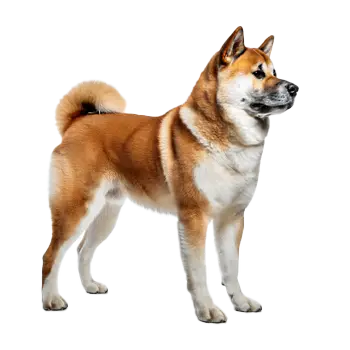
Akita Inu

Akita
Gallery coming soon

Furry Critter Network Etsy Shop

Quick Facts

🐕 Breed Group
Working
📏 Size Category
Large
📏 Height
24-28 inches
⚖️ Weight
70-130 pounds
⏱️ Life Expectancy
10-14 years
🧥 Coat Type
Double coat
🎨 Coat Colors
White, Brindle, Red Fawn, Sesame, Pinto
😀 Temperament
Loyal, dignified, courageous
🏃 Exercise Needs
Moderate to High
🎓 Training Difficulty
Moderate
👶 Good with Children
Good with older children
🐾 Good with Other Pets
May be challenging with same-sex dogs

Other Names & Breed Recognition

The Akita Inu carries a rich heritage of names and designations that reflect its distinguished history and cultural significance in Japan. The name Akita Inu directly translates to Akita Dog in Japanese, with Inu meaning dog and Akita referring to the mountainous prefecture in northern Japan where the breed originated. Before receiving its current official designation in 1931, these noble dogs were known as Odate dogs, named after the principal city in the Akita prefecture where they were most commonly found and bred by local samurai and wealthy landowners.

Throughout history, the Akita Inu has accumulated several other names that speak to its impressive qualities and purposes. The breed was sometimes called Matagi Inu, which translates to hunting dog, reflecting its original role as a formidable hunter of large game including wild boar, deer, and the fearsome Japanese black bear. In some historical contexts, they were referred to as Shishi Inu, meaning large dog, distinguishing them from smaller Japanese breeds and emphasizing their imposing physical presence and strength.

The international recognition of the Akita Inu has been complicated by the breed split that occurred following World War II, resulting in two distinct varieties recognized by different kennel clubs worldwide. The Federation Cynologique Internationale, which governs breed standards for eighty-four member countries, officially separated the American Akita from the Japanese Akita Inu in 1999. Initially, the FCI designated the American type as the Great Japanese Dog before renaming it the American Akita in January 2006, while maintaining the Japanese type under the traditional Akita Inu designation.

The American Kennel Club has followed suit in recognizing this distinction, now considering American and Japanese Akitas as two separate breeds as of 2020. This decision reflected the significant divergence in type, temperament, and appearance that had developed since American servicemen first brought Akitas to the United States following World War II. The Japanese Kennel Club, United Kennel Club, The Kennel Club of the United Kingdom, the Australian National Kennel Council, and the New Zealand Kennel Club all maintain this separation between the two varieties.

In Japan, the Akita Inu holds the distinguished honor of being designated as a Tennen Kinenbutsu, or Natural Monument, a status bestowed upon the breed in 1931 by the Japanese government. This recognition places the Akita Inu among seven native Japanese dog breeds that receive special cultural protection and preservation efforts. The breed is deeply woven into Japanese culture, serving as a symbol of good health, happiness, and longevity, with small Akita figurines traditionally given to families when children are born or when loved ones fall ill.

Akita Inu Organizations & Standards

The preservation and promotion of the Akita Inu has been shepherded by numerous breed organizations throughout history, each playing a vital role in maintaining the integrity and health of this treasured Japanese breed. The most significant organization in the breed's native country is the Akita Inu Hozonkai, commonly abbreviated as AKIHO, which was founded in 1927 in the Akita Prefecture specifically to preserve and protect the original Akita as a Japanese natural treasure. This organization established strict breeding guidelines and registration requirements that have shaped the modern Japanese Akita Inu standard.

AKIHO maintains rigorous breed standards emphasizing the preservation of authentic Japanese characteristics, including the traditional coat colors of red, white, and brindle, along with the signature triangular erect ears, curled tail, and balanced proportions that distinguish the Japanese Akita Inu from its American counterpart. The organization operates branches throughout Japan and has established overseas clubs in North America, Europe, and Russia to promote consistent breeding practices internationally.

The Akita Club of America was founded in 1956, serving as the parent club for the breed in the United States and working closely with the American Kennel Club to establish and maintain breed standards for American audiences. The AKC first admitted Akitas to registration in their Stud Book in October 1972, with regular show classification in the Working Group beginning in April 1973. The club has been instrumental in promoting responsible breeding practices, health testing protocols, and educational resources for Akita owners and breeders throughout North America.

In recognition of the breed's historical importance, the Akita Dog Museum was constructed in 1967 to commemorate the fiftieth anniversary of AKIHO's founding. Located in Odate City within the Akita Prefecture, this museum houses extensive collections of historical documents, photographs, and artifacts related to the breed's development and cultural significance. The museum serves as both an educational resource and a pilgrimage destination for Akita enthusiasts from around the world.

The Federation Cynologique Internationale accepted the Akita into their registry in 1998, establishing international breed standards that emphasize the Japanese type characteristics. The FCI standard describes the ideal Akita Inu as a large, well-balanced dog with heavy bone structure, exhibiting dignity, good nature, alertness, and courage. Their standard specifically addresses the breed's noble appearance, with particular attention to head shape, eye expression, ear placement, and overall structure.

The United Kennel Club provides another avenue for Akita registration and competition, maintaining their own breed standard that acknowledges the breed's working heritage while appreciating its companion qualities. The Kennel Club of the United Kingdom similarly recognizes the Akita, with registration numbers reflecting growing interest in the breed among British dog enthusiasts who appreciate the combination of loyalty, dignity, and protective instincts.

Breed-specific health testing protocols have been established through collaborations between parent clubs and veterinary organizations such as the Orthopedic Foundation for Animals and the Canine Eye Registration Foundation. These testing programs address breed-specific health concerns including hip dysplasia, progressive retinal atrophy, and thyroid disorders, helping breeders make informed decisions to improve overall breed health across generations.

Kennel Club Recognition

  • American Kennel Club (AKC): Recognized - Working Group
  • United Kennel Club (UKC): Recognized - Northern Breed Group
  • Canadian Kennel Club (CKC): Recognized - Working Group
  • Fédération Cynologique Internationale (FCI): Recognized - Group 5 (Spitz and Primitive Types)
  • The Kennel Club (UK): Recognized - Utility Group

Akita Inu Physical Description

The Akita Inu presents a striking and powerful appearance that immediately commands attention and respect. This large, substantial dog exhibits a harmonious balance of strength and elegance, with a well-proportioned body that suggests both power and agility. Males typically stand between twenty-six and twenty-eight inches at the shoulder, while females measure slightly smaller at twenty-four to twenty-six inches. Weight varies considerably based on sex and build, with males ranging from one hundred to one hundred thirty pounds and females from seventy to one hundred pounds.

The head of the Akita Inu is one of its most distinctive features, appearing large and broad when viewed from the front but proportionate to the body overall. The skull is flat between the ears with a well-defined stop that transitions into a broad, full muzzle. The muzzle tapers slightly toward the nose but maintains substantial depth and width, housing powerful jaws that speak to the breed's hunting heritage. The nose is large and black, though liver-colored noses are acceptable in white-coated specimens.

The eyes of the Akita Inu are relatively small, triangular in shape, and set deep with dark brown irises that convey an alert yet composed expression. The characteristic triangular ears are thick, slightly rounded at the tips, and carried erect and forward, contributing to the breed's keen, intelligent appearance. Puppies are born with soft, folded ears that gradually become erect as the cartilage strengthens, typically standing fully by four to six months of age.

The neck is thick and muscular, carrying the head with proud dignity and blending smoothly into well-laid-back shoulders. The topline is level and firm, leading to a broad, muscular loin and slightly tucked abdomen that suggests athletic capability without appearing lean or racy. The chest is deep and well-developed, providing ample lung capacity for the breed's historically demanding work as a hunting companion in mountainous terrain.

Perhaps the most recognizable feature of the Akita Inu is its magnificent tail, which is set high and carried in a vigorous curl over the back or against the flank. The tail is thick at the base and covered with profuse, straight hair that creates a plume-like appearance when the dog is in motion. The curl pattern varies among individuals, with single curls, double curls, and three-quarter curls all acceptable according to breed standards.

The coat of the Akita Inu is a double coat consisting of a harsh, straight outer layer and a thick, soft, dense undercoat. This combination provides excellent protection against harsh weather conditions, reflecting the breed's origins in the snowy, mountainous regions of northern Japan. The outer coat stands somewhat off the body, with slightly longer hair on the tail and rear thighs creating a dignified appearance.

Accepted coat colors in the Japanese Akita Inu standard include red, white, and brindle, with the Urajiro marking pattern being essential for red and brindle dogs. Urajiro refers to the whitish coloring on the sides of the muzzle, cheeks, throat, chest, body, tail, and inside of the legs. This distinctive marking pattern creates beautiful contrast and is considered a hallmark of authentic Japanese type. The American Akita standard accepts a wider range of colors including pinto patterns and black masks.

The legs of the Akita Inu are straight, strong-boned, and well-muscled, with tight, cat-like feet featuring thick pads and well-arched toes. The hindquarters are particularly powerful, with broad, muscular thighs and moderate angulation that enables efficient, ground-covering movement. The gait is brisk, powerful, and seemingly effortless, with good reach in the front and strong drive from the rear.

Affectionate With Family
The Akita Inu forms incredibly deep bonds with family members, showing devoted loyalty and protective affection. While reserved in displaying emotions publicly, they demonstrate profound love through constant companionship and vigilant guardianship of their loved ones.
Good With Young Children
Akita Inu can be wonderful with children they are raised with, displaying patience and protective instincts. However, their large size and strong personality require supervision around young children, and they do best with older kids who understand proper dog interaction.
Good With Other Dogs
The Akita Inu tends to be dominant and can show aggression toward other dogs, particularly those of the same sex. Early socialization is essential, but they generally prefer being the only dog or require careful introductions and management with canine companions.
Shedding Level
Akita Inu are heavy shedders with a thick double coat that blows out twice yearly. During shedding season, expect copious amounts of fur throughout your home requiring daily brushing and frequent vacuuming to manage the substantial hair loss.
Coat Grooming Frequency
Regular brushing two to three times weekly keeps the Akita Inu coat healthy and manageable. During heavy shedding periods, daily brushing becomes necessary to remove loose undercoat and prevent matting, though they require minimal professional grooming.
Drooling Level
Akita Inu are not excessive droolers compared to many large breeds. You may notice occasional drooling around mealtimes or when excited, but they generally maintain a clean, dry mouth and will not leave trails of slobber around your home.
Openness To Strangers
The Akita Inu maintains a naturally aloof and reserved demeanor with unfamiliar people, stemming from their guardian heritage. They are watchful and cautious rather than immediately welcoming, requiring time to assess newcomers before offering acceptance or friendship.
Playfulness Level
While dignified and composed, the Akita Inu enjoys playful moments with their family, especially during interactive games. They appreciate mental stimulation and moderate play sessions but are not hyperactive, preferring purposeful activities over constant frivolity.
Watchdog/Protective Nature
The Akita Inu possesses exceptional guardian instincts, having been bred for centuries to protect Japanese royalty and property. They are naturally vigilant, courageous, and will fearlessly defend their family from perceived threats without excessive barking or aggression.
Adaptability Level
Akita Inu can adapt to various living situations when their exercise and mental stimulation needs are met. They handle climate changes well due to their thick coat but may struggle in extremely hot environments and need space to move comfortably.
Trainability Level
The Akita Inu is highly intelligent but possesses an independent, strong-willed nature that requires patient, consistent training methods. They respond best to firm yet respectful leadership and positive reinforcement rather than harsh corrections or repetitive drilling.
Energy Level
Akita Inu have moderate energy levels, requiring regular exercise without being hyperactive. Daily walks and play sessions satisfy their needs, though they appreciate opportunities for more vigorous activity and mental challenges to prevent boredom and maintain fitness.

Akita Inu History & Development

The history of the Akita Inu stretches back centuries into the rugged mountainous regions of northern Japan, where these powerful dogs served as indispensable companions to hunters, guardians of homes, and symbols of nobility and courage. Archaeological evidence suggests that dogs similar to the modern Akita have existed in Japan for thousands of years, with excavations from the Jomon Period dating back approximately ten thousand years revealing skeletal remains of spitz-type dogs bearing resemblance to today's breed.

The direct ancestors of the modern Akita Inu were known as Matagi Inu, which translates to hunting dog, and were developed by the Matagi people of the mountainous Akita Prefecture region. These dogs were specifically bred to hunt large and formidable game including the Japanese black bear, wild boar, and Japanese serow, a goat-like mammal found in the mountainous forests. The Matagi Inu needed to possess tremendous courage, strength, and endurance to track and hold such dangerous prey at bay until hunters could arrive with their weapons.

The breed's fortunes changed dramatically during the Tokugawa Shogunate era beginning around 1600. The fifth shogun, Tokugawa Tsunayoshi, who ruled from 1680 to 1709, held a particular affinity for dogs, having been born in the year of the dog according to the Japanese zodiac. His Laws of Compassion, issued in 1687, provided unprecedented protection for dogs throughout Japan, elevating their status and ensuring their welfare during his reign. This period saw the Akita dogs being increasingly valued by the nobility and samurai class as guards and companions.

During the eighteenth and nineteenth centuries, the Akita's role began shifting from hunting companion to guardian and fighting dog. Dog fighting became popular entertainment among the samurai class seeking outlets for their competitive warrior spirit during times of relative peace. To create larger, more formidable fighting dogs, Akitas were crossed with Tosa Inu and various imported Western breeds including Mastiffs and Great Danes. This crossbreeding produced larger dogs but diluted the pure Japanese characteristics that would later become valued.

The Meiji Restoration of 1868 brought significant challenges to the breed. The decline of the samurai class, introduction of dog licensing requirements, and subsequent rabies epidemic devastated the Akita population. By the early twentieth century, purebred Akitas had become exceedingly rare, with many dogs showing obvious signs of crossbreeding with foreign breeds.

The early twentieth century witnessed the beginning of serious preservation efforts led by dedicated breed enthusiasts. Dr. Shosaburo Watase began searching the Akita Prefecture in 1920 for pure specimens, inspiring other breeders to join the preservation cause. In 1927, the Akita Inu Hozonkai was founded with the explicit purpose of preserving and restoring the breed to its original Japanese type, forbidding further crossbreeding and establishing breeding standards.

The culmination of these preservation efforts came in July 1931 when the Japanese government designated the Akita Inu as a Tennen Kinenbutsu, or Natural Monument, making it the first Japanese dog breed to receive this distinguished cultural protection. This designation represented official recognition of the breed's national importance and provided governmental support for preservation efforts.

World War II nearly destroyed the Akita Inu. Food shortages made keeping large dogs nearly impossible, and the government ordered the culling of all non-military dogs. Akita fur was valued for military clothing, leading to widespread confiscation and slaughter. Only a handful of dedicated individuals, including nobleman Ichinoseki Kuniro who had helped found AKIHO, defied orders and hid their dogs in remote mountain areas, preserving the breed from complete extinction.

Following the war, only an estimated eighteen purebred Akitas remained in Japan. American servicemen stationed in the country became captivated by these noble dogs and began bringing them back to the United States, inadvertently creating what would become the American Akita type. Meanwhile, Japanese breeders worked tirelessly to restore the breed using dogs from remote Matagi villages and introducing Hokkaido Inu bloodlines to strengthen the remaining population.

The story of Hachiko, born in 1923, became instrumental in bringing international attention to the Akita Inu. This loyal dog accompanied his owner, Professor Ueno, to the train station daily and continued waiting there for nine years after the professor's sudden death, becoming a national symbol of loyalty and devotion. Helen Keller, visiting Japan in 1937, was so moved by Hachiko's story that she expressed a desire to own an Akita, receiving the first two Akitas ever to enter the United States.

Akita Inu Temperament & Personality

The Akita Inu possesses a complex and multifaceted temperament that combines unwavering loyalty with dignified independence, creating a companion of remarkable depth and character. Those who truly understand and appreciate this breed discover a dog of exceptional devotion, one who forms profound bonds with their chosen family while maintaining an air of noble self-assurance that sets them apart from more demonstratively affectionate breeds.

At the core of the Akita Inu temperament lies an almost legendary loyalty that has been celebrated in Japanese culture for centuries. The story of Hachiko perfectly embodies this devotion, demonstrating the breed's capacity for enduring attachment that transcends ordinary canine faithfulness. Modern Akita Inu continue this tradition of intense bonding, often selecting one primary person in the household to whom they demonstrate particular devotion while remaining affectionately protective of all family members.

Despite their deep attachment to family, Akita Inu express their affection in subtle rather than effusive ways. They are not typically dogs who demand constant petting or enthusiastically greet every visitor with wagging tails and eager kisses. Instead, they demonstrate love through quiet presence, following their favorite people from room to room, positioning themselves where they can observe family activities, and offering gentle nuzzles and lean-ins when seeking connection.

The Akita Inu's dignified bearing reflects centuries of association with Japanese nobility and samurai warriors. They carry themselves with a regal composure that some might mistake for aloofness but actually represents a secure, confident temperament. This dignity does not preclude playfulness, however, as many Akita Inu owners report their dogs displaying endearing silliness and humor during relaxed moments at home.

Courage is another defining characteristic of the Akita Inu personality. Bred for generations to face dangerous game including bears and wild boar, these dogs possess an inherent fearlessness that manifests in their protective instincts. They are naturally watchful guardians who assess situations with intelligent awareness, generally choosing not to bark excessively but to observe and evaluate potential threats before responding. When protection is genuinely needed, the Akita Inu responds with decisive action.

The breed's independent nature presents both rewards and challenges for owners. Akita Inu are thinking dogs who do not blindly follow commands but rather consider whether instructions seem reasonable and worthwhile. This independence, combined with a strong-willed personality, means they require owners who can provide firm, consistent leadership without resorting to harsh methods that would damage trust.

Socialization plays a crucial role in shaping Akita Inu temperament. Puppies who receive extensive positive exposure to various people, animals, environments, and situations during their critical developmental periods generally mature into well-adjusted adults capable of distinguishing genuine threats from normal everyday encounters. Without adequate socialization, their natural wariness toward strangers can develop into excessive suspicion or reactivity.

The Akita Inu's relationship with other dogs requires careful management and realistic expectations. Same-sex aggression is common in the breed, reflecting their historical use in dog fighting and their inherently dominant personalities. Many Akita Inu do best as the only dog in the household, or they may coexist peacefully with a dog of the opposite sex if properly introduced and supervised. Early socialization can improve tolerance but rarely eliminates the breed's potential for inter-dog conflict.

Toward children in their own family, Akita Inu typically display patience and protective gentleness, though their large size and strength necessitate supervision around young children. They tend to be more tolerant of familiar children than visiting youngsters, and they may not appreciate rough handling or unpredictable behavior from any child. Teaching children appropriate interaction with these powerful dogs is essential for harmonious coexistence.

The Akita Inu's intelligence is undeniable, though they apply their mental capabilities according to their own priorities rather than eagerly seeking to please at every opportunity. They quickly learn household routines, understand human emotions with remarkable perception, and demonstrate impressive problem-solving abilities when motivated. This intelligence makes them capable of learning virtually any task but requires owners who can maintain engagement through varied, interesting training approaches.

Akita Inu Family Life & Living Requirements

Integrating an Akita Inu into family life requires understanding and accommodation of their unique needs and characteristics, but rewards dedicated owners with a loyal, dignified companion who becomes an irreplaceable family member. These substantial dogs thrive in environments where they receive consistent leadership, adequate space, and genuine inclusion in family activities while having their natural guarding instincts appropriately channeled.

Space considerations are important when planning to welcome an Akita Inu into your home. While these dogs are not hyperactive and can adapt to various living situations, their large size means they need room to move comfortably. A house with a securely fenced yard provides ideal conditions, allowing safe outdoor time for exercise and mental stimulation. Apartment living is possible with committed owners who provide sufficient daily exercise and mental enrichment, but it requires more deliberate effort to meet the breed's needs.

The Akita Inu's thick double coat makes climate an important consideration. Developed in the snowy mountains of northern Japan, these dogs are well-equipped for cold weather and genuinely enjoy winter conditions. They are less tolerant of extreme heat and humidity, requiring access to air conditioning, shade, and plenty of fresh water during warm months. Exercise should be scheduled during cooler morning or evening hours when temperatures rise.

Household dynamics significantly impact Akita Inu wellbeing. These dogs form strong attachments to their families and genuinely suffer when separated from loved ones for extended periods. They are not suitable for situations where they would be left alone in yards or kennels for long hours, as isolation can lead to depression, anxiety, and behavioral problems. Akita Inu thrive when they can be near their people, whether that means accompanying family members on errands, relaxing in the living room during evening activities, or sleeping near their owner's bedroom.

Families with children can successfully incorporate an Akita Inu when proper precautions and education are prioritized. These dogs generally display protective gentleness toward children in their own household, often becoming devoted guardians who watch over young family members with patient vigilance. However, interactions should always be supervised, particularly with younger children who may not understand appropriate behavior around large dogs.

Teaching children to respect the Akita Inu's space, particularly during eating and sleeping, prevents misunderstandings that could lead to problems. Children should learn not to approach the dog while eating, climb on them when resting, or engage in rough play that could trigger defensive responses. When properly raised together, the bond between Akita Inu and children can be wonderfully rewarding, with the dog serving as a loyal protector and the child learning valuable lessons about responsibility and animal care.

Multi-pet households present special considerations with Akita Inu. Their strong prey drive means small animals such as cats, rabbits, and birds may trigger chasing instincts, though many Akita Inu learn to coexist peacefully with household cats when raised together from puppyhood. Same-sex dog aggression is common enough that many breed experts recommend against housing two Akita Inu of the same sex together, and introductions to any new dogs should proceed cautiously under controlled conditions.

The protective nature of Akita Inu requires thoughtful management when visitors enter the home. While properly socialized dogs learn to accept welcomed guests, they naturally remain watchful and may position themselves where they can observe interactions between family members and visitors. Teaching appropriate greeting behavior and having a plan for managing the dog during gatherings helps prevent problems while honoring the breed's guardian instincts.

Daily routines provide structure that Akita Inu appreciate and thrive upon. Consistent feeding times, regular exercise schedules, and predictable household patterns help these dogs feel secure and settled. They are observant enough to learn family schedules quickly and often anticipate routine activities, meeting owners at the door at predictable times or alerting when regular events approach.

Travel and vacation planning requires consideration of your Akita Inu's needs. Their size makes airline travel challenging, and their strong bond with family means they may not adapt well to boarding facilities. Many Akita Inu owners find that road trips with their dogs or hiring trusted pet sitters who come to the home provides better options than traditional boarding.

Akita Inu Training & Exercise Needs

Training an Akita Inu presents a unique and rewarding challenge that requires understanding of the breed's intelligent, independent nature and a commitment to building mutual respect rather than demanding blind obedience. These dogs are fully capable of learning virtually anything but will only cooperate willingly when they trust and respect their handler, making the training relationship fundamentally different from that experienced with more eager-to-please breeds.

Successful Akita Inu training begins with establishing leadership through consistency, fairness, and clear communication rather than intimidation or force. These dogs possess excellent memories for both positive and negative experiences, and harsh corrections damage trust in ways that can permanently impact the training relationship. Positive reinforcement methods using treats, praise, and play rewards produce far better results than punishment-based approaches.

Early socialization represents the most critical training investment for Akita Inu puppies. Between approximately three and sixteen weeks of age, puppies are maximally receptive to new experiences, making this window crucial for exposure to various people, animals, environments, sounds, and situations. Structured socialization classes, positive exposure to different locations, and carefully managed introductions to other vaccinated dogs help develop confident, well-adjusted adults.

Basic obedience training should begin early, with puppies learning fundamental commands such as sit, down, come, stay, and loose-leash walking through short, engaging sessions. Akita Inu puppies often show initial enthusiasm for training before entering an adolescent phase where they test boundaries and seem to forget everything they learned. Patient persistence through this challenging period eventually yields a mature dog who reliably responds to trained commands.

The independent thinking that characterizes Akita Inu means they require variety and mental stimulation in training. Repetitive drilling bores these intelligent dogs, leading to disengagement or stubborn refusal to cooperate. Successful trainers incorporate games, puzzles, and varied activities that challenge the mind while reinforcing desired behaviors and skills.

Leash training deserves particular attention given the Akita Inu's strength and potential for dog-directed aggression. A full-grown Akita pulling toward another dog or interesting distraction can be nearly impossible to control physically, making loose-leash walking skills essential for safe handling. Starting leash training early and reinforcing calm walking behavior throughout the dog's life ensures manageable public outings.

Recall training presents special challenges with Akita Inu, whose independence and prey drive can override training when highly stimulating distractions appear. While working toward reliable recall remains worthwhile, most breed experts recommend never fully trusting an Akita Inu off-leash in unsecured areas. Fenced yards and long training lines provide safer alternatives for off-leash exercise and play.

Exercise requirements for Akita Inu are moderate compared to many large breeds, but consistent daily activity remains important for physical health and mental wellbeing. Adult dogs typically benefit from one to two hours of total daily exercise, which can include walks, play sessions, and mentally stimulating activities. Their exercise needs can often be met through long walks or hiking rather than high-intensity activities.

Mental exercise proves equally important as physical activity for this intelligent breed. Puzzle toys, scent work, obedience practice, and training for canine sports provide mental stimulation that prevents boredom and associated behavioral problems. An Akita Inu with insufficient mental engagement may develop destructive behaviors, excessive barking, or other problematic habits.

Canine sports offer excellent outlets for Akita Inu energy and intelligence when approached appropriately. Many excel at rally obedience, which allows more handler-dog communication than traditional obedience competition. Some enjoy tracking and scent work activities that engage their hunting heritage. Weight pulling can appeal to their strength, while trick training satisfies their need for mental challenge. Agility may suit some individuals, though their large size and independent nature make it less common.

Puppies require age-appropriate exercise that protects developing joints and bones. While young Akita Inu have abundant energy, excessive running, jumping, or forced exercise before skeletal maturity can contribute to orthopedic problems. Short play sessions, brief walks, and mentally stimulating activities better serve puppies than extended physical exertion.

Akita Inu Health Concerns

The Akita Inu is generally a robust and healthy breed with a lifespan typically ranging from ten to fourteen years when provided with appropriate care, nutrition, and veterinary attention.

Common Health Issues

  • Like all purebred dogs, however, they carry predispositions to certain health conditions that responsible owners and breeders should understand and actively work to prevent or manage through screening, careful breeding practices, and vigilant monitoring.
  • Hip dysplasia is one of the most prevalent orthopedic conditions affecting Akita Inu, causing malformation of the hip joint that leads to pain, lameness, and degenerative arthritis over time.
  • Progressive retinal atrophy affects the photoreceptor cells in the eyes of some Akita Inu, causing gradual vision deterioration that typically begins with night blindness and progresses to complete blindness over several years.
  • Genetic testing can identify carriers of certain PRA mutations, enabling breeders to avoid producing affected puppies through careful pairing of breeding dogs.
  • Hypothyroidism occurs frequently in the Akita Inu breed when the thyroid gland fails to produce adequate levels of essential hormones.
  • Fortunately, this condition responds well to daily thyroid hormone supplementation, allowing affected dogs to live normal lives with proper medication management.

Preventive Care & Health Monitoring

  • Genetic testing can identify carriers of certain PRA mutations, enabling breeders to avoid producing affected puppies through careful pairing of breeding dogs.
  • Preventive measures include feeding multiple smaller meals rather than one large meal, avoiding exercise immediately before and after eating, and using slow-feeder bowls to prevent rapid food consumption.
  • Genetic testing identifies carriers, and affected dogs can be managed safely through awareness and appropriate precautions during any procedures involving bleeding risk.
  • Regular veterinary check-ups at least annually for healthy adults, increasing to twice yearly for senior dogs, allow early detection of developing health problems before they become serious.

Akita Inu should maintain a lean body condition with easily felt ribs and visible waist when viewed from above. Health screening including hip radiographs, ophthalmologist evaluations, thyroid testing, and genetic screening for breed-relevant conditions should be performed on all breeding dogs and can provide valuable information for pet owners about their dog's health status and potential risks.

Akita Inu Grooming & Maintenance

The magnificent double coat of the Akita Inu requires regular maintenance to keep it healthy, clean, and manageable, though the breed's natural cleanliness and self-grooming habits somewhat reduce the overall grooming burden compared to some other heavily coated breeds. Understanding the coat's characteristics and establishing a consistent grooming routine helps owners maintain their dog's appearance while monitoring for skin issues or parasites.

The Akita Inu coat consists of two distinct layers serving different purposes. The outer guard coat is composed of straight, harsh hairs that stand somewhat off the body, providing protection from sun, rain, and minor injuries. Beneath this lies a dense, soft undercoat that provides insulation against both cold and heat. This undercoat grows and sheds seasonally, creating the dramatic coat blow phenomenon that Akita Inu owners quickly learn to expect.

During normal periods, brushing two to three times weekly effectively removes loose hair, distributes natural oils, and maintains coat health. A pin brush or slicker brush works well for working through the outer coat, while an undercoat rake helps remove dead undercoat hair before it mats or creates discomfort. Regular brushing sessions also provide opportunities to check for skin issues, lumps, parasites, or injuries.

Twice yearly, typically in spring and fall, Akita Inu undergo dramatic shedding events when they blow their undercoats. During these periods lasting two to four weeks, seemingly impossible quantities of fur come loose, creating tumbleweeds of hair throughout the house if not managed aggressively. Daily brushing during coat blow becomes necessary, with some owners finding multiple daily sessions helpful for managing the fur explosion.

Bathing requirements for Akita Inu are minimal compared to many breeds. Their coat possesses natural oils that resist dirt and debris, and many Akita Inu engage in cat-like self-grooming behaviors that help keep themselves clean. Monthly bathing generally suffices for most dogs unless they become particularly dirty from outdoor adventures. Over-bathing can strip natural oils and lead to dry skin problems.

When bathing is necessary, thorough rinsing becomes critical given the coat's density. Shampoo residue left in the undercoat can cause skin irritation and itching. Many owners find that bathing during coat blow helps loosen dead undercoat for easier removal. Using a high-velocity dryer after bathing speeds drying and blows out additional loose coat.

Nail care requires regular attention, typically every two to four weeks depending on the individual dog's activity level and the surfaces they walk on. Akita Inu who spend significant time on concrete or asphalt may naturally wear their nails down, while those primarily walking on grass or soft surfaces need more frequent trimming. Starting nail handling early helps dogs accept this necessary maintenance without stress.

Ear cleaning should occur weekly, with owners checking for signs of infection including redness, odor, or excessive discharge. The Akita Inu's erect ears allow good air circulation, reducing infection risk compared to drop-eared breeds, but regular monitoring remains important. Cleaning with veterinarian-approved ear cleaner and cotton balls removes normal buildup without causing irritation.

Dental care represents an often-overlooked aspect of Akita Inu maintenance. Daily tooth brushing using canine-specific toothpaste provides the gold standard for dental hygiene, helping prevent periodontal disease that affects the majority of dogs over age three. Dental chews and professional cleanings supplement home care but cannot fully replace regular brushing.

Professional grooming is generally unnecessary for Akita Inu, as their coat does not require trimming or specialized styling. However, some owners appreciate professional assistance during heavy shedding periods or for thorough bathing and blow-drying. If using professional services, selecting groomers experienced with large, potentially dog-aggressive breeds ensures safe handling.