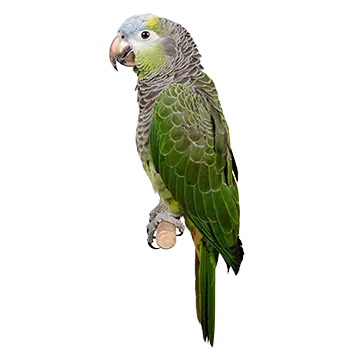
Proper nutrition is fundamental to Mealy Amazon health, longevity, and prevention of common medical issues including obesity and fatty liver disease, which represent significant health risks in this species. Wild Mealy Amazons consume diverse plant materials including fruits, nuts, seeds, flowers, and buds, providing balanced nutrition that captive diets must replicate while avoiding excessive fat content common in pet bird feeding practices.
The foundation of a captive Mealy Amazon diet should consist of high-quality pellets formulated specifically for large parrots, comprising approximately 60-70% of total daily food intake. Premium organic pellet brands provide balanced vitamins, minerals, and nutrients in appropriate ratios, significantly reducing the risk of nutritional deficiencies common with seed-based diets. Offer pellets in a separate bowl from fresh foods to monitor consumption accurately. Many Mealy Amazons readily accept pellets, though birds transitioned from seed-based diets may initially resist this healthier option, requiring gradual introduction using mixing strategies and persistence.
Fresh vegetables should constitute 20-30% of the daily diet and must be offered twice daily, removing uneaten portions after 2-3 hours to prevent spoilage. Dark leafy greens are particularly important and include collard greens, mustard greens, turnip greens, dandelion greens, kale, and chard. Other excellent vegetable choices include carrots, sweet potatoes, butternut squash, bell peppers (all colors), broccoli, cauliflower, green beans, snap peas, corn, and beets. Chop vegetables into appropriate bite-sized pieces or offer whole pieces for foraging enrichment. Organic produce is preferable to minimize pesticide exposure, particularly for items like bell peppers and leafy greens that typically carry higher pesticide residues.
Fruits provide important vitamins, antioxidants, and variety but should be limited to 5-10% of the diet due to high natural sugar content that can contribute to obesity and yeast infections. Appropriate fruits include apples, pears, berries, melon, papaya, mango, pomegranate, grapes, and banana. Always remove seeds, pits, and stems before offering fruits, as apple seeds and stone fruit pits contain cyanogenic compounds toxic to birds. Fruits make excellent training rewards and can encourage reluctant eaters to try new foods.
Seeds and nuts can be offered in moderation as treats, training rewards, or foraging enrichment but should not exceed 5-10% of total diet due to high fat content. Suitable options include safflower seeds, small amounts of sunflower seeds, almonds, walnuts, pecans, brazil nuts, pistachios, and pine nuts. Avoid peanuts unless certified aflatoxin-free, as peanuts frequently contain dangerous fungal toxins. Many avian veterinarians consider seed-based diets the primary cause of obesity, fatty liver disease, and nutritional deficiencies in captive Amazon parrots. Mealy Amazons are particularly prone to obesity and should never receive seed as a primary diet component.
Foods to strictly avoid include avocado (all parts are highly toxic to parrots), chocolate, caffeine, alcohol, high-salt snack foods, high-sugar foods, onions, garlic in large amounts, mushrooms, tomato leaves and stems, apple seeds, stone fruit pits, and rhubarb. Never offer dairy products except in very small amounts, as birds are lactose intolerant. Avoid sharing food directly from human mouths, as human saliva contains bacteria harmful to birds. Do not feed avocado in any form as it causes acute heart failure in parrots.
Supplementation is typically unnecessary when feeding a balanced diet of pellets and fresh foods, though some situations may warrant additional vitamins or minerals under veterinary guidance. Over-supplementation can be as dangerous as deficiency, particularly with fat-soluble vitamins that accumulate in the body. Calcium supplementation through cuttlebone or mineral block should be available, though Mealy Amazons rarely need additional calcium when eating proper diets. Avoid iodine-enhanced products unless specifically recommended by an avian veterinarian.
Fresh, clean water must be available at all times in stainless steel or ceramic dishes changed at minimum twice daily. Use filtered or bottled water in areas with poor water quality, high chlorine content, or known contaminants, though most municipal water supplies are safe. Some owners provide separate water dishes for drinking and bathing. Monitor water consumption as changes can indicate health problems.
Foraging opportunities enrich feeding time and provide natural mental stimulation. Hide food in foraging toys, create vegetable kabobs hung in the cage, wrap treats in paper for shredding, place food in puzzle feeders requiring manipulation, or hide seeds in cardboard tubes. Foraging mimics natural feeding behaviors where wild Amazons spend many hours daily searching for and processing food. This enrichment helps prevent boredom, obesity from overeating, and behavioral problems while encouraging natural species-typical behaviors essential for psychological wellbeing.