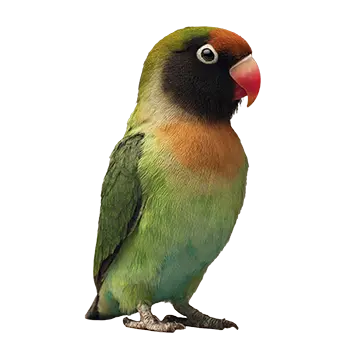
In their natural rainforest habitat, Black-Headed Caiques consume a highly varied diet of fruits, seeds, nuts, berries, flowers, palm fruits, and insects, with specific items varying seasonally based on rainforest productivity. This diverse wild diet provides balanced nutrition and demonstrates their adaptability as opportunistic feeders. Replicating this variety in captivity while preventing obesity and fatty liver disease requires careful dietary management.
The foundation of a captive Black-Headed Caique's diet should be high-quality, organic pellets formulated for small to medium parrots, comprising 60-70% of daily intake. Pellets provide balanced nutrition and prevent selective eating where birds consume only favorite high-fat items. Choose organic, dye-free pellets to minimize pesticide exposure and artificial additives. Reputable brands include Harrison's, TOPS, Roudybush, and Zupreem Natural. Transitioning from seeds to pellets requires patience—mix increasing pellet amounts with decreasing seeds over several weeks, as caiques resist dietary changes stubbornly.
The seeds versus pellets debate has settled in favor of pellets among avian veterinarians, particularly for caiques prone to fatty liver disease. All-seed diets are excessively high in fat, deficient in calcium and vitamin A, and allow selective eating where birds consume only sunflower seeds and other fatty favorites. This leads to obesity, fatty liver disease, malnutrition, and shortened lifespans—particularly problematic in caiques who develop fatty liver disease more readily than many species. If feeding seeds, strictly limit them to 5-10% of the diet as occasional treats only, never as a dietary staple.
Fresh vegetables should comprise 20-30% of daily intake, providing essential vitamins, minerals, and variety. Excellent choices include dark leafy greens (kale, collards, mustard greens, dandelion greens) rich in calcium and vitamin A, orange vegetables (carrots, sweet potato, butternut squash, red bell peppers) providing beta-carotene, and other beneficial vegetables including broccoli, green beans, peas, and sprouted seeds. Rotate offerings daily for nutritional diversity. Offer vegetables in the morning when birds are hungriest, removing uneaten portions after 2-4 hours to prevent spoilage.
Fruits should be strictly limited to 5-10% of the diet due to high sugar content, though they provide vitamins and serve as healthy treats. Caiques love fruit and will overeat it given the opportunity, contributing to obesity and fatty liver problems. Suitable fruits include berries, apple without seeds, grapes, mango, papaya, pomegranate, and melons. Always remove pits, seeds, and cores from apples, pears, and stone fruits containing cyanogenic compounds. Never feed avocado, which is highly toxic even in tiny amounts.
Foods requiring strict avoidance include chocolate, caffeine, alcohol, high-salt foods, high-sugar foods, avocado, onions, garlic, dried uncooked beans, apple seeds, fruit pits, rhubarb, mushrooms, and excessive dairy. PTFE/Teflon fumes are instantly fatal and require elimination of non-stick cookware from homes with birds.
Calcium and mineral needs are important for bone health and metabolic function. Provide cuttlebone or mineral blocks for supplemental calcium and beak conditioning. Dark leafy greens supply dietary calcium. Breeding females require increased calcium to prevent egg binding and shell problems.
Vitamin supplementation is generally unnecessary for birds on varied, pellet-based diets with adequate fresh foods. Over-supplementation causes toxicity, particularly with fat-soluble vitamins A, D, E, and K. If supplementing, use bird-specific products following dosage instructions precisely. Birds on seed-only diets require supplementation until transitioned to pellets.
Water requirements include providing fresh, clean water changed multiple times daily. Caiques are messy and frequently contaminate water with food, requiring more frequent changes than tidier species. Use stainless steel or ceramic dishes cleaned thoroughly. Most municipal tap water is safe unless heavily chlorinated or contaminated; if concerned, use filtered water.
Foraging opportunities are essential for these intelligent, active birds. Hide vegetables in paper bags, wrap nuts in paper for unwrapping, scatter pellets in shredded paper for searching, use puzzle feeders requiring manipulation, skewer vegetables on kabobs, hide treats in cardboard boxes, or create foraging layers. Foraging mimics natural feeding behaviors where wild birds spend hours searching for food, preventing boredom, obesity, and behavioral problems. Black-Headed Caiques are enthusiastic foragers who excel at puzzle-solving, making this activity particularly important for the species.
Weight management is critical in Black-Headed Caiques prone to obesity and fatty liver disease. Monitor weight regularly using a gram scale, maintaining consistency. Adult caiques should weigh 150-170 grams depending on individual size. Weight gain above normal range requires dietary adjustment and increased exercise. Many pet caiques are overweight due to high-fat diets and insufficient activity. Preventing obesity requires appropriate diet, portion control, and ensuring adequate flight and exercise opportunities. Fat caiques develop fatty liver disease, decreased activity, breathing problems, and shortened lifespans. Regular veterinary checkups should include weight assessment and body condition scoring.