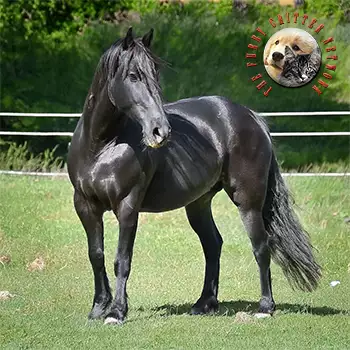

Selle Francais horses are subject to identification and registration requirements that vary by country but share certain common principles. In France, all equines must be registered with the Institut Français du Cheval et de l'Équitation (IFCE) and fitted with a microchip within the first year of life. The registration process generates a unique identification document, commonly known as a passport, which must accompany the horse whenever it is transported or changes ownership. This document records the horse's pedigree, physical description, microchip number, and vaccination history.
In the European Union, equine identification is governed by EU regulations that require all horses to carry a passport-style identification document. These rules apply to Selle Francais horses regardless of whether they are registered with the ANSF studbook, and compliance is mandatory for any horse that is sold, moved between properties, or entered in competitions. The identification document also determines whether the horse is eligible for slaughter for human consumption, a classification that owners must declare at the time of registration and that affects certain veterinary treatment options.
In North America, Selle Francais horses may be registered with the breed's national affiliate organizations, though registration requirements are generally less regulated by government authorities than in Europe. The United States and Canada do not mandate universal equine identification at the federal level, though individual states and provinces may impose their own requirements. Owners who wish to compete in recognized show jumping or eventing competitions will typically need current registration documents and proof of identity through microchip or other accepted means.
Owners purchasing Selle Francais horses internationally should be aware that registration transfers between national studbooks can involve administrative complexity. The ANSF and its international affiliates maintain reciprocal recognition agreements, but the specific documentation required to transfer a horse's registration from one country's studbook to another varies. Working with a knowledgeable breed representative or equine attorney can help navigate these procedures and avoid delays.