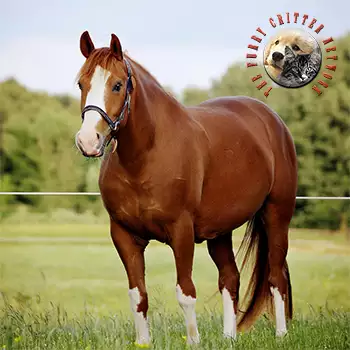

Origins & Development

The American Quarter Horse traces its roots to the early 1600s when English Thoroughbreds were brought to the colonial settlements along the Eastern Seaboard. These imported horses were crossed with native horses descended from Spanish stock that had been in the Americas since the expeditions of the conquistadors. The resulting offspring proved remarkably fast over short distances, and colonists quickly recognized the value of these compact, muscular animals for both work and sport.

By the late 1600s and early 1700s, match racing had become a popular pastime in Virginia and the Carolinas. Races were typically held along quarter-mile stretches of road or cleared paths, giving rise to the informal name "Quarter Horse." One of the most celebrated foundation sires of this era was Janus, an English Thoroughbred imported to Virginia in 1756, whose descendants became renowned for their explosive speed and powerful hindquarters.

As settlers moved westward during the 18th and 19th centuries, they brought their Quarter Horses along. The breed proved indispensable on the frontier, where its agility and cow sense made it the ideal partner for cattle work. Ranchers in Texas and the Great Plains further refined the breed by crossing it with feral mustangs and other local stock, producing a horse that could work cattle all day and still outrun anything on the range over a short distance.

The modern Quarter Horse owes much of its genetic identity to a handful of influential stallions from the late 1800s and early 1900s. Horses like Steel Dust, Peter McCue, and later Wimpy and Doc Bar shaped the breed's conformation and working ability. These sires established bloodlines that remain highly prized today, and their influence can be traced through virtually every major performance and halter line in the breed.

Historical Roles

The Quarter Horse has served more practical roles throughout American history than perhaps any other breed. During the westward expansion, these horses were the backbone of the cattle industry. Their innate ability to anticipate a cow's movements, often called "cow sense," made them indispensable on the open range. Cowboys relied on them for daily ranch chores, long cattle drives, and the demanding work of roping, cutting, and sorting livestock.

Beyond ranch work, Quarter Horses played a significant role in the settlement of the American frontier. They served as reliable mounts for pioneers, mail carriers, and lawmen. Their combination of speed, stamina, and calm temperament made them suitable for families who needed a single horse to pull a plow during the week and carry a rider to town on the weekend. This versatility defined the breed's character and cemented its place in the daily life of rural America.

Quarter Horse racing has its own rich history that parallels the development of Thoroughbred racing in the United States. While Thoroughbred racing grew into a formalized industry centered on longer distances, Quarter Horse racing remained a grassroots affair for much of its history. Small-town match races and bush tracks were gathering places for communities across the South and West, and the tradition of wagering on fast horses over short distances became deeply woven into regional cultures.

During the 20th century, the Quarter Horse transitioned from a working ranch horse to a competitive show and performance animal. The rise of organized rodeo brought the breed into arenas across the country, where Quarter Horses excelled in barrel racing, team roping, reining, and cutting competitions. Today, the breed's historical roles are preserved through working ranch horse competitions and heritage events that celebrate the skills and traditions of the American cowboy.

Cultural Symbolism

No horse breed is more closely identified with the American West than the Quarter Horse. The breed has become a living symbol of the cowboy era, embodying values of hard work, self-reliance, and rugged independence that remain central to Western identity. From rodeo arenas to ranch country, the Quarter Horse represents a way of life that stretches back generations and continues to shape communities across the heartland.

The Quarter Horse's cultural significance extends beyond the ranch and into the broader American imagination. The breed frequently appears in artwork, photography, and sculpture that celebrates Western heritage. Artists like Frederic Remington and Charles M. Russell depicted horses with the compact, muscular build characteristic of the Quarter Horse in their iconic portrayals of cowboy life. Today, the breed's silhouette is one of the most recognized equine images in American popular culture.

In many rural communities, the Quarter Horse is more than a breed; it is a family tradition. Multigenerational ranching families often maintain bloodlines that stretch back decades, and the bonds between families and their horses carry deep emotional significance. Youth programs like 4-H and the American Quarter Horse Youth Association introduce young people to the breed and the values of horsemanship, creating a cycle of cultural continuity that sustains both the breed and its community.

The Quarter Horse has also become a symbol of American identity abroad. International interest in Western riding and ranch culture has grown steadily, and the Quarter Horse is often the breed that introduces riders in other countries to American equestrian traditions. The breed's presence at international competitions and exhibitions has made it an ambassador for a distinctly American approach to horsemanship.

Breed Clubs & Standards

The American Quarter Horse Association (AQHA), founded in 1940 in Fort Worth, Texas, is the largest breed registry in the world. With millions of horses registered since its inception, the AQHA has played a central role in standardizing the breed, promoting its versatility, and organizing competitions. The association's formation marked a turning point for the Quarter Horse, transforming it from a regional working horse into a nationally and internationally recognized breed.

The AQHA breed standard emphasizes a compact, muscular build with a broad chest, powerful hindquarters, and a refined head. The ideal Quarter Horse stands between 14.3 and 16 hands and displays an alert, calm demeanor. The standard allows for a wide range of coat colors, with sorrel being the most common, followed by bay, black, brown, buckskin, palomino, gray, dun, red dun, grullo, and roan. The association maintains strict guidelines for registration, including parentage verification through DNA testing.

Beyond the AQHA, several affiliated and independent organizations support specific disciplines and subpopulations within the breed. The National Cutting Horse Association (NCHA), the National Reining Horse Association (NRHA), and the National Barrel Horse Association (NBHA) all feature Quarter Horses prominently in their competitions. These organizations have developed their own standards of performance excellence, and many of the top horses in their events are registered Quarter Horses or Quarter Horse crosses.

The AQHA also maintains an appendix registry that allows horses with one Thoroughbred parent and one registered Quarter Horse parent to compete and eventually earn full registration based on performance and conformation criteria. This appendix system has been a point of ongoing discussion within the breed community, as it allows for the introduction of Thoroughbred bloodlines that can enhance speed and athleticism but may alter the breed's traditional type. The dialogue around the appendix registry reflects broader questions about how breed standards evolve in response to changing competitive demands.

The Breed Today

The American Quarter Horse is the most popular horse breed in the United States and one of the most widely distributed breeds in the world. The AQHA registers tens of thousands of new foals each year, and registered Quarter Horses can be found in every U.S. state and in dozens of countries around the globe. The breed's continued popularity is a testament to its extraordinary versatility, as Quarter Horses compete successfully in disciplines ranging from Western pleasure and reining to hunt seat, dressage, and even polo.

Modern breeding programs have diversified the Quarter Horse into several recognizable types. Stock-type horses retain the breed's traditional compact, muscular build and are favored for ranch work, cutting, and reining. Racing-type Quarter Horses are leaner and longer-legged, bred for explosive speed over short distances at tracks across the country. Halter horses are bred for conformation and have become increasingly muscular and refined for the show ring. This diversification reflects the breed's adaptability but has also generated discussion about maintaining a cohesive breed identity.

The Quarter Horse racing industry remains a significant economic force, with major events like the All American Futurity at Ruidoso Downs offering purses among the richest in horse racing. Quarter Horse racing supports a network of breeders, trainers, jockeys, and track operators, particularly in states like Texas, Oklahoma, New Mexico, and Louisiana. The sport continues to attract new participants and fans, ensuring that the breed's racing heritage remains vibrant.

Recreational riding and ranch work continue to be the most common uses for Quarter Horses. Many owners value the breed for its calm temperament, willingness to work, and suitability for riders of all experience levels. Trail riding, team penning, and ranch versatility competitions have grown in popularity, offering Quarter Horse owners opportunities to enjoy their horses in settings that celebrate the breed's working heritage without the pressure of elite-level competition.

Notable Individuals

Several individual Quarter Horses have left an indelible mark on the breed's history and the broader world of equestrian sport. Wimpy, registered as P-1 in the AQHA studbook, was the first horse to receive a permanent registration number and set the standard for the breed's conformation in its earliest years. His legacy as the breed's founding registered sire gives him a unique place in Quarter Horse history.

Doc Bar, foaled in 1956, is widely regarded as one of the most influential sires in the history of the cutting horse. Although he was initially considered a failure on the racetrack, his offspring proved to be extraordinarily talented in the cutting pen. Doc Bar's descendants have earned millions of dollars in cutting competition, and his bloodline remains among the most sought-after in the discipline. His story illustrates how the Quarter Horse's versatility can reveal itself in unexpected ways across generations.

Dash For Cash, foaled in 1973, dominated Quarter Horse racing and became one of the breed's greatest racing sires. He won multiple stakes races and earned champion titles before going on to produce offspring that collectively earned tens of millions of dollars on the track. His influence on the racing side of the breed is difficult to overstate, and his descendants continue to compete at the highest levels of Quarter Horse racing.

In the modern era, horses like Smart Little Lena and Peptoboonsmal have become legends in the reining and cutting worlds. Smart Little Lena was the first horse to earn more than half a million dollars in cutting competition, and Peptoboonsmal's offspring have collectively earned more than any other sire in the history of the National Cutting Horse Association. These horses represent the pinnacle of Quarter Horse performance breeding and demonstrate the breed's capacity for athletic excellence across multiple generations.

Always consult a qualified professional before making any health-related decisions. This content is provided for informational reference only and should not replace professional guidance specific to your animal.