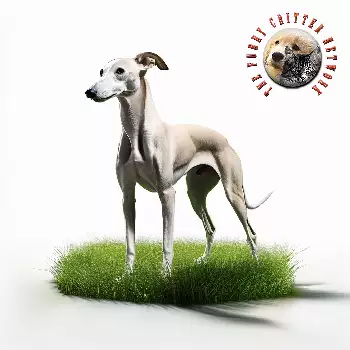

The Italian Greyhound is one of the oldest toy breeds in existence, with a lineage that can be traced back over two thousand years to the ancient civilizations of the Mediterranean basin. Archaeological evidence, including skeletal remains and decorative artifacts, suggests that small sighthound-type dogs closely resembling the modern Italian Greyhound existed in the regions of present-day Greece and Turkey as early as the fifth century BCE. These diminutive hounds were likely bred down in size from larger coursing sighthounds, selected specifically for companionship rather than hunting utility.
The breed's migration into the Italian peninsula cemented its identity and gave rise to the name by which it is known today. During the height of the Roman Empire, miniature greyhounds became fashionable pets among the patrician class, valued for their grace and gentle dispositions. Roman mosaics and pottery fragments depict slender, fine-boned dogs that bear a striking resemblance to the breed's current form, indicating that the Italian Greyhound's silhouette has remained remarkably consistent over the centuries.
Following the fall of Rome, the breed persisted in Mediterranean households and eventually spread northward through trade and cultural exchange during the medieval period. By the late Middle Ages, Italian Greyhounds had established a foothold across southern Europe, where they continued to serve as treasured household companions. Their delicate build and calm indoor temperament made them particularly well suited to life in temperate climates, and breeders across Italy and surrounding regions carefully maintained the bloodlines that would eventually reach the courts of Renaissance Europe.
The formal development of the Italian Greyhound as a recognized breed accelerated during the nineteenth century, when dog shows and breed registries began to take shape in England and continental Europe. Early breed standards emphasized the dog's miniature greyhound proportions, high-stepping gait, and refined bone structure. English breeders played a pivotal role in stabilizing the breed's type and size during this era, and the Italian Greyhound was among the first toy breeds recognized by the Kennel Club in the United Kingdom.