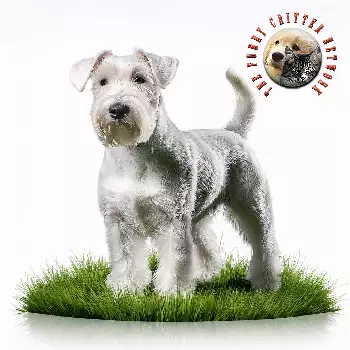

The Glen of Imaal Terrier takes its name from the remote Glen of Imaal, a rugged valley nestled in the Wicklow Mountains of County Wicklow, Ireland. The breed's origins are believed to date back several centuries, with local lore tracing the dogs to soldiers who settled in the glen during the reign of Elizabeth I in the sixteenth and seventeenth centuries. These settlers brought their low-slung, hardy dogs with them, and the animals gradually adapted to the demanding terrain and harsh conditions of the Irish uplands.
Over generations, the Glen of Imaal Terrier was shaped by the practical needs of rural Irish life. Farmers and smallholders in the glen required a versatile working dog that could hunt vermin, dispatch foxes and badgers from their dens, and serve as a general-purpose farm companion. The breed's low-to-the-ground build and powerful forequarters were ideally suited for going to ground after quarry in narrow, rocky burrows. Their quiet disposition while working underground set them apart from more vocal terrier breeds.
Unlike many terrier breeds that were refined through formal breeding programs in the nineteenth century, the Glen of Imaal Terrier remained relatively unchanged for much of its history. The breed developed organically, with selection driven by working ability rather than appearance. This practical approach to breeding preserved the Glen's distinctive physical traits, including its bowed front legs, broad chest, and muscular build, all of which served clear functional purposes in the field.
The breed also had an unusual secondary role as a turnspit dog. Glens were reportedly used to power kitchen turnspits by walking on a treadmill-like device that rotated meat over an open fire. This task required endurance, a calm temperament, and a willingness to work steadily for extended periods. While turnspit duties eventually became obsolete with the advent of mechanical alternatives, the role speaks to the breed's remarkable versatility and patience.