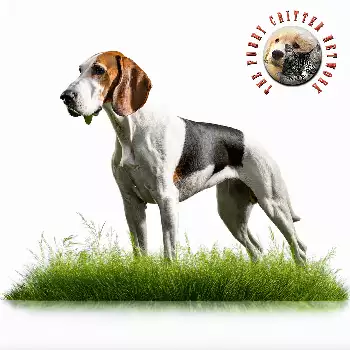

The English Foxhound's screen presence has been shaped largely by its association with the traditional mounted hunt, one of the most visually iconic scenes in British cinema. Period dramas set in the English countryside frequently feature packs of foxhounds streaming across fields and through woodlands, providing atmospheric backdrops that instantly signal a setting of rural aristocracy. Productions depicting Regency and Victorian life have relied on the sight of foxhounds milling around stable yards and drawing coverts to establish time, place, and social class.
Documentary filmmakers have also turned their cameras on the English Foxhound, particularly in the context of the fox hunting debate that dominated British public discourse in the late twentieth and early twenty-first centuries. Television news programs, nature documentaries, and investigative features all showcased the breed during this period, often contrasting the beauty and athleticism of the hounds with the controversy surrounding their traditional purpose. These appearances brought the English Foxhound into living rooms across Britain and beyond.
In animated productions, hound dogs of various types frequently appear, and while they are not always explicitly identified as English Foxhounds, the breed's classic tricolor coat and drooping ears have clearly influenced character designs in animated features centered on hunting themes. The visual archetype of the pack hound running with nose to the ground owes much to the English Foxhound's distinctive silhouette.
Television series set in the English countryside, particularly those exploring the lives of country estates and rural communities, regularly feature English Foxhounds as part of their visual storytelling. The hounds serve as living props that ground these stories in a specific cultural landscape, reminding viewers of the deep connections between land, tradition, and the animals that have shaped rural life for centuries.