
Car Travel

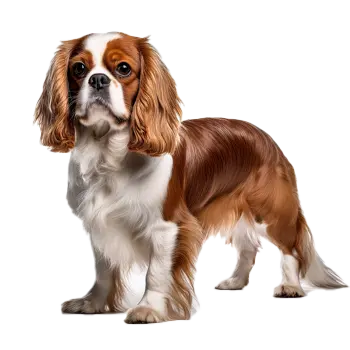
The Cavalier King Charles Spaniel's compact size and calm temperament make it one of the more manageable breeds for car travel. Most Cavaliers adapt well to vehicle travel, particularly when introduced to the experience early in life. Short, positive trips during puppyhood help establish the car as a safe and routine environment, reducing the likelihood of anxiety or motion sickness as the dog matures.

Safety should be the primary concern when traveling by car with a Cavalier. The most effective restraint options for a dog of this size include a crash-tested travel crate secured to the vehicle's cargo area or rear seat, or a crash-tested harness that attaches to the vehicle's seatbelt system. Unrestrained dogs in a moving vehicle pose a risk to themselves and to passengers in the event of a sudden stop or collision. Cavaliers should never ride in a driver's lap, regardless of how well-behaved they may be.

Temperature management is especially important for Cavaliers during car travel. As a brachycephalic-adjacent breed with a moderately shortened muzzle, the Cavalier can be more sensitive to heat than some other breeds of similar size. The car's interior should be climate-controlled, and the dog should never be left unattended in a parked vehicle, even for brief periods. On warm days, the temperature inside a parked car can reach dangerous levels within minutes.

For longer road trips, plan regular stops every two to three hours to allow the dog to relieve itself, stretch, and drink water. Bring a portable water bowl, a supply of the dog's regular food, waste bags, and any medications the dog requires. A familiar blanket or toy can also help the dog settle during extended drives. Cavaliers are generally sociable travelers and tend to enjoy the stimulation of new environments encountered along the way.

Air Travel

The Cavalier King Charles Spaniel's size places it within the in-cabin weight limits of most major airlines, making air travel a viable option for owners who need to fly with their dogs. Most airlines permit dogs under a certain combined weight of animal and carrier to travel in the cabin, stored under the seat in front of the passenger. A soft-sided, airline-approved carrier that provides adequate ventilation and enough room for the dog to stand, turn around, and lie down is essential.

Before booking a flight, owners should research the specific airline's pet policy thoroughly. Policies vary regarding breed restrictions, required documentation, the number of pets permitted per flight, and fees. Booking the pet reservation as early as possible is advisable, as airlines typically limit the number of in-cabin animals per flight. A health certificate issued by a veterinarian within the timeframe specified by the airline is almost always required, and international flights will involve additional documentation including rabies vaccination records and potentially import permits.

The Cavalier's brachycephalic-adjacent facial structure warrants extra caution when considering cargo hold travel. Several airlines have restricted or banned brachycephalic and short-muzzled breeds from cargo transport due to elevated risks of respiratory distress in the pressurized but less climate-controlled cargo environment. While the Cavalier's muzzle is not as extremely shortened as that of breeds like the Pug or English Bulldog, owners should exercise caution and opt for in-cabin travel whenever possible.

Preparing a Cavalier for air travel involves acclimating the dog to its carrier well in advance of the flight. Leaving the carrier open at home and encouraging the dog to rest in it voluntarily, using treats and positive reinforcement, helps reduce stress on travel day. On the day of the flight, exercise the dog thoroughly before heading to the airport, limit food intake to avoid motion sickness, and ensure the dog has had an opportunity to relieve itself before entering the terminal.

Pet-Friendly Accommodations

Finding pet-friendly accommodations for a Cavalier King Charles Spaniel is generally easier than for larger breeds, as many hotels, vacation rentals, and bed-and-breakfast establishments that accept pets impose size or weight limits that the Cavalier comfortably meets. The breed's quiet disposition and low tendency toward destructive behavior also make it a welcome guest in establishments that might be hesitant about larger or more energetic breeds.

When booking pet-friendly accommodations, it is important to confirm the property's specific pet policy before arrival. Some establishments charge a nightly pet fee or a one-time cleaning deposit, while others may restrict pets to certain room types or require them to be crated when left unattended in the room. Understanding these policies in advance helps avoid unexpected charges and ensures a smooth check-in experience.

Many popular travel destinations now offer amenities specifically designed for guests traveling with dogs. Pet-friendly hotel chains may provide dog beds, food and water bowls, treat packages, and information about nearby parks, trails, and veterinary clinics. Vacation rental platforms allow users to filter search results by pet-friendliness, and some properties cater specifically to dog owners with fenced yards, dog doors, and proximity to walking routes.

Cavalier owners should come prepared with essentials that ensure their dog's comfort and the property's protection. Bringing the dog's own bed or crate, food, bowls, waste bags, and a lint roller for furniture goes a long way toward maintaining a positive relationship with hosts and property managers. Cleaning up thoroughly before departure and reporting any accidental damage promptly demonstrates responsible pet ownership and helps keep accommodations welcoming for future travelers with dogs.

Boarding & Pet Sitting

When travel plans do not accommodate bringing a Cavalier King Charles Spaniel along, boarding facilities and pet sitting services offer reliable alternatives. The choice between these options depends on the individual dog's temperament, the duration of the owner's absence, and the quality of available local services. Cavaliers, as a breed with a strong attachment to their human companions, can experience separation anxiety, making the selection of the right care arrangement particularly important.

Boarding facilities range from basic kennels to luxury pet resorts offering individual suites, play groups, webcam access, and grooming services. When evaluating a boarding facility for a Cavalier, owners should look for clean, climate-controlled environments with adequate staff-to-dog ratios. A facility that separates dogs by size during group play is ideal, as Cavaliers can be physically vulnerable in play groups dominated by larger, more boisterous breeds. A pre-boarding visit allows the owner to inspect the facility and gives the dog a chance to become familiar with the environment.

In-home pet sitting, where a sitter stays in the owner's home or the dog stays in the sitter's home, can be a less stressful alternative for Cavaliers that do not adjust well to kennel environments. The continuity of the dog's routine, including feeding times, walking routes, and sleeping arrangements, helps minimize anxiety. Professional pet sitting services often provide bonding, insurance, and references, offering an additional layer of accountability.

Regardless of the arrangement chosen, owners should provide detailed written instructions covering the dog's feeding schedule, medication requirements, exercise needs, behavioral tendencies, and emergency veterinary contact information. Cavaliers with known health conditions, particularly cardiac issues, require sitters or boarding staff who are informed about symptoms to watch for and know how to respond if the dog shows signs of distress.

Emergency Preparedness

Emergency preparedness is an essential component of responsible Cavalier King Charles Spaniel ownership, whether at home or while traveling. Natural disasters, severe weather events, and unexpected evacuations can occur with little warning, and having a plan in place for the dog ensures that the animal's safety is not compromised during a crisis. The foundation of any emergency plan is an assembled go-bag containing supplies sufficient to sustain the dog for at least seventy-two hours.

A Cavalier emergency kit should include a supply of the dog's regular food, bottled water, portable food and water bowls, any medications the dog takes on a daily basis, copies of vaccination records and veterinary contact information, a recent photograph of the dog for identification purposes, waste bags, a leash, a collar with current identification tags, and a spare microchip registration printout. Keeping these items in a designated bag that is easily accessible allows for rapid departure when time is limited.

Knowing which emergency shelters, hotels, and veterinary clinics in your area and along your travel routes accept pets is a critical element of advance planning. Not all emergency shelters permit animals, and those that do may have limited capacity. Many communities maintain lists of pet-friendly emergency resources, and national organizations publish directories of hotels that waive pet restrictions during declared emergencies. Researching these options before a crisis occurs saves valuable time when it matters most.

Cavaliers with cardiac conditions require additional emergency planning. Owners should maintain a written summary of the dog's medical history, current medications, and the contact information for the dog's cardiologist or primary veterinarian in a format that can be quickly shared with an unfamiliar veterinary team. In an emergency situation, having this information organized and accessible can significantly improve the quality of care the dog receives. Discussing emergency protocols with your veterinarian during routine visits ensures that the plan remains current and comprehensive.

Always consult a qualified professional before making any health-related decisions. This content is provided for informational reference only and should not replace professional guidance specific to your animal.