
Origins & Development

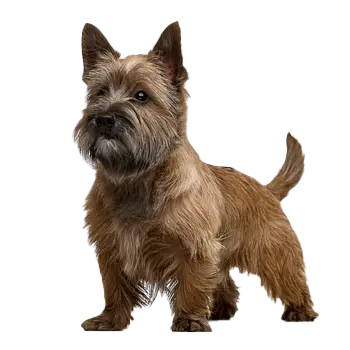
The Cairn Terrier is one of the oldest terrier breeds, originating in the Scottish Highlands and the Isle of Skye. For centuries, small, hardy terriers were kept by crofters and farmers across the rugged western Highlands to control vermin that threatened livestock and grain stores. These dogs were bred for function rather than appearance, selected for courage, tenacity, and the ability to navigate rocky terrain.

The breed takes its name from the cairns — man-made piles of stones used as boundary markers and memorials across the Scottish landscape. Rats, foxes, and other small predators often made their dens among these stone heaps, and the compact, fearless terriers were sent in to bolt or dispatch them. The dogs needed to be small enough to squeeze between rocks, tough enough to withstand bites and scrapes, and bold enough to confront quarry in tight, dark spaces.

For much of their early history, Cairn Terriers were not distinguished as a separate breed. They were grouped loosely with other short-legged Highland terriers, including what would eventually become the Scottish Terrier, the West Highland White Terrier, and the Skye Terrier. Regional preferences and working demands shaped distinct types over time, but formal classification did not begin until the early twentieth century.

Breeder Alastair Campbell and other Highland enthusiasts were instrumental in establishing the Cairn as a distinct breed in the early 1900s. Mrs. Alastair Campbell of Ardrishaig is often credited with championing the breed's recognition, carefully documenting bloodlines and pushing for a separate classification from the broader Skye Terrier group. By 1912, The Kennel Club in the United Kingdom granted the Cairn Terrier its own breed register, marking a pivotal moment in its formal history.

Historical Roles

The Cairn Terrier's primary historical role was vermin control. In the Highlands, these dogs were essential working animals, not luxury pets. Crofters relied on them to keep farms clear of rats, mice, weasels, and foxes. A good working Cairn was prized for its determination, and dogs that lacked courage or drive were not kept for breeding. This intense selection pressure over centuries forged a remarkably bold and persistent temperament.

Beyond the farm, Cairn Terriers were used in organized hunts across the rocky moorlands and coastlines of Scotland. Hunters would work packs of terriers alongside larger hounds, sending the small dogs into dens and rock crevices to flush out otters, badgers, and foxes. The terriers' compact size and wiry double coat provided natural protection against both the elements and the teeth of cornered prey.

As Scottish communities evolved and agriculture modernized, the Cairn Terrier's role shifted gradually from working dog to companion. However, many owners throughout the twentieth century maintained the breed's working instincts, entering their dogs in earthdog trials and other events designed to test natural terrier abilities. The transition from farm worker to household companion did not diminish the Cairn's spirited nature — it simply redirected that energy into family life.

In rural Scotland, Cairn Terriers also served as watchdogs for cottages and smallholdings. Their alert nature and willingness to sound the alarm made them reliable sentinels despite their small stature. Many Highland families kept Cairns as dual-purpose dogs, valued equally for their pest control skills and their watchful presence around the home.

Cultural Symbolism

The Cairn Terrier holds a special place in Scottish cultural identity. As one of the native terrier breeds of the Highlands, the Cairn represents qualities that Scots have long admired: hardiness, independence, determination, and an unpretentious approach to life. The breed's rugged appearance and no-nonsense temperament mirror the landscape and culture from which it emerged.

In broader Western culture, the Cairn Terrier became a symbol of loyalty and plucky companionship, largely due to the breed's association with a famous film role in the late 1930s. That single cultural moment transformed the Cairn from a relatively obscure working breed into a household name across North America and beyond. The image of a small, scruffy terrier standing bravely beside its owner resonated deeply with audiences during a period of economic hardship and uncertainty.

The Cairn Terrier also symbolizes the broader terrier spirit — a concept that transcends any single breed. Terrier enthusiasts often speak of "terrier attitude," a combination of fearlessness, intelligence, and stubbornness that defines the group. The Cairn, with its ancient working heritage and unrefined appearance, is frequently held up as a pure expression of that spirit, unchanged by centuries of selective breeding for show aesthetics.

In Scottish art and literature, terriers resembling the modern Cairn appear in paintings and writings dating back several centuries. These depictions typically show the dogs at work or resting beside their owners in humble domestic settings, reinforcing their cultural association with the common people of the Highlands rather than the aristocracy.

Breed Clubs & Standards

The Cairn Terrier Club was founded in the United Kingdom in 1910, two years before The Kennel Club granted the breed its own register. The club's founders were dedicated to preserving the working character and natural appearance of the breed, and they drafted an early standard that emphasized function over fashion. That founding philosophy continues to guide the breed club today.

The American Kennel Club recognized the Cairn Terrier in 1913, just one year after UK recognition. The Cairn Terrier Club of America was established shortly thereafter and has served as the breed's parent club in the United States ever since. The club has been influential in promoting responsible breeding practices and educating the public about the breed's needs and temperament.

Breed standards for the Cairn Terrier emphasize a natural, workmanlike appearance. The dog should be small but not delicate, with a harsh, weather-resistant double coat, erect ears, and a confident expression. Standards specifically caution against over-grooming or sculpting the coat into unnatural shapes, reflecting the breed's heritage as a rough-and-ready working dog. The Cairn is one of the few terrier breeds where a natural, slightly untidy look is not only accepted but preferred.

One notable aspect of the Cairn Terrier standard is the wide range of accepted coat colors, including cream, wheaten, red, sandy, gray, brindle, and nearly black. White is not accepted, a distinction that helped separate the breed from the closely related West Highland White Terrier. The breed's color diversity reflects its working origins, where coat color was irrelevant compared to temperament and ability.

The Breed Today

Today, the Cairn Terrier remains a popular companion breed valued for its spirited personality, manageable size, and robust health. The breed consistently ranks in the middle tier of AKC registration statistics, maintaining a stable following without the dramatic popularity spikes that can lead to overbreeding and associated health problems. This steady popularity has been beneficial for the breed's overall genetic health.

Modern Cairn Terriers are primarily kept as family companions, but the breed retains strong working instincts. Many Cairn owners participate in earthdog trials, agility, obedience, and rally competitions, providing outlets for the breed's considerable energy and intelligence. Cairns are also increasingly seen in therapy dog programs, where their cheerful demeanor and sturdy build make them well-suited for visiting hospitals, schools, and nursing homes.

Breed rescue organizations play an important role in the modern Cairn Terrier community. Groups such as Colonel Potter Cairn Rescue Network operate across North America, rehoming Cairns that have been surrendered or abandoned. These organizations also serve as educational resources, helping potential owners understand the breed's exercise needs, grooming requirements, and characteristic terrier independence before committing to ownership.

The Cairn Terrier community is active online and at in-person events. Regional breed clubs host specialty shows, fun days, and educational seminars throughout the year. National specialties draw exhibitors and enthusiasts from across the country, celebrating the breed through conformation showing, performance events, and social gatherings that strengthen the bonds within the Cairn Terrier community.

Notable Individuals

The most famous Cairn Terrier in history is Terry, the dog who portrayed Toto in the 1939 film adaptation of a beloved American fantasy story. Terry was trained by Carl Spitz and appeared in over a dozen films during her career, but it was her role as the loyal companion of a young girl swept away to a magical land that secured her lasting fame. Terry was later renamed Toto by her owner in recognition of the role that defined her career.

In the world of dog shows, several Cairn Terriers have achieved notable success. Champions from both British and American breeding programs have earned Best in Show honors at prestigious events, demonstrating that the breed can compete at the highest levels while retaining its characteristic natural appearance. These wins have helped raise the breed's profile among serious dog fanciers.

Beyond the show ring and screen, individual Cairn Terriers have gained recognition for remarkable acts of loyalty and courage. Stories of Cairns alerting their families to house fires, standing guard over injured owners, and performing other acts of devotion have appeared in newspapers and books over the decades. While such stories are common across many breeds, they reinforce the Cairn's reputation as a deeply bonded and protective companion.

The breed has also been associated with several notable human owners throughout history. Various public figures, authors, and entertainers have kept Cairn Terriers, often citing the breed's lively personality and manageable size as reasons for their choice. These associations, while less dramatic than a starring film role, have helped maintain the breed's visibility and appeal across generations.

Always consult a qualified professional before making any health-related decisions. This content is provided for informational reference only and should not replace professional guidance specific to your animal.