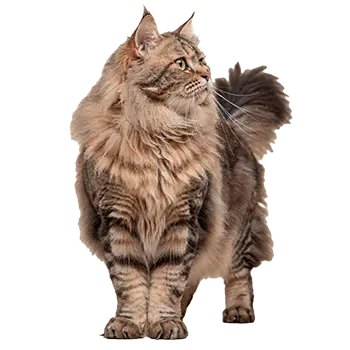

Origins & Ancient Roots

The Siberian cat is one of the oldest natural cat breeds in the world, with roots stretching back at least a thousand years into the dense forests and harsh climates of Russia. These cats evolved without significant human intervention, developing a robust triple-layered coat, powerful musculature, and keen hunting instincts that allowed them to thrive in some of the coldest inhabited regions on Earth. Their origins are closely tied to the taiga forests of Siberia, where they served as skilled mousers in villages and farmsteads scattered across the vast landscape.

Historical references to large, longhaired cats in Russia date back to at least the medieval period, though pinpointing exact origins is difficult given the informal nature of early cat keeping. Russian fairy tales and folk stories frequently feature forest cats that bear a striking resemblance to the modern Siberian, suggesting the breed held a place in the cultural imagination long before formal breeding programs existed. These cats were everyday companions in Russian households, prized for their ability to keep granaries and homes free of rodents.

The Siberian is believed to be an ancestral breed to many of the modern longhaired cat breeds seen around the world. Genetic studies have indicated that the Siberian shares common ancestry with breeds such as the Norwegian Forest Cat and the Turkish Angora, pointing to ancient migration routes and natural crossbreeding among landrace cat populations across Europe and Asia. This deep genetic heritage gives the Siberian a unique place in the broader story of domestic cat development.

For much of its history, the Siberian existed outside the framework of organized cat breeding. It was simply the common cat of Russia, found in cities, farms, and wilderness settlements alike. It was not until the political and cultural shifts of the late twentieth century that breeders began to formally document and preserve the Siberian as a distinct breed, recognizing the need to protect a living piece of Russia's natural and cultural heritage.

Historical Roles

Throughout Russian history, Siberian cats played a practical and indispensable role as working animals. Their primary function was pest control, and they were kept in homes, barns, monasteries, and even shops to manage populations of mice and rats. In a country where harsh winters made food storage critical, a reliable mouser could mean the difference between a well-stocked larder and devastating losses to vermin. Siberian cats earned their keep through centuries of dedicated service in this role.

Beyond their duties as mousers, Siberians also served as companions to people across all levels of Russian society. From rural farming families to urban merchants, these cats were valued for their affectionate and sociable natures. Unlike some breeds that were historically reserved for nobility or specific social classes, the Siberian was a cat of the people, found in humble cottages and grand estates alike. Their adaptability and easygoing temperament made them welcome additions to virtually any household.

Siberian cats were also associated with Russian Orthodox monasteries, where they were kept to protect food stores and manuscripts from rodent damage. Some accounts suggest that monastery cats were particularly well cared for, as the monks recognized their essential contribution to preserving both sustenance and sacred texts. This monastic connection lent the Siberian a certain reverence in Russian culture, associating them with patience, guardianship, and quiet devotion.

During the Siege of Leningrad in World War II, the city's cat population was nearly wiped out, leading to a catastrophic explosion of the rat population. After the siege was broken, cats from Siberia and other regions were brought in by the trainload to help control the vermin that threatened the city's remaining food supplies and its recovering population. This episode remains one of the most dramatic examples of the Siberian cat's enduring role in Russian life and is commemorated in the city now known as Saint Petersburg.

Cultural Symbolism

In Russian culture, the cat occupies a prominent symbolic role, and the Siberian breed embodies many of the qualities that Russians have historically admired in their feline companions. Cats in Russian folklore are often depicted as clever, independent, and resourceful creatures, and the Siberian's sturdy build and self-sufficient nature align perfectly with these cultural ideals. The breed has become something of an unofficial national cat, representing the resilience and warmth of Russian character.

Russian fairy tales feature a character known as the Kot Bayun, a magical cat with an enchanting voice that could either lull listeners to sleep or captivate them with stories. While not explicitly identified as a Siberian, the Kot Bayun is frequently illustrated as a large, fluffy cat that closely resembles the breed. This mythological connection has helped cement the Siberian's image as a cat of mystery and depth, one that carries the weight of centuries of storytelling tradition.

The Siberian has also become a symbol of Russian diplomacy in modern times. Russian leaders have gifted Siberian cats to foreign dignitaries and heads of state as gestures of goodwill, elevating the breed's profile on the international stage. These diplomatic gifts underscore the cultural pride that Russians take in their native cat breed and have helped introduce the Siberian to audiences far beyond its homeland.

In contemporary Russian art and literature, the Siberian continues to appear as a motif representing home, comfort, and enduring strength. The breed's image graces everything from postage stamps to children's book illustrations, ensuring that new generations of Russians grow up with an awareness of and affection for this ancient and beloved breed.

Breed Clubs & Standards

Formal recognition of the Siberian as a distinct breed is a relatively recent development in the long history of these cats. The first Siberian cat breeding programs were established in the late 1980s, following the relaxation of restrictions on pet breeding in the Soviet Union. Pioneering breeders in Moscow and Saint Petersburg began documenting pedigrees, establishing breed standards, and working to preserve the natural characteristics that distinguished the Siberian from other longhaired breeds.

The Kotofei Cat Club in Moscow played a central role in the early development of breed standards for the Siberian. In 1987, the club began registering Siberians and establishing the criteria by which the breed would be judged, including specifications for body type, coat texture, head shape, and eye color. These early standards drew directly from the characteristics of the natural population, emphasizing the breed's robust build, triple coat, and rounded contours.

International recognition followed gradually throughout the 1990s and early 2000s. The International Cat Association granted the Siberian championship status in 1996, and the Cat Fanciers' Association followed with full recognition in 2006. The Federation Internationale Feline and other European registries also accepted the breed during this period. Each organization developed its own interpretation of the breed standard, though all agreed on the fundamental characteristics that define the Siberian.

Today, Siberian breed clubs operate in countries around the world, from the United States and Canada to Germany, the United Kingdom, and Australia. These clubs promote responsible breeding practices, organize shows and educational events, and serve as resources for both prospective and current Siberian owners. The global network of breed enthusiasts has helped ensure that the Siberian's genetic diversity and natural qualities are preserved even as the breed's popularity continues to grow.

The Breed Today

The Siberian cat has experienced a remarkable surge in popularity over the past two decades, driven in part by its reputation as a potentially lower-allergen breed. While no cat is truly hypoallergenic, Siberians are known to produce lower levels of the Fel d 1 protein, which is the primary allergen responsible for cat allergies in humans. This characteristic has made the breed especially appealing to families and individuals who love cats but have historically been unable to live comfortably with them.

Modern Siberians are bred in a wide array of colors and patterns, including classic tabby, solid, colorpoint, tortoiseshell, and bicolor variations. The colorpoint variety, known as the Neva Masquerade, is particularly popular and is sometimes treated as a separate breed by certain registries. Regardless of color, the breed's hallmark features remain consistent: a powerful, medium-to-large body; a full triple coat that changes density with the seasons; large, expressive eyes; and a sweet, rounded facial expression.

The breed's temperament has been a major factor in its growing fan base. Siberians are known for being exceptionally affectionate, playful, and sociable cats that bond closely with their families. They are often described as dog-like in their loyalty and willingness to follow their owners from room to room. Many Siberians are also drawn to water and enjoy playing in sinks, bathtubs, or outdoor water features, a trait that sets them apart from many other domestic cat breeds.

Breeding programs today face the ongoing challenge of maintaining genetic diversity while meeting the demands of a growing market. Responsible breeders continue to import cats from Russia to introduce new bloodlines and prevent the genetic bottlenecks that can arise in popular breeds. Health testing for conditions such as hypertrophic cardiomyopathy and polycystic kidney disease has become standard practice among reputable breeders, reflecting a commitment to the long-term health and vitality of the breed.

Notable Individuals

Several individual Siberian cats have achieved fame and helped raise the breed's profile on the world stage. One of the most well-known is Dorofei, a Siberian owned by former Russian President Dmitry Medvedev. Dorofei became a minor celebrity in Russian media, frequently appearing in news stories and photographs that highlighted the breed's connection to Russian national identity. The cat's presence in the political spotlight helped draw international attention to the Siberian breed.

Another notable Siberian is Mir, a cat gifted by Russian President Vladimir Putin to the governor of Akita Prefecture in Japan in 2012 as part of a diplomatic exchange. The gesture was a response to a gift of an Akita dog that the Japanese governor had previously given to Putin, and it became a widely covered story that introduced the Siberian breed to Japanese audiences. The exchange symbolized the cultural importance of animals in international diplomacy and brought positive attention to both breeds involved.

In the world of cat shows, numerous Siberians have earned top honors at international competitions, helping to establish the breed as a serious contender among longhaired cats. Grand champions and supreme champions from breeding programs around the world have demonstrated the breed's beauty, structure, and temperament on the show bench, earning accolades from judges and admiration from spectators.

The rise of social media has also produced Siberian cat celebrities with substantial followings. Owners share photographs and videos of their Siberians engaging in the breed's characteristically playful and expressive behaviors, from leaping acrobatically after toys to lounging regally in sunlit windows. These online ambassadors have played a significant role in fueling the breed's popularity, particularly among younger audiences who discover the Siberian through platforms dedicated to pet content.

Always consult a qualified professional before making any health-related decisions. This content is provided for informational reference only and should not replace professional guidance specific to your animal.