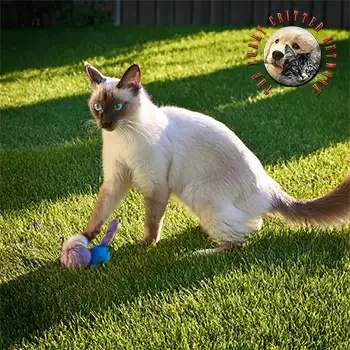

Origins & Development

The Balinese cat is not, despite its exotic name, a product of the Indonesian island of Bali. The breed originated in the United States during the mid-twentieth century as a naturally occurring longhaired mutation within Siamese breeding lines. Siamese breeders had occasionally noticed kittens with longer, silkier coats appearing in otherwise standard litters, and for many years these kittens were quietly placed as pets rather than used in breeding programs. It was not until the 1940s and 1950s that a handful of breeders began to see the longhaired variant as something worth developing in its own right.

Marion Dorsey of Rai-Mar Cattery in New York is widely credited as one of the first breeders to intentionally work with longhaired Siamese kittens, beginning in the late 1940s. She recognized that the silky coat and graceful body type could define a distinct breed rather than remain an undesirable accident. Around the same time, Helen Smith of MerryMews Cattery in New York became a passionate champion of the longhaired Siamese and is credited with coining the name "Balinese." Smith chose the name because the cats' fluid, graceful movements reminded her of Balinese temple dancers, lending the breed an air of elegance that matched its appearance.

The genetic basis of the Balinese coat is straightforward. The longhair gene is recessive, meaning both parents must carry it for longhaired kittens to appear. Because the Siamese breed had carried this recessive gene for generations, longhaired kittens surfaced periodically whenever two carriers were mated. Early Balinese breeders selected for the same color-point pattern, vivid blue eyes, and svelte body type found in the Siamese while preserving the longer, flowing coat that set the Balinese apart.

Throughout the 1960s and 1970s, dedicated breeding programs refined the Balinese into a consistent type. Breeders worked to ensure that the coat remained silky and close-lying rather than fluffy, distinguishing the Balinese from other longhaired breeds. The absence of a dense undercoat became a hallmark, giving the breed its characteristically sleek silhouette even with longer fur. This careful selection process transformed what had once been considered a fault in Siamese lines into a celebrated and distinct breed.

Historical Roles

Unlike many cat breeds whose histories stretch back centuries into working roles, the Balinese has always been primarily a companion animal. Its development occurred entirely within the context of the modern cat fancy, and the breed was shaped from the start to be an affectionate and engaging household pet. The Balinese inherited the Siamese reputation for sociability and vocal communication, and breeders selected for cats that bonded closely with their human families.

The breed's intelligence and trainability have made it a favorite among cat owners who enjoy interactive play and even clicker training. Balinese cats are known for learning tricks, walking on leashes, and engaging in games of fetch, behaviors that set them apart from more independent breeds. These qualities contributed to the breed's appeal during the mid-twentieth century boom in pedigreed cat ownership, when families sought cats that participated actively in household life.

The Balinese also played a quiet but important role in the development of other breeds. The Javanese, recognized by some registries as a separate breed and by others as a division of the Balinese, emerged when breeders expanded the accepted color palette beyond the four traditional Siamese point colors. Crosses involving Balinese cats contributed to the development of colorpoint longhaired varieties in several registries, making the breed a building block in the broader landscape of pointed cat breeds.

In therapeutic and emotional support contexts, the Balinese's attentive and empathetic temperament has made it a popular choice. Owners frequently describe these cats as unusually perceptive, seeming to sense and respond to the moods of the people around them. While formal therapy-animal certification depends on individual temperament rather than breed, the Balinese's natural disposition toward close human contact has made many individual cats well suited to companionship roles for people living alone or managing stress.

Cultural Symbolism

The name "Balinese" itself is a deliberate act of cultural branding, evoking the artistry and grace of Balinese dance traditions. Helen Smith's choice to name the breed after Bali's temple dancers was inspired by the cats' flowing movements and poised elegance, and the association has shaped public perception of the breed ever since. The name conjures images of exotic beauty and refinement, qualities that breeders and enthusiasts have embraced as central to the Balinese identity.

Within the cat fancy, the Balinese has come to symbolize a kind of accessible elegance. Its silky coat requires far less grooming than breeds with dense undercoats, and its slender physique and vivid blue eyes give it a striking appearance without the extremes of body type seen in some modern show lines. For many cat lovers, the Balinese represents a harmonious balance between beauty and practicality, a cat that looks luxurious but lives easily in a typical home.

The breed also holds symbolic significance in discussions about genetic diversity and breeding ethics within the cat fancy. Because the Balinese originated as a natural variant of the Siamese, its history illustrates how breeders can develop new breeds by working with naturally occurring genetic variation rather than introducing mutations or extreme physical traits. Advocates for the Balinese often point to its relatively robust health and natural body type as evidence that beauty and genetic soundness can coexist.

In the broader culture, Siamese-type cats including the Balinese have become shorthand for feline sophistication. Their striking coloring, piercing blue eyes, and vocal personalities make them instantly recognizable, and the Balinese's flowing coat adds an extra dimension of visual appeal. The breed's image has been used in artwork, greeting cards, and decorative objects, reinforcing its association with grace and refinement.

Breed Clubs & Standards

The journey toward formal recognition for the Balinese was neither quick nor without controversy. Siamese breeders were initially resistant to the idea of a longhaired variant receiving breed status, viewing the longer coat as a fault rather than a feature. Balinese enthusiasts had to build their case over several decades, demonstrating that the breed could produce consistent type across generations and that its qualities warranted separate recognition.

The Cat Fanciers' Federation was the first major North American registry to grant the Balinese championship status, doing so in 1961. The Cat Fanciers' Association followed in 1970, initially recognizing only the four traditional point colors: seal, chocolate, blue, and lilac. Other point colors, achieved through outcrosses to Colorpoint Shorthairs, were classified under a separate breed name, Javanese, by CFA until 2008, when the Javanese was merged into the Balinese breed.

The International Cat Association has recognized the Balinese since the organization's founding in 1979 and accepts a broader range of point colors under the Balinese name. European registries affiliated with the Fédération Internationale Féline also recognize the breed, though standards vary in the specifics of accepted colors and body type. Across registries, the breed standard consistently calls for a long, svelte body, fine bones, a wedge-shaped head, large pointed ears, and vivid blue almond-shaped eyes.

Breed clubs dedicated to the Balinese have played a vital role in educating the public, mentoring new breeders, and advocating for health testing within breeding programs. Organizations such as the Balinese and Siamese Breeders of America work to preserve the breed's type while promoting genetic diversity. These clubs sponsor breed showcases at major cat shows, publish newsletters, and maintain breeder referral lists that help prospective owners find responsible sources for Balinese kittens.

The Breed Today

The modern Balinese remains a relatively uncommon breed compared to its Siamese cousin, but it enjoys a devoted following among cat enthusiasts worldwide. Breeders continue to refine the breed's type, working to maintain the sleek, elegant silhouette and silky coat that define the Balinese while ensuring genetic health through careful outcross management and health screening.

One of the breed's distinguishing selling points in the modern pet market is its reputation as a lower-allergen cat. While no cat breed is truly hypoallergenic, the Balinese is often cited as producing lower levels of the Fel d 1 protein, the primary allergen responsible for reactions in sensitive individuals. This claim has made the breed attractive to allergy sufferers seeking feline companionship, though prospective owners are advised to spend time with individual cats before committing, as allergen levels vary.

The Balinese has also benefited from a growing appreciation for active, intelligent cat breeds among modern pet owners. As more people seek cats that can be trained, walked on leashes, and engaged in interactive play, the Balinese's natural aptitude for these activities has boosted its appeal. Social media accounts featuring Balinese cats performing tricks or exploring the outdoors on harnesses have introduced the breed to audiences that might never encounter one at a cat show.

Breeding programs today face the ongoing challenge of maintaining genetic diversity within a relatively small gene pool. Responsible breeders use health screening for conditions such as progressive retinal atrophy and amyloidosis, both of which can affect Siamese-family breeds. Collaboration between breeders across registries and national borders helps ensure that the Balinese population remains genetically healthy while preserving the breed's distinctive characteristics.

Notable Individuals

While the Balinese lacks the long roster of famous individual cats associated with some breeds, several Balinese cats have achieved recognition within the cat fancy for their contributions to the breed's development and visibility. Grand champions in CFA and TICA shows have helped demonstrate the breed's quality and attract new breeders, particularly during periods when the Balinese was still establishing itself as a distinct breed.

Helen Smith's early MerryMews cats are considered foundational to the breed, and pedigree researchers can trace many modern Balinese lines back to her breeding program. Her dedication to establishing the breed's identity and securing its recognition shaped the Balinese as it exists today. Marion Dorsey's Rai-Mar cats similarly appear in the pedigrees of many contemporary Balinese, reflecting her pioneering work in the 1940s and 1950s.

In the world of cat shows, individual Balinese have earned distinction through regional and national wins that brought the breed to wider attention. These cats served as ambassadors for the breed, demonstrating its elegance and personality to judges and spectators alike. Show wins by Balinese cats in the late twentieth century were particularly significant because they helped legitimize the breed in the eyes of Siamese purists who had long viewed the longhaired variant with skepticism.

More recently, individual Balinese cats have gained followings on social media platforms, where their striking looks and engaging personalities translate well to photo and video content. These internet-famous cats have done as much to raise public awareness of the breed as traditional show success, reaching audiences of thousands or even millions who may never attend a cat show but are drawn to the breed's beauty and charm.

Always consult a qualified professional before making any health-related decisions. This content is provided for informational reference only and should not replace professional guidance specific to your animal.