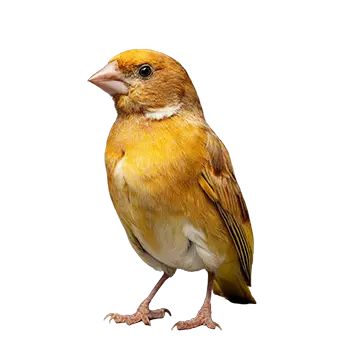

The canary has occupied a steady place in European literature since the 17th century, and the German Roller, as the most celebrated singing variety, has often served as the implicit or explicit subject when authors invoke the caged songbird. In German-language literature, the Kanarienvogel appears frequently as a marker of domestic comfort, bourgeois aspiration, and the tension between confinement and beauty. Writers of the Romantic and Biedermeier periods used the singing canary as a symbol of nature's voice contained within the ordered space of the home, a motif that resonated with broader cultural anxieties about industrialization and the loss of pastoral life.
English-language literature absorbed the canary as a literary device largely through the 18th and 19th centuries, when imported Harz Rollers were a fixture of British households. Charles Dickens made incidental but telling use of caged canaries in several novels, employing them as environmental details that signaled the character and social standing of their owners. The singing canary in a cottage window or a shopkeeper's parlor became a shorthand for modest respectability, and its song a metonym for the small pleasures that sustained everyday life.
Poetry has engaged with the canary in more abstract and varied ways. German poets including Eduard Moerike and later Rainer Maria Rilke touched on themes of birdsong, captivity, and the nature of artistic expression that invite association with the roller canary tradition, even when the specific breed is not named. In English verse, the canary appears in works ranging from light drawing-room poetry to more searching meditations on freedom and constraint, its cage serving as a metaphor flexible enough to accommodate a wide range of interpretive frameworks.
The canary's literary presence has diminished somewhat in contemporary fiction, where it tends to appear in period settings or as a nostalgic reference rather than as a living element of modern domestic life. Nevertheless, the image of the singing canary retains its symbolic potency, and writers continue to draw on it when they wish to evoke a particular quality of intimacy, fragility, or beauty held in suspension.