
Representation in Wildlife Documentaries

The Blue-Headed Pionus has appeared in numerous wildlife documentaries focused on the Neotropical avifauna, though typically as part of broader coverage of Amazonian and Central American ecosystems rather than as a standalone subject. Nature films documenting clay lick behavior frequently feature the species alongside macaws, Amazona parrots, and other psittacines converging on exposed mineral deposits along riverbanks. These scenes, captured in locations such as Peru's Tambopata region and Ecuador's Yasuni corridor, offer some of the most vivid footage of Blue-Headed Pionus in their wild habitat and have introduced the species to audiences who might otherwise never encounter it.

Documentary series produced by the BBC Natural History Unit, National Geographic, and independent wildlife filmmakers have included footage of Pionus menstruus in programs exploring tropical biodiversity, avian intelligence, and the conservation challenges facing Amazonian forests. While the species rarely receives the extended screen time afforded to more charismatic megafauna or the famously intelligent African Grey, its presence in these productions contributes to a more complete picture of Neotropical parrot diversity and helps counter the impression that the parrot world consists solely of macaws and cockatoos.

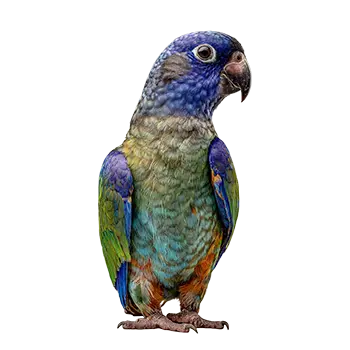
The visual appeal of the Blue-Headed Pionus on screen is notable despite its relatively modest size. High-definition and 4K cinematography has revealed the subtle complexity of the species' plumage in ways that static photographs sometimes fail to capture. The deep cobalt blue of the head, transitioning into olive-green body plumage with flashes of red at the vent and pink-red throat patches, presents a sophisticated palette that rewards close observation. Slow-motion footage of the species in flight, showing the contrast between the dark upper wing and the blue-green underparts, has become a staple of tropical bird cinematography.

Regional documentary productions in Latin America have given the Blue-Headed Pionus somewhat more prominent treatment. Films produced in Colombia, Ecuador, and Costa Rica for domestic and regional audiences have featured the species in educational contexts, highlighting its ecology, conservation status, and role within local ecosystems. These productions serve an important function in building awareness and appreciation for native biodiversity within the countries where the species actually lives, complementing the international documentaries that tend to reach larger but more distant audiences.

Wildlife Photography & Art

The Blue-Headed Pionus is a prized subject among wildlife photographers working in the Neotropics, valued for the striking contrast between its vivid blue head and the muted green tones of its body plumage. Professional and amateur photographers at clay lick sites in Peru, Ecuador, and Bolivia regularly capture images of the species alongside other parrots, and these photographs circulate widely through nature photography platforms, stock image libraries, and social media. The challenge of photographing the species in its forest canopy habitat, where dense foliage and variable lighting create difficult shooting conditions, has made clear in-flight and perched portraits particularly valued within the birding photography community.

Bird illustrators and natural history artists have depicted the Blue-Headed Pionus in field guides, ornithological plates, and fine art since the 18th century. Early illustrations by artists such as Jacques Barraband and Edward Lear, both celebrated for their psittacine subjects, helped establish the visual record of the species in European ornithological literature. These hand-colored lithographs and engravings, produced from museum specimens and occasionally from live birds, remain beautiful examples of the intersection between science and art that characterized natural history illustration in the pre-photographic era.

Contemporary bird artists continue to feature the Blue-Headed Pionus in their work, exploring the species through a range of media including watercolor, oil, acrylic, and digital illustration. The bird's compact proportions, richly detailed plumage, and expressive eye make it a rewarding subject for artists seeking to capture personality and detail in avian portraits. Several prominent parrot artists have produced prints and original works featuring the species that are sought after by collectors and Pionus enthusiasts, and these pieces frequently appear in aviculture magazines and exhibition catalogs.

The emergence of AI-generated and digitally manipulated imagery in recent years has added a new dimension to the species' visual presence. While purists in the wildlife photography community maintain strict standards of authenticity, digital artists have created stylized and interpretive works featuring the Blue-Headed Pionus that reach broad audiences through print-on-demand products, social media, and online art marketplaces. These works, ranging from photorealistic renderings to abstract compositions, reflect the species' growing cultural visibility even as debates about the role of digital tools in nature art continue to evolve.

Online Communities & Social Media

The rise of internet forums and social media platforms has been transformative for the Blue-Headed Pionus's cultural profile. Species-specific communities on platforms including Facebook, Reddit, and dedicated aviculture forums have connected Pionus keepers across geographic boundaries, creating spaces where owners share photographs, behavioral observations, dietary advice, and veterinary information. These communities have been instrumental in building collective knowledge about the species and in shifting perceptions away from the outdated view of Pionus parrots as bland or unremarkable companions.

Facebook groups dedicated to Pionus parrots collectively number in the tens of thousands of members, with active threads covering topics from harness training and foraging enrichment to plumage color variation and breeding outcomes. The Blue-Headed Pionus is consistently among the most frequently discussed species within these groups, reflecting its position as the most commonly kept member of the genus. The visual appeal of the species photographs well in the social media format, and images of Blue-Headed Pionus parrots bathing, playing, or displaying their blue plumage under good lighting routinely attract significant engagement.

Instagram and TikTok have provided additional platforms for Blue-Headed Pionus owners to showcase their birds' personalities. Short-form video content featuring Pionus parrots engaged in everyday activities, from mimicking household sounds to interacting with other pets, has accumulated millions of views across multiple accounts. While individual Blue-Headed Pionus accounts may not rival the follower counts of celebrity cockatoos or African Greys, the species benefits from a steady stream of content that emphasizes its gentle nature, manageable temperament, and quiet charm, qualities that resonate with viewers considering their first parrot or seeking an alternative to more demanding species.

Online aviculture publications and blogs have also contributed to the species' media presence. Detailed care guides, species profiles, and personal essays by experienced Pionus keepers appear on platforms ranging from established aviculture websites to personal blogs and YouTube channels. These resources fill a gap left by traditional print publications, which historically devoted more coverage to larger and more commercially prominent parrot species. The cumulative effect of this online content has been a significant increase in public awareness and understanding of the Blue-Headed Pionus over the past two decades.

Literature, Film & Fictional Appearances

The Blue-Headed Pionus has not achieved the level of fictional fame enjoyed by some other parrot species. Pirates' shoulder parrots, whether in Robert Louis Stevenson's Treasure Island or Disney's various interpretations, tend to be depicted as macaws or generic large parrots rather than the more modest Pionus. Similarly, animated films and television programs featuring parrot characters have overwhelmingly drawn on the visual drama of macaws, cockatoos, and African Greys, leaving the Pionus genus largely unrepresented in mainstream fictional media.

Despite this absence from blockbuster fiction, the Blue-Headed Pionus does appear in more specialized literary and educational contexts. Children's nonfiction books about tropical birds frequently include the species in surveys of parrot diversity, and several illustrated guides aimed at young readers have featured Pionus menstruus as an example of the less-known but equally fascinating members of the parrot family. These educational materials, while modest in commercial reach, play an important role in introducing the species to young audiences and fostering interest in avian diversity beyond the most familiar species.

In nonfiction writing for adult audiences, the Blue-Headed Pionus appears in memoirs and essays by bird keepers, wildlife biologists, and travel writers who have encountered the species in captivity or in the wild. Accounts of birding trips to Amazonian clay licks frequently mention the Blue-Headed Pionus alongside more celebrated species, and several aviculture memoirs include chapters or passages devoted to the experience of keeping Pionus parrots. These personal narratives contribute a dimension of lived experience that complements the factual information available in field guides and care manuals.

The species has also found a place in the growing genre of nature podcasts, where hosts and guests discuss parrot keeping, avian ecology, and wildlife conservation. Episodes featuring Pionus-specific content have been produced by several popular aviculture and birding podcasts, reaching audiences that may not actively seek out written material about the species. As podcasting continues to expand as a medium for nature and pet content, the Blue-Headed Pionus is likely to receive increasing coverage in this format.

Ecotourism & Public Awareness

Ecotourism has become an increasingly important vehicle for introducing the Blue-Headed Pionus to a global audience. Birding tours to Central and South American destinations routinely include the species on their target lists, and the experience of observing wild Pionus parrots in their forest habitat creates lasting impressions that travelers often share through trip reports, photography, and social media posts. Clay lick excursions in Peru and Ecuador, where Blue-Headed Pionus congregate alongside dozens of other parrot species, are among the most visually spectacular and widely documented birding experiences available anywhere in the world.

Bird watching guide companies operating in Costa Rica, Panama, Colombia, and the Amazon basin include the Blue-Headed Pionus in their species checklists and marketing materials. While the species may not be the primary draw for most birding tours, its reliable presence in accessible habitats makes it a frequent and welcome sighting. Tour leaders and local guides contribute to public awareness by providing context about the species' behavior, ecology, and conservation status, turning a brief field observation into an educational experience.

Avian sanctuaries and rescue organizations also serve as points of public contact with the Blue-Headed Pionus. Facilities in both Latin America and North America that house surrendered or confiscated parrots frequently include Blue-Headed Pionus among their resident birds. Educational programs at these sanctuaries allow visitors to observe the species at close range and learn about the responsibilities and challenges of parrot ownership, an experience that can be more impactful than any documentary or social media post.

The collective effect of ecotourism, sanctuary visits, and nature media is a gradual but meaningful expansion of public awareness of the Blue-Headed Pionus. The species is no longer an insider secret known only to dedicated aviculturists and tropical birders. It has entered the broader consciousness of the pet-keeping and wildlife-appreciation communities, earning recognition as a species that rewards attention and repays the effort of getting to know its subtle, understated appeal.

The Growing Pionus Community

The community of Blue-Headed Pionus enthusiasts has grown substantially over the past two decades, driven by a combination of increased captive breeding availability, positive word-of-mouth from satisfied keepers, and the connective power of online platforms. What was once a niche corner of the aviculture world has developed into a recognizable subculture with its own vocabulary, values, and sense of identity. Pionus keepers frequently describe themselves as having discovered the species after experiencing the challenges of more demanding parrot species, and many express a sense of advocacy for what they perceive as an underappreciated bird.

Bird clubs and aviculture societies have responded to this growing interest by including Pionus-specific programming in their events. National and regional bird expos in the United States, Europe, and Australia now regularly feature Pionus breeders among their vendors, and educational seminars on Pionus care and breeding attract engaged audiences. The American Federation of Aviculture, the Parrot Society of Australia, and similar organizations have published Pionus-focused articles and hosted speakers with expertise in the genus, legitimizing the species within the organized aviculture community.

The Pionus community's culture tends to reflect the temperament of the birds themselves: measured, knowledgeable, and focused on quality of care rather than spectacle. Online discussions in Pionus-specific groups often emphasize diet, enrichment, and veterinary matters over the trick training and talking demonstrations that dominate content about more vocally gifted species. This care-centered ethos has helped cultivate a reputation for the Blue-Headed Pionus community as a welcoming and informationally rich space for both experienced keepers and newcomers.

Looking ahead, the Blue-Headed Pionus appears well positioned to continue its trajectory of growing cultural presence. As awareness of avian welfare issues increases and as more potential parrot owners seek species compatible with apartment living and moderate noise environments, the Blue-Headed Pionus offers a compelling combination of beauty, personality, and practicality. The community that has formed around the species, both online and in person, provides a support network that enhances the experience of keeping these birds and contributes to the ongoing development of best practices in Pionus husbandry.

Always consult a qualified professional before making any health-related decisions. This content is provided for informational reference only and should not replace professional guidance specific to your animal.