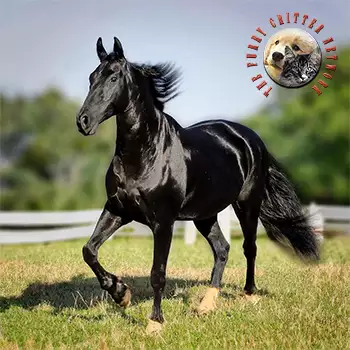

A well-fitted halter is the most fundamental piece of equipment for any horse. For the Tennessee Walking Horse, which ranges from average to large in head size depending on the individual, proper fit means the noseband sits roughly two fingers below the cheekbone, the throatlatch allows a fist's width of space, and the crownpiece does not press on the ears or poll. Flat nylon halters are affordable and durable for daily use, while leather halters are preferred for turnout because they are designed to break under extreme pressure, reducing the risk of a caught halter becoming a fatal entanglement.
Lead ropes should be at least eight to ten feet long for safe handling, with a sturdy snap that operates smoothly with one hand. Bull snaps are stronger than bolt snaps and less likely to fail under sudden load, though they are heavier. For groundwork and training, longer leads of twelve to fifteen feet allow more room for exercises like lunging at close range and desensitization work without crowding the horse.
Saddle fit is a subject that deserves dedicated attention for the Tennessee Walking Horse because the breed's unique gait mechanics place different demands on the saddle than those of a trotting breed. Gaited horse saddles are designed with a tree that accommodates the longer, more mobile shoulder movement and the distinctive back motion of the running walk. Using a standard saddle designed for trotting breeds can restrict shoulder freedom and create pressure points that interfere with gait quality and cause soreness.
Bridles and bits for gaited horses are another area where breed-specific considerations matter. Many Tennessee Walker riders prefer a mild snaffle for training and trail riding, while show riders may use shanked bits appropriate to their division. Regardless of the bit, proper fit is essential—the bit should create one to two wrinkles at the corners of the mouth, and the browband should not press into the base of the ears. A well-fitted bridle stays in place without being tight and allows the horse to flex and respond to rein cues comfortably.