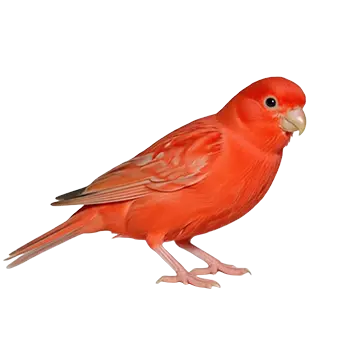

Recognizing the Transition to Senior Status

Red Factor Canaries typically begin showing signs of aging around six to eight years of age, though the onset and pace of age-related decline vary considerably between individuals depending on genetics, lifetime diet, environmental conditions, and overall health history. Unlike dogs or cats, whose aging is often marked by dramatic physical changes, the transition to senior status in a canary tends to be gradual and subtle, requiring a keeper who is attuned to the bird's baseline behavior and physical condition.

One of the earliest signs of aging in a Red Factor Canary is a gradual reduction in singing frequency and volume, particularly in males. A bird that once sang for hours throughout the morning may begin to limit his output to shorter, less complex phrases, or may sing only during peak hormonal periods in spring. This change reflects both declining testosterone production and the general reduction in energy reserves that accompanies aging. While a moderate decrease in singing is normal, a sudden and complete cessation of song outside of the molt period warrants veterinary evaluation, as it may indicate illness rather than simple aging.

Physical changes become more apparent as the bird moves deeper into its senior years. Feather quality may decline, with the plumage appearing slightly duller, dryer, or less tightly held against the body. The annual molt may take longer to complete, and color deposition may become less even, resulting in patches of lighter or uneven coloration even with consistent color feeding. Beak and nail growth rates can change, with some senior birds developing an overgrown or slightly misaligned beak that requires periodic trimming by a veterinarian or experienced keeper.

Activity levels tend to decrease as well. A senior canary may spend more time resting on a favored perch and less time flying between perches or exploring the cage. The bird may be slower to react to stimuli and may show less enthusiasm during bath time or when fresh food is offered. These behavioral changes are normal within limits, but any change that is sudden rather than gradual, or that is accompanied by other symptoms such as weight loss, labored breathing, or changes in droppings, should be investigated medically rather than attributed to aging alone.

Dietary Adjustments for Aging Birds

The nutritional needs of a senior Red Factor Canary shift as the bird's metabolism slows, its digestive efficiency decreases, and its ability to process and deposit dietary carotenoids may diminish. The diet that sustained the bird through its vigorous adult years needs to be modified thoughtfully to support a slower metabolic rate while still providing the nutrients necessary for immune function, feather maintenance, and organ health.

Seed intake should be monitored more carefully in senior birds. Older canaries tend to be less active, and a high-fat seed mix that was appropriate for a vigorous adult can lead to obesity in a sedentary senior. Reduce the proportion of fatty seeds such as hemp, linseed, and niger in the mix, and increase the proportion of canary grass seed, which is lower in fat. Some keepers switch to a lighter seed mix formulated for non-breeding canaries during the senior years. Weigh the bird weekly to track body condition, and adjust seed quantities if the bird is gaining or losing weight outside of normal fluctuations.

Soft foods become increasingly important for senior canaries, partly because they are easier to digest and partly because they provide nutrients that seed alone cannot supply. Egg food offered two to three times per week, finely grated carrot, cooked sweet potato, and dark leafy greens all support the nutritional needs of an aging bird. The greens and carrot continue to provide natural carotenoid pigments, though the bird's ability to metabolize and deposit these pigments into feathers may decline with age, resulting in somewhat less intense coloration regardless of dietary input.

Senior birds may also benefit from targeted supplementation. A liquid vitamin formulated for canaries, added to the drinking water or soft food once or twice per week, can help compensate for any absorption inefficiencies. Probiotics, either in powder form mixed into soft food or as a water additive, support gut flora balance in an aging digestive system. Calcium supplementation through a cuttlebone remains essential, as aging bones are prone to becoming brittle. If the bird is not using the cuttlebone regularly, calcium can be provided through a liquid supplement added to the water.

Watch for signs that the bird is having difficulty eating. An overgrown or misaligned beak can prevent effective seed hulling, and a bird that sits at the food dish making chewing motions without actually consuming seed may need its beak trimmed. Dental-like problems are not uncommon in senior canaries, and a veterinarian can evaluate beak condition and perform any necessary correction. If the bird is consistently underweight despite adequate food availability, consider offering a greater proportion of soft, easily consumed foods and smaller, more easily hulled seed varieties.

Housing Modifications

The cage setup that served an active adult Red Factor Canary well may need modification as the bird enters its senior years. Aging birds experience gradual declines in coordination, grip strength, and flight ability, and a cage environment that was perfectly safe for a young adult can present hazards for an elderly bird. Thoughtful adjustments to the cage layout can prevent injuries and make daily life more comfortable for the aging canary.

Perch placement is the first area to address. Lower the perches so that the bird does not have to fly or climb to great heights to reach its preferred roosting spot. A senior canary that falls from a high perch during the night can sustain leg fractures, wing injuries, or bruising that is difficult to detect and slow to heal in an older bird. Position the lowest perch no more than a few inches above the cage floor, and ensure that at least one perch is close to both the food and water sources so the bird does not need to make long flights to eat and drink.

Perch material and diameter become more important as grip strength declines. Replace any smooth, uniform-diameter dowel perches with natural wood branches that offer textured surfaces and varying diameters. The texture provides better grip for aging feet, and the diameter variation prevents the sustained pressure on a single area of the foot sole that can lead to bumblefoot, a painful inflammatory condition of the plantar surface. If the bird shows signs of foot discomfort, such as favoring one foot, shifting weight frequently, or reluctance to perch, a flat platform perch can provide a resting surface that takes pressure off the toes entirely.

Cage accessories should be simplified. Remove swings, bells, and toys that the bird no longer interacts with, as these can become obstacles for a less agile bird. Ensure the cage floor is easy to navigate in case the bird spends more time on the bottom, and use a soft, non-abrasive cage liner. If the bird has difficulty reaching its bath dish, place a shallow dish on the cage floor during bath time and supervise to ensure the bird does not become waterlogged or chilled. Senior birds may bathe less vigorously or less frequently than they did in their prime, and this is normal.

Temperature management becomes more critical for senior canaries, as their ability to thermoregulate diminishes with age. Keep the cage in a room that maintains a stable temperature between 65 and 75 degrees Fahrenheit, and avoid placing it near drafts, heating vents, or exterior walls where temperature swings are most pronounced. Some keepers provide a supplemental ceramic heat emitter or avian-safe heat panel positioned near one end of the cage, allowing the bird to move toward or away from the heat source as needed.

Age-Related Health Conditions

Senior Red Factor Canaries are susceptible to a range of age-related health conditions that require vigilant monitoring and timely veterinary intervention. Because canaries are small birds with high metabolic rates, illness can progress rapidly from early signs to crisis, making early detection and treatment essential. A keeper who knows the bird's normal behaviors and physical characteristics is in the best position to notice the subtle changes that signal the onset of a problem.

Tumors are among the most common age-related conditions in canaries. Both benign and malignant growths can develop in older birds, with lipomas, fatty tumors that often appear on the chest or abdomen, being particularly frequent in birds that have been fed a high-fat diet throughout their lives. External tumors may be visible as lumps beneath the skin or as discolored, swollen areas. Internal tumors are more insidious and may present only as gradual weight loss, changes in droppings, or a decline in overall condition. An avian veterinarian can evaluate lumps through fine-needle aspiration and may recommend surgical removal if the tumor is accessible and the bird is stable enough for anesthesia.

Liver disease is a significant concern in aging canaries, and Red Factor Canaries may face a somewhat elevated risk due to the lifelong processing of concentrated carotenoid supplements. Symptoms of liver disease include overgrown or discolored beak, abnormal feather coloration or texture, swollen abdomen, lethargy, and greenish or yellowish discoloration of the urates. Diagnosis typically involves blood work and sometimes radiography. Treatment depends on the underlying cause and may include dietary modification, medications to support liver function, and elimination of any toxic exposures.

Respiratory conditions tend to become more frequent and more severe in senior canaries. The respiratory system, already the most efficient and sensitive organ system in birds, loses some of its resilience with age. Chronic low-grade air sac mite infections that were controlled by a younger bird's immune system may flare as immune function wanes. Environmental irritants that the bird tolerated without issue in its prime may begin to cause visible respiratory distress. Maintain pristine air quality around the bird's cage, and address any respiratory symptoms, including tail bobbing, open-mouth breathing, or audible breathing sounds, immediately.

Arthritis and joint stiffness affect many older canaries, manifesting as reluctance to perch, favoring one leg, or spending increasing amounts of time on the cage floor. While there is no cure for age-related joint degeneration, environmental modifications such as lower perches, platform perches, and a warm cage environment can provide significant comfort. In some cases, a veterinarian may prescribe anti-inflammatory medication to manage pain and improve mobility.

Veterinary Care for Senior Canaries

The veterinary needs of a senior Red Factor Canary differ from those of a younger bird in both frequency and scope. While annual wellness examinations are recommended for adult canaries of all ages, senior birds benefit from more frequent check-ups, ideally every six months, to catch age-related conditions early when they are most treatable. Finding an avian veterinarian who is experienced with small passerines and who understands the specific considerations of canary medicine is essential for quality senior care.

A senior wellness examination should include a thorough physical assessment covering body weight, muscle condition over the keel bone, beak and nail length, foot condition, feather quality, and palpation for any lumps or swellings. The veterinarian should listen to the bird's breathing with a stethoscope and evaluate the abdomen for any distension that might suggest organ enlargement, fluid accumulation, or internal masses. A fecal analysis screens for intestinal parasites, bacterial overgrowth, and yeast, all of which become more problematic as the immune system weakens with age.

Blood work is particularly valuable in senior canaries, though it requires a skilled practitioner due to the very small blood volumes involved. A complete blood count and basic chemistry panel can reveal anemia, infection, liver dysfunction, kidney impairment, and metabolic abnormalities that may not yet be apparent through external observation. Establishing baseline blood values during the bird's healthy adult years makes it much easier to interpret results in the senior period, as changes from the individual bird's normal values are more diagnostically meaningful than comparison to broad species reference ranges.

Medication administration in senior canaries requires careful attention to dosing precision. Because canaries weigh only 15 to 25 grams on average, even small errors in medication dosing can result in underdosing or toxicity. Liquid medications administered via the drinking water or directly into the beak with a micropipette are the most common delivery methods. Compounding pharmacies that specialize in avian medications can prepare drugs in flavored liquid formulations at concentrations appropriate for small birds. Always follow the veterinarian's dosing instructions exactly and complete the full course of any prescribed treatment.

Discuss quality of life openly with your veterinarian as the bird ages. There comes a point in every senior canary's life when the focus of care shifts from treatment and cure to comfort and management. A veterinarian who knows the bird's history and current condition can help you assess whether a particular intervention is likely to improve the bird's quality of life or merely prolong a declining trajectory. These conversations are difficult but important, and a good avian veterinarian will support you in making compassionate decisions.

Color & Plumage Changes in Old Age

One of the most visible consequences of aging in a Red Factor Canary is a gradual change in plumage quality and color intensity. Keepers who have maintained their bird's vibrant red plumage through years of careful color feeding may notice that the feathers become progressively less vivid despite continued carotenoid supplementation. Understanding why this happens and what can realistically be done about it helps set appropriate expectations and prevents unnecessary frustration or excessive supplementation that could harm the bird's liver.

The decline in color intensity in senior Red Factor Canaries is driven by several converging factors. First, the bird's ability to metabolize and transport carotenoid pigments from the diet to the developing feather follicles decreases as liver and kidney function naturally diminish with age. Even if the bird is consuming the same amount of color food it always has, less pigment is actually reaching the feathers. Second, feather structure itself may change in older birds, with individual feathers becoming slightly thinner, more brittle, or less tightly structured, which affects how light interacts with the pigment and can make the color appear washed out.

The annual molt in senior birds often takes longer and may produce less uniform results than in younger years. Some feathers may emerge with full color while others on the same bird are noticeably lighter, creating a patchy or uneven appearance. In severe cases, individual feathers may fail to emerge at all, leaving small bald spots that the bird cannot fill in until the next molt cycle. These incomplete molts are more common in birds over eight years of age and are usually a reflection of declining nutritional status, hormonal changes, or subclinical health issues rather than a failure of color feeding protocols.

Resist the temptation to increase color food dosage beyond the manufacturer's recommended levels in an attempt to compensate for fading color. The bird's liver is already working harder with age, and overloading it with concentrated carotenoid supplements can accelerate hepatic decline. Instead, focus on supporting the bird's overall health and metabolism through a well-balanced diet, adequate hydration, and appropriate supplementation. Natural carotenoid sources such as grated carrot and sweet red pepper are gentler on the liver than concentrated supplements and should form a greater proportion of the color support in a senior bird's diet.

Accept that some degree of color fade is a natural and inevitable part of aging in Red Factor Canaries. A nine-year-old bird with slightly lighter plumage and a few uneven patches has earned those marks through a long, well-lived life. The bird's value as a companion and the quality of its remaining years are not diminished by a subtle change in shade. Focus your energy on the care practices that support comfort, health, and quality of life rather than chasing the same color intensity the bird displayed at two years old.

Emotional Welfare & Companionship

The emotional and psychological needs of a senior Red Factor Canary are often underestimated by keepers who view canaries primarily as decorative or musical additions to the household. While canaries do not form the intensely bonded relationships with humans that parrots are known for, they are nonetheless social, perceptive animals that respond to their environment and caretaker in meaningful ways. An aging canary that is neglected, isolated, or subjected to a stressful environment will decline faster than one that receives consistent, thoughtful attention.

Routine and predictability become even more important for senior canaries than for younger birds. An older bird that has lived in the same household for years has developed deep associations between its daily routine and its sense of safety. Disruptions to that routine, such as moving the cage to a new room, changing the time that the cage cover is removed in the morning, or introducing a new pet into the household, can cause significant stress in a senior bird. When changes are unavoidable, introduce them as gradually as possible and monitor the bird closely for signs of stress such as reduced eating, cessation of singing, or excessive fluffing.

The loss of a companion bird can profoundly affect a senior canary, particularly if the birds were housed within earshot of each other and had established a long-standing vocal relationship. A surviving canary may become noticeably quieter, less active, and may show decreased interest in food for a period after the loss. While canaries are generally more resilient to the loss of a flock mate than highly social species, the keeper should provide extra attention and environmental enrichment during the adjustment period. Placing a radio or music source near the cage to fill the acoustic void left by the absent companion can help ease the transition.

Your own relationship with the bird matters throughout its senior years. Continue to spend time near the cage, speak to the bird, and maintain the small rituals that have defined your caregiving over the years. The bird recognizes your voice, your routine, and your presence, and these familiar elements provide comfort and stability as the bird's physical capacities diminish. Some senior canaries become noticeably calmer around their long-time keeper, tolerating handling or proximity that they would have resisted as a younger, more flighty bird. This quiet trust is one of the quiet rewards of long-term canary keeping.

Finally, be attentive to changes in behavior that may signal not just physical illness but also cognitive decline. While the study of cognitive aging in small songbirds is limited, some keepers report changes in their senior canaries' behavior that suggest diminished mental acuity, such as failure to recognize familiar routines, disorientation within the cage, or repetitive behaviors that seem purposeless. These changes, when they occur, are typically gradual and may simply require patience and minor environmental adjustments to help the bird navigate its world safely.

Always consult a qualified professional before making any health-related decisions. This content is provided for informational reference only and should not replace professional guidance specific to your animal.