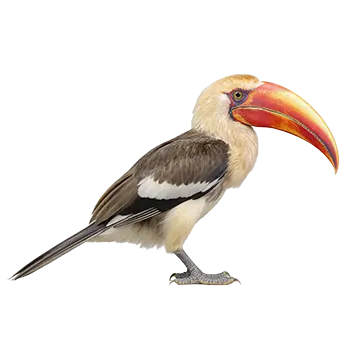

Recognizing the Senior Stage

Determining when a Red-Billed Hornbill has entered its senior years is not as straightforward as checking a calendar. While the species typically lives 15 to 20 years in captivity under optimal conditions, the onset of aging varies significantly between individual birds depending on genetics, lifetime diet quality, disease history, and the cumulative effects of environmental stressors. As a general guideline, birds beyond 10 to 12 years of age should be considered entering the senior phase, warranting closer monitoring and adjustments to their care regimen even if no overt signs of decline are yet apparent.

The earliest signs of aging in Red-Billed Hornbills are often subtle and easily overlooked if the caretaker is not specifically watching for them. A slight reduction in overall activity level is one of the first indicators. The bird may spend more time resting on preferred perches and less time engaged in active flight, ground foraging, or investigative play. Morning vocalizations may become shorter in duration or slightly reduced in volume. These changes are gradual and can be difficult to distinguish from normal seasonal or daily behavioral variation unless the caretaker maintains consistent observational records over months and years.

Physical signs of aging accumulate gradually. The plumage may lose some of its luster and take longer to regrow during the annual molt. The bill, while still functional, may show slight irregularities in growth or wear patterns that were not present during the prime adult years. Muscle mass may decrease, particularly in the pectoral region, giving the keel bone a more prominent feel during handling. Grip strength in the feet may diminish, and the bird may begin to favor lower perches or wider perching surfaces that require less effort to grip securely.

Recognizing the senior stage early allows for proactive adjustments that can significantly extend the bird's comfortable, active life. Waiting until obvious decline has occurred means that management changes are reactive rather than preventive, and reversing age-related deterioration is far more difficult than slowing its progression. Scheduling more frequent veterinary assessments, refining the diet, and modifying the enclosure for safety and accessibility should all begin as soon as the first signs of aging are noted.

Adjusted Diet & Nutritional Support

Nutritional needs shift as Red-Billed Hornbills age, and dietary adjustments play a central role in supporting the senior bird's organ function, immune competence, feather quality, and energy levels. The metabolic rate of an aging hornbill gradually decreases, which means that the caloric density of the diet may need to be reduced to prevent obesity, while the nutritional quality of each item offered must remain high to compensate for potentially reduced digestive efficiency.

Protein remains essential for muscle maintenance and feather production in senior birds, but the source and quantity may need refinement. Excessively fatty insect larvae should be offered sparingly, as the aging liver is less efficient at processing dietary fat and the reduced activity level of a senior bird means fewer calories are burned through exercise. Leaner insect options such as crickets and dubia roaches should form the bulk of the protein component, with occasional waxworms or superworms offered as treats rather than staples. Gut-loading feeder insects with calcium-rich vegetables becomes even more important for senior birds, as age-related changes in calcium metabolism can contribute to bone fragility.

Fruit and vegetable intake should emphasize items with high antioxidant content and moderate sugar levels. Berries, papaya, and dark leafy greens provide vitamins A, C, and E along with polyphenols that support cellular health. Avoid overreliance on high-sugar fruits such as grapes and banana, as excessive sugar intake can contribute to yeast overgrowth in the digestive tract, a condition to which older birds may be more susceptible. A probiotic supplement added to the diet several times per week can help maintain a healthy gut microbiome and support digestion.

Hydration becomes increasingly important in the senior stage. Older birds may drink less frequently or less efficiently, and kidney function may decline with age, reducing the body's ability to concentrate urine and conserve water. Ensuring that fresh water is always accessible and positioned near the bird's preferred perching and resting areas makes drinking convenient. Offering high-moisture foods such as water-rich fruits and lightly soaked pellets can supplement fluid intake. Any signs of dehydration, including dry or flaky skin around the feet, sunken eyes, or changes in droppings consistency, should be addressed promptly.

Iron intake must continue to be monitored carefully in senior Red-Billed Hornbills, as cumulative iron storage over a lifetime of captive feeding can reach levels that damage the liver and other organs. If routine blood work reveals elevated iron or ferritin levels, the veterinarian may recommend further dietary iron restriction, therapeutic phlebotomy, or chelation therapy depending on the severity of accumulation.

Common Age-Related Health Conditions

Senior Red-Billed Hornbills are predisposed to several health conditions that are uncommon or less severe in younger birds. Awareness of these age-related concerns enables earlier detection and more effective management, improving both the bird's comfort and its long-term prognosis. Regular veterinary evaluations become increasingly important during this life stage, as the aging body has less physiological reserve to compensate for disease and recovers more slowly from illness or injury.

Arthritis and degenerative joint disease are among the most common age-related conditions in captive hornbills. Years of perching, landing, and ground movement gradually wear on the joints of the feet, legs, and wings. Early signs include reluctance to use certain perches, favoring one foot over the other, shifting weight frequently, and a general decrease in activity level that goes beyond normal age-related slowing. The bird may grip its perch less tightly or choose to sit on flat surfaces rather than rounded perches. Veterinary management may include anti-inflammatory medication, joint support supplements, and modifications to the enclosure that reduce the physical demands on affected joints.

Cataracts and other forms of age-related vision impairment can develop in senior hornbills. Because these birds rely heavily on vision for foraging, flight navigation, and social interaction, even partial vision loss can have a significant impact on daily functioning. Signs of visual impairment include hesitation before flying to a perch, misjudged landings, difficulty locating food items, and increased startle responses. Cataracts may be visible as a white or bluish opacity in the lens when the eye is examined under good lighting. Surgical correction is possible in some cases but depends on the bird's overall health, the severity of the cataract, and the availability of a veterinary ophthalmologist with avian experience.

Renal disease becomes more prevalent as hornbills age, and the early stages are often clinically silent. Increased water intake, changes in urine volume or consistency within the droppings, and subtle weight loss may be the only initial signs. Blood chemistry panels that include uric acid, phosphorus, and potassium levels help detect renal compromise before clinical signs become severe. Dietary management of renal disease focuses on controlling protein quality and quantity, maintaining hydration, and avoiding supplements or medications that are processed through the kidneys.

Hepatic disease, whether from cumulative iron storage, age-related hepatic fibrosis, or chronic low-grade infection, is another significant concern in the senior stage. The liver's regenerative capacity diminishes with age, meaning that damage that might have been tolerable in a younger bird can progress to organ failure in a senior animal. Regular blood work monitoring liver enzyme levels, bile acids, and albumin provides the most reliable window into hepatic health and should be performed at least twice yearly for senior birds.

Environmental Modifications

As Red-Billed Hornbills age, their physical capabilities change, and the enclosure environment should evolve in parallel to ensure continued safety, comfort, and accessibility. Modifications that seem minor from a caretaker's perspective can make a significant difference in the daily experience of a bird dealing with reduced mobility, diminished vision, or arthritic joints. The goal is not to restrict the bird's world but to adapt it so that the senior hornbill can continue to engage with its environment confidently.

Perching arrangements require the most immediate attention. Senior birds with arthritic feet or reduced grip strength benefit from wider, flatter perches that distribute body weight across a larger surface area of the foot. Platform perches, either commercially available or constructed from wide planks with a non-slip surface, provide stable resting areas that reduce pressure on the plantar surface of the feet. Lowering the primary perches so that they are closer to the ground reduces the distance the bird must fly or climb and minimizes the risk of injury from falls. If the bird shows clear preference for ground-level activity, providing a comfortable ground-level resting area lined with soft, clean material is a simple but valuable modification.

Food and water station placement should be reevaluated for a senior bird's changing movement patterns. Placing feeding stations at multiple levels ensures that the bird can access food regardless of its preferred perching height. If the bird has begun spending more time on the ground, ground-level feeding and watering stations should be added. Water dishes should be shallow and stable to prevent spillage and minimize the effort required to drink. For birds with visual impairment, keeping food and water in consistent locations helps the bird navigate its environment by spatial memory rather than relying solely on sight.

Temperature management becomes more critical for senior hornbills, which are less able to thermoregulate efficiently than younger birds. Providing a heat source near the bird's preferred resting perch, such as a ceramic heat emitter or a radiant heat panel positioned to warm a specific area without overheating the entire enclosure, allows the bird to choose between warmer and cooler zones. Draft protection is also important, as aging birds are more vulnerable to respiratory stress from cold air currents. In outdoor aviaries, ensuring that the sheltered area is well insulated and draft-free is essential during cooler weather.

Fall prevention deserves attention as the senior bird becomes less agile. Padding the enclosure floor beneath primary perches with soft substrate or toweling reduces the impact if the bird loses its grip and falls. Removing or repositioning sharp or hard objects that could cause injury during a fall is a straightforward precaution. If the bird is experiencing significant balance issues or frequent falls, a veterinary evaluation to identify treatable underlying causes such as inner ear disease, neurological conditions, or advanced arthritis is warranted.

Behavioral Changes in Aging Birds

Behavioral changes in senior Red-Billed Hornbills reflect the cumulative effects of physical aging, altered hormonal status, and the bird's adaptive responses to its changing capabilities. These behavioral shifts can be subtle at first and may progress gradually over months or years. Caretakers who are attentive to their bird's baseline behavioral profile are best positioned to distinguish age-related changes from signs of acute illness, as the two can sometimes present similarly.

Reduced activity and increased resting time are among the most consistently observed behavioral changes in aging hornbills. The bird may fly less frequently, choosing to walk or hop rather than fly to nearby destinations within the enclosure. Play behavior and interaction with enrichment objects may decrease, and the bird may become more selective about which enrichment items it engages with, showing less interest in novelty and greater preference for familiar objects and routines. This conservatism is a natural adaptive response to declining physical capabilities and should not be interpreted as depression or illness in the absence of other concerning signs.

Vocalization patterns often change during the senior years. The morning calling ritual may shorten, the volume may decrease, or the quality of the calls may shift subtly. Some senior hornbills become quieter overall, while others develop new vocalizations or modify the timing of their calls. Changes in vocalization can also indicate pain or respiratory compromise, so any sudden or dramatic shift in vocal behavior should prompt a veterinary evaluation to rule out underlying pathology.

Social behavior may also shift in senior birds. A previously independent bird may become more affiliative with its caretaker, seeking proximity, contact, and reassurance more frequently. Alternatively, some senior birds become less tolerant of handling or disruption to their routine, preferring to be left undisturbed during rest periods. Both responses are within the range of normal aging behavior. The caretaker should respect the bird's preferences while continuing to maintain the regular interactions necessary for health monitoring. Forced handling for non-essential purposes creates unnecessary stress for an aging bird and can damage the trust relationship.

Cognitive changes are possible in very old hornbills, though they are poorly documented compared to cognitive aging in mammals. Anecdotal reports from experienced aviculturists describe senior birds becoming disoriented in familiar environments, failing to recognize familiar caretakers, or exhibiting repetitive behaviors that do not serve an obvious purpose. These observations suggest the possibility of age-related cognitive decline, though they could also reflect sensory impairment or chronic discomfort rather than true cognitive dysfunction.

Veterinary Care for Senior Birds

The frequency and scope of veterinary care should increase as Red-Billed Hornbills enter their senior years. Semi-annual wellness examinations are the recommended minimum, with additional visits prompted by any new or worsening clinical signs. The veterinary relationship is particularly important during this life stage because many age-related conditions are manageable when detected early but become irreversible or life-limiting when diagnosed late. A veterinarian who has followed the bird over multiple years has the advantage of longitudinal baseline data against which new findings can be compared.

Comprehensive blood work at each semi-annual visit provides the most valuable window into the aging bird's internal health. A complete blood count evaluates red and white blood cell populations, providing information about infection, anemia, and immune function. A plasma biochemistry panel assesses liver and kidney function, electrolyte balance, calcium and phosphorus levels, uric acid, protein status, and blood glucose. Trends in these values over time are often more informative than any single result, making it essential to maintain a cumulative record that the veterinarian can reference at each visit.

Imaging studies become more relevant during the senior years. Radiographs can reveal arthritic changes in the joints, changes in organ size or density, and the presence of masses or fluid accumulation that are not detectable on physical examination. For birds with suspected respiratory disease, radiographs and potentially endoscopy provide the most definitive information about the extent and nature of pulmonary or air sac involvement. Advanced imaging modalities such as CT scanning may be available at specialized avian hospitals and can provide detailed information for complex cases.

Pain management is an area of avian medicine that has improved significantly in recent years, and senior hornbills with chronic pain from arthritis or other conditions benefit from structured analgesic protocols. Non-steroidal anti-inflammatory drugs formulated or dosed for avian species are commonly used, though liver and kidney function must be monitored during long-term use. Adjunctive therapies such as laser therapy, physical therapy exercises, and environmental modifications complement pharmacological pain management and can improve the senior bird's comfort and mobility.

Disease prevention through environmental hygiene and immune support becomes more important as the aging immune system loses efficiency. Maintaining scrupulous enclosure cleanliness, minimizing exposure to wild bird droppings and environmental fungal spores, and providing a nutritionally complete diet that supports immune function all contribute to keeping the senior hornbill healthy. Stress reduction is an additional form of disease prevention, as chronic stress suppresses immune function and accelerates aging. Minimizing unnecessary disruptions, maintaining consistent routines, and ensuring the bird has access to quiet, comfortable resting areas all reduce stress levels in the aging hornbill.

Quality of Life Assessment

Evaluating quality of life in a senior Red-Billed Hornbill is an ongoing process that requires both objective criteria and subjective judgment informed by deep familiarity with the individual bird. Quality of life assessment is not reserved for the final days of the bird's life. It is a framework that should be applied regularly throughout the senior years to guide management decisions, adjust care plans, and ultimately inform end-of-life discussions when the time comes.

Several functional domains contribute to an overall quality of life assessment. Mobility encompasses the bird's ability to move around its environment, access food and water, reach preferred resting areas, and engage in basic activities such as preening and bathing. Appetite and nutrition address whether the bird is eating willingly and maintaining adequate body condition. Comfort evaluates whether the bird appears to be in pain or physical distress, as evidenced by posture, facial expression, breathing pattern, and responses to handling. Engagement measures the bird's interaction with its environment, enrichment, companions, and caretakers, reflecting its interest in and enjoyment of daily life.

A practical approach to quality of life monitoring involves scoring each domain on a simple scale at regular intervals, weekly or biweekly, and tracking the scores over time. A gradual decline in one or two domains may indicate a specific treatable condition, such as arthritis reducing mobility or dental discomfort affecting appetite. A simultaneous decline across multiple domains suggests a more global deterioration that may or may not be reversible. Sharing these observations with the avian veterinarian provides valuable context for clinical decision-making and helps ensure that medical interventions are aligned with the bird's overall well-being rather than focused solely on laboratory values.

The bird's emotional state, while difficult to quantify, is an important component of quality of life that experienced caretakers learn to assess intuitively. A hornbill that still shows curiosity about its surroundings, responds positively to its caretaker's voice, engages in social behaviors, and demonstrates contentment through relaxed postures and voluntary preening is a bird that is experiencing a good quality of life despite the limitations imposed by age. Conversely, a bird that has withdrawn from interaction, stopped preening, shows no interest in food or enrichment, and spends the majority of its time in a hunched, immobile posture is communicating through its behavior that its quality of life has significantly declined.

End-of-life discussions with the veterinarian should begin well before a crisis point is reached. Understanding the bird's likely disease trajectory, the available treatment options and their burdens on the bird, and the point at which treatment becomes palliative rather than curative allows the caretaker to make decisions from a place of informed compassion rather than acute distress. Establishing personal criteria for what constitutes an acceptable quality of life, and identifying the threshold below which humane euthanasia becomes the kindest option, is a deeply personal process that benefits from early and honest conversation with the veterinary team.

Always consult a qualified professional before making any health-related decisions. This content is provided for informational reference only and should not replace professional guidance specific to your animal.