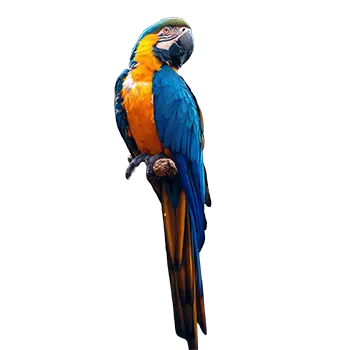

Defining the onset of the senior stage in a Blue and Gold Macaw is not as straightforward as it is in shorter-lived species. With a potential lifespan of fifty to seventy years, these birds enjoy an extraordinarily long prime period. Most avian veterinarians consider a Blue and Gold Macaw to be entering the senior phase somewhere around thirty-five to forty years of age, though individual variation is significant. Some birds show signs of aging earlier due to genetics, diet, or chronic health conditions, while others remain vigorous well into their forties.
The transition into seniorhood is typically gradual rather than sudden. Owners may first notice subtle changes such as a decrease in overall activity level, longer rest periods during the day, or a slight reduction in appetite. The bird may become less interested in vigorous play while still enjoying quieter forms of interaction. Feather condition may change, with molts taking longer to complete and new feathers sometimes emerging with less vibrancy than in younger years.
There is no single test or marker that declares a macaw officially senior. Instead, the designation reflects a constellation of age-related changes that, taken together, indicate the bird is entering a phase of life where increased veterinary attention and environmental modifications are appropriate. Working with an avian veterinarian who has experience with geriatric parrots is invaluable during this transition.
It is important to approach the senior years without alarm. Many Blue and Gold Macaws continue to lead active, engaged, and happy lives well into their senior period. The goal is not to treat aging as a disease but to adjust care proactively so the bird remains comfortable, healthy, and mentally stimulated as its needs evolve.