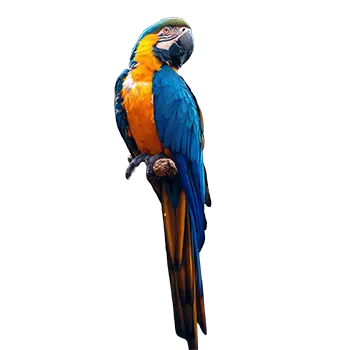

Recognizing that a Blue and Gold Macaw is approaching the end of its life can be difficult, both emotionally and practically. These birds are masters at concealing illness and discomfort, an instinct inherited from their wild ancestors, where showing weakness attracted predators. By the time outward signs of decline become obvious, the underlying condition may be quite advanced. This makes attentive daily observation and regular veterinary monitoring throughout the senior years all the more important.
Common signs that a macaw may be entering a terminal decline include sustained weight loss that does not respond to dietary adjustments, progressive loss of appetite, reduced or absent vocalization, prolonged fluffing of the feathers, and a general withdrawal from social interaction. The bird may spend increasing amounts of time sitting quietly at the bottom of the cage or on a low perch with its eyes partially closed. Changes in droppings, including color, consistency, and volume, often accompany systemic decline.
Respiratory changes such as labored breathing, tail bobbing, or audible wheezing may indicate advanced cardiac or respiratory disease. Neurological signs including loss of balance, head tilt, tremors, or seizures can reflect a variety of end-stage conditions. Any of these signs warrants an urgent veterinary evaluation to determine whether the condition is treatable or whether the focus should shift to comfort care.
It is important to distinguish between a treatable acute illness and a progressive terminal condition. An older macaw that suddenly becomes ill may have an infection, toxin exposure, or other condition that responds to treatment. Your avian veterinarian is the best resource for making this determination. Honest communication with your veterinarian about the bird's trajectory helps you make informed decisions about what comes next.