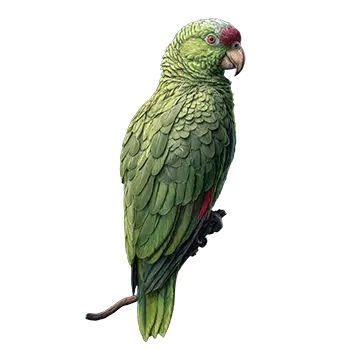

Recognizing the Senior Transition

Determining when a Lilac-Crowned Amazon has entered its senior years is not as straightforward as it is with shorter-lived companion animals. There is no universally agreed-upon age threshold that marks the transition from adult to senior in long-lived psittacines, but most avian veterinarians consider Amazons to be entering the senior phase somewhere between 30 and 40 years of age, depending on overall health, genetics, and lifetime care quality. A bird that has been well-nourished, mentally stimulated, and regularly monitored by a veterinarian may show minimal signs of aging at 35, while a bird with a history of dietary deficiencies or chronic illness may exhibit geriatric changes a decade earlier.

The first signs of aging are often subtle and develop gradually enough that caregivers may not notice them unless they are actively watching. A slight decrease in overall activity level is common — the bird may spend more time resting on its preferred perch, engage less frequently in vigorous play, and reduce its daily flight time. Grip strength may diminish, evident when the bird has difficulty grasping food items it previously handled with ease or when it repositions on the perch more carefully and deliberately. These changes reflect natural musculoskeletal aging and do not necessarily indicate disease, but they do signal that the bird's care routine should begin to adapt.

Feather quality changes can also indicate the onset of aging. Molts may become slower and more prolonged, and the new feathers that grow in may appear slightly duller or rougher in texture than their predecessors. The lilac crown coloring may become less vivid in very old birds, though this is highly variable among individuals. Skin may become less elastic and appear drier, and the cere and nares may show age-related textural changes. None of these changes alone is cause for alarm, but taken together they compose a picture of a bird entering a new phase of life that calls for adjusted care.

The most important response to recognizing the senior transition is to increase veterinary monitoring. A bird that has been receiving annual examinations should now be seen twice per year, with comprehensive blood work at each visit. Many age-related conditions — renal decline, hepatic changes, cardiovascular disease, and neoplasia — develop silently and are far more manageable when caught early. Establishing a biannual schedule before problems arise ensures continuity of care and provides the veterinarian with the trend data needed to spot subtle changes.

Age-Related Health Conditions

Senior Lilac-Crowned Amazons face a set of health challenges driven by the cumulative effects of aging on organ systems, metabolism, and immune function. While not every bird will develop every condition, awareness of the most common geriatric diagnoses allows caregivers to recognize early signs and seek timely intervention. Many age-related conditions are manageable with veterinary care, dietary adjustment, and environmental modification, particularly when detected before they reach advanced stages.

Atherosclerosis is one of the most significant cardiovascular conditions affecting aged Amazons. The buildup of lipid plaques in arterial walls progresses over decades and is strongly associated with high-fat diets, obesity, and sedentary lifestyles. Clinical signs may include exercise intolerance, labored breathing, sudden weakness, and in severe cases, stroke-like episodes or sudden death. Diagnosis is challenging in live birds and may involve radiographic imaging, echocardiography, and blood lipid panels. Birds with diagnosed or suspected atherosclerosis benefit from strict dietary management — elimination of high-fat foods, increased omega-3 fatty acid sources, and weight normalization.

Renal disease becomes increasingly common in older Amazons and may present as increased water consumption and urine output, weight loss, lethargy, and changes in droppings consistency. Blood chemistry panels that include uric acid, phosphorus, and calcium levels help identify renal compromise. Chronic kidney disease in birds is generally managed rather than cured, with treatment focused on dietary protein moderation, hydration support, and management of secondary complications such as gout, which manifests as painful uric acid crystal deposits in joints and soft tissues.

Cataracts and other forms of visual impairment occur in geriatric parrots, though they are less commonly diagnosed than in companion mammals, partly because birds compensate for gradual vision loss by relying on other senses. A bird that becomes more cautious in its movements, startles more easily, or shows difficulty locating food items may be experiencing visual decline. Ophthalmic examination by a veterinarian experienced in avian eyes can confirm the diagnosis. While surgical cataract removal is possible in some cases, management often focuses on environmental accommodations — keeping cage furniture in consistent positions, maintaining predictable routines, and ensuring adequate lighting.

Neoplasia, or cancer, is an increasingly recognized cause of morbidity and mortality in aged parrots. Amazons can develop tumors in virtually any organ system, with lipomas, reproductive tract tumors, and hepatic neoplasia among the more commonly reported types. Regular veterinary examinations that include palpation of the body, monitoring of weight changes, and periodic imaging help detect masses at earlier, potentially more treatable stages.

Dietary Adjustments for the Aging Bird

The nutritional needs of a senior Lilac-Crowned Amazon shift as metabolism slows, organ function changes, and activity levels decline. A diet that was appropriate for a vigorous adult may deliver excess calories to a less active senior bird, contributing to weight gain that strains the cardiovascular system, liver, and joints. Conversely, some aging birds experience appetite reduction and weight loss that require the opposite intervention — caloric fortification and palatability enhancement to maintain body condition.

Caloric recalibration is the first adjustment to consider. If the bird is maintaining a healthy weight on its current diet, no change in quantity may be needed, but the composition should shift toward lower-fat, higher-fiber options. Reduce or eliminate seed and nut portions and increase the vegetable component. Cooked whole grains, legumes, and sprouted seeds provide sustained energy without the excessive fat content that drives hepatic lipidosis and atherosclerosis. If the bird is overweight, a gradual reduction in total caloric intake — not a sudden restriction — allows safe weight loss without the metabolic stress of abrupt dietary change.

For birds experiencing age-related weight loss or reduced appetite, the approach reverses. Offer food in smaller, more frequent portions rather than two large servings per day. Slightly warming fresh foods can enhance their aroma and palatability for a bird whose sense of taste or smell may be diminished. Adding a small amount of healthy fats — a drizzle of flaxseed oil or a few extra nuts — can boost caloric density when weight maintenance is the priority. Any persistent, unexplained weight loss in a senior bird should be investigated by a veterinarian, as it may indicate underlying renal disease, gastrointestinal malabsorption, or neoplasia.

Joint-supporting nutrients become relevant for older birds. Foods rich in omega-3 fatty acids — flaxseed, chia seed, walnuts, and hemp hearts — provide anti-inflammatory benefits that may ease arthritic discomfort. Calcium and vitamin D3 adequacy remain important for bone density maintenance, though excess calcium supplementation in the absence of documented deficiency can contribute to renal calcification. Discuss supplementation with the avian veterinarian based on the individual bird's blood work results.

Hydration support deserves increased attention in geriatric birds. Aging kidneys may be less efficient at concentrating urine, and birds with reduced mobility may visit the water dish less frequently. Ensure water is always fresh, easily accessible from the bird's preferred resting perch, and offered in a dish that accommodates any grip or balance limitations. Offering juicy fruits, misted vegetables, and water-rich foods such as cucumber and melon adds supplemental hydration through the diet.

Mobility and Cage Accommodations

As a Lilac-Crowned Amazon ages, changes in grip strength, balance, joint flexibility, and visual acuity may require modifications to its living space. A cage setup designed for an agile adult can become hazardous for a bird that can no longer grip narrow perches securely, climb cage bars with confidence, or land accurately after a short flight. Thoughtful accommodations preserve the bird's independence and safety while maintaining as much of its normal activity as possible.

Perch modifications are typically the first accommodation needed. Replace thin, smooth dowel perches with wider, textured alternatives that give aging feet a more secure grip surface. Natural wood perches with irregular diameters allow the bird to choose a gripping position that is comfortable for its individual foot condition. Platform perches — flat or gently contoured shelves that attach to the cage bars — provide resting surfaces where the bird can sit without the constant effort of gripping a round perch. These are especially valuable for birds showing signs of arthritis, foot stiffness, or reduced grip strength. Position at least one platform perch near food and water stations so the bird can eat and drink without needing to navigate to a separate location.

Cage layout should be simplified to reduce the climbing and navigation demands placed on the bird. Lower the primary perching and feeding area if the bird has difficulty reaching its previous favorite spots. Remove upper perches that the bird no longer uses if they create obstacles during movement between areas it does use. Ensure that perch spacing allows the bird to step between perches without stretching or jumping uncomfortably. If the bird is no longer able to climb the cage bars to reach different levels, consider adding a ramp, a series of closely spaced perches that create a staircase effect, or transitioning to a wider cage with more horizontal space rather than vertical height.

Flooring considerations become important for birds with compromised mobility. A senior Amazon that loses its grip and falls to the cage floor faces a harder landing on bare metal grate than it would on a padded surface. Placing a soft, washable mat or towel over a section of the cage floor provides a safer landing zone. If the cage has a wire grate floor, consider removing it and using flat newspaper or cage liners directly on the tray, as wire grates can catch arthritic toes and cause injury.

Temperature sensitivity often increases with age. A senior bird may need its cage moved away from drafty areas that it previously tolerated without difficulty. Providing a heat panel or a ceramic heat emitter mounted outside the cage on one side allows the bird to move toward or away from supplemental warmth as needed. Avoid heated perches, which can cause thermal burns to feet with reduced circulation or sensation.

Cognitive Health and Enrichment

Cognitive function in senior Lilac-Crowned Amazons may decline gradually, manifesting as reduced problem-solving speed, decreased interest in previously engaging activities, repetitive behavioral patterns, or episodes of apparent confusion. While the study of cognitive aging in parrots is still in its early stages compared to mammalian research, clinical experience and observational data suggest that mental stimulation continues to be beneficial throughout the senior period and may slow the progression of age-related cognitive changes.

Continued enrichment must be calibrated to the bird's current abilities rather than its peak performance. A senior bird that once solved complex foraging puzzles in minutes may now need simpler versions of the same concept — food wrapped in a single layer of paper rather than a multi-step puzzle box, or treats placed in visible, easily accessible locations rather than deeply hidden. The goal is to provide cognitive engagement at a level that challenges without frustrating. Frustration from tasks that have become too difficult can cause a senior bird to disengage from enrichment entirely.

Social interaction remains the most powerful form of mental stimulation for an aging Amazon. Maintain regular, predictable interaction routines — morning greetings, shared mealtimes, conversation, and quiet companionship. A senior bird that has been a companion for decades has a deeply embedded social bond with its family, and isolation or reduced attention during the senior years can trigger depression, feather-damaging behavior, and accelerated cognitive decline. Even if the bird's energy for active play has diminished, its need for social presence has not.

Training can and should continue in adapted form. A senior Lilac-Crowned Amazon may not learn new behaviors as quickly as it once did, but it can still enjoy the interaction and mental engagement that training sessions provide. Review familiar behaviors, introduce gentle variations on established tricks, and keep sessions short and rewarding. The process of engaging with the caregiver, attending to cues, and earning reinforcement provides cognitive exercise regardless of whether the bird is mastering novel tasks.

Monitor for signs of cognitive dysfunction that go beyond normal slowing. A bird that becomes persistently disoriented in familiar surroundings, fails to recognize long-term family members, shows dramatic personality shifts unrelated to health changes, or develops compulsive repetitive behaviors — such as persistent pacing, head-swinging, or self-directed aggression — should be evaluated by an avian veterinarian. While treatment options for avian cognitive dysfunction are limited, ruling out treatable causes such as hepatic encephalopathy, heavy metal exposure, and neurological infections is an essential diagnostic step.

Pain Recognition and Comfort

Parrots are prey animals that instinctively mask pain and illness, a survival strategy that makes pain recognition in a senior Lilac-Crowned Amazon genuinely challenging. The bird's natural inclination is to appear normal for as long as possible, which means that by the time pain becomes visible to the caregiver, it may have been present for some time. Learning to read the subtle behavioral indicators of discomfort is one of the most important skills a caregiver can develop for a geriatric bird.

Postural changes are among the most reliable pain indicators. A bird in pain may shift weight from one foot to the other more frequently than usual, hold one foot elevated or tucked, stand with a wider-than-normal stance, or adopt a hunched posture with feathers slightly fluffed. Changes in how the bird sleeps — sleeping on both feet instead of its usual one-footed posture, sleeping with its head tucked more deeply, or sleeping at unusual times — can indicate discomfort that worsens during rest. Reduced preening, or preening that suddenly avoids a specific body area, may signal pain in that region.

Appetite and activity changes provide additional clues. A bird that was previously enthusiastic about eating but now approaches food more cautiously, drops food it has picked up, or eats significantly less may be experiencing oral pain from beak or crop issues, or generalized malaise from systemic disease. A bird that reduces its climbing, stops using favored toys, or ceases its usual vocalizations may be conserving energy because normal activities have become painful or exhausting.

Aggression or withdrawal that develops without an obvious environmental trigger can be pain-mediated. A bird that begins biting during handling when it was previously compliant may be protecting a painful area. Similarly, a bird that becomes unusually quiet, withdrawn, or unresponsive to interaction may be in sufficient discomfort that social engagement is no longer rewarding enough to overcome the effort it requires.

Pain management in avian medicine has advanced considerably, and no senior bird should suffer unmanaged chronic pain. Non-steroidal anti-inflammatory drugs, opioid analgesics, and adjunctive therapies including laser therapy and acupuncture are available through qualified avian veterinarians. If you suspect your bird is in pain, request a thorough evaluation. Document the specific behavioral changes you have observed and their timing, as this information helps the veterinarian localize the problem and select appropriate diagnostic steps.

Quality of Life Assessment

Assessing quality of life in a senior Lilac-Crowned Amazon is an ongoing process, not a one-time decision. As the bird ages and chronic conditions accumulate, the caregiver must continually evaluate whether the bird's daily experience includes enough comfort, engagement, and pleasure to constitute a life worth living from the bird's perspective, not solely from the caregiver's emotional attachment. This assessment is difficult precisely because it requires honest observation rather than hopeful interpretation.

Several frameworks exist for evaluating quality of life in companion animals, and while most were developed for dogs and cats, the core principles translate to parrots. Key domains to evaluate include pain and comfort, appetite and nutritional intake, mobility, hygiene and grooming, social interaction, mental engagement, and the balance between good days and bad days. A bird that still eats with enthusiasm, interacts with its family, preens itself, and shows interest in its surroundings is generally experiencing an acceptable quality of life, even if it has slowed down significantly from its prime.

The balance between good days and bad days is a particularly useful metric for long-lived parrots whose decline may be very gradual. Keep a simple daily log noting the bird's appetite, activity level, social engagement, and any pain indicators. Over weeks and months, this log reveals trends that are invisible day to day. A bird that was having five good days for every two difficult ones six months ago but now has the ratio reversed is telling you something important about its trajectory.

Medical intervention has limits, and part of responsible senior care is recognizing when treatment shifts from extending meaningful life to prolonging discomfort. A bird undergoing repeated veterinary procedures, chronic medication with unpleasant side effects, or forced feeding is not necessarily experiencing a better quality of life than one that is allowed to decline naturally with comfort care. These decisions are deeply personal and should be made in partnership with a trusted avian veterinarian who knows the bird's history and can provide an objective clinical perspective.

Begin conversations about end-of-life care with your veterinarian before they become urgent. Understanding the options — palliative care, hospice-style comfort management, and humane euthanasia — while the bird is still in stable condition allows you to make thoughtful decisions rather than crisis-driven ones. Knowing that you have a plan in place, even one you hope never to implement, provides a measure of peace for the caregiver and ensures that the bird's final experience will be guided by compassion rather than panic.

Always consult a qualified professional before making any health-related decisions. This content is provided for informational reference only and should not replace professional guidance specific to your animal.