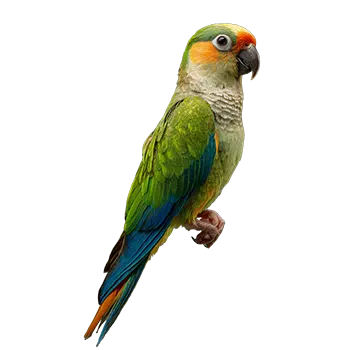

Half-Moon Conures typically begin showing signs of aging somewhere between 15 and 20 years of age, though the exact onset varies based on genetics, lifetime diet, environmental conditions, and the quality of veterinary care the bird has received throughout its life. Unlike mammals, birds often mask the early signs of aging remarkably well, a survival instinct inherited from wild ancestors for whom visible weakness attracted predation. This means that by the time age-related changes become obvious to the caregiver, they may already be well established internally.
The earliest outward indicators of the senior transition are often subtle shifts in activity level and routine. A bird that once spent hours in active play may begin resting more frequently, choosing to perch quietly rather than climb and explore. Morning vocalizations that were once vigorous and extended may become shorter or less emphatic. These changes can be so gradual that they escape notice unless the caregiver is specifically watching for them. Keeping a behavioral journal where you periodically note the bird's activity patterns, vocalization habits, and appetite helps establish a baseline that makes deviations more apparent.
Physical signs of aging accumulate over time. Feather quality may decline, with plumage appearing duller, less tightly structured, or showing increased brittleness. The beak and nails may grow at altered rates, sometimes faster due to reduced natural wear from decreased activity, sometimes more slowly as metabolic processes decelerate. The feet and joints may show early signs of stiffness, visible as a reluctance to grip perches of certain diameters or difficulty climbing cage bars that the bird once navigated effortlessly.
Recognizing the senior transition is not cause for alarm but rather a signal to shift care strategies proactively. A Half-Moon Conure entering its senior years can still enjoy excellent quality of life for many years if its changing needs are anticipated and accommodated. The adjustments required are not dramatic overhauls but thoughtful refinements to housing, diet, enrichment, and veterinary care that account for the realities of an aging body while preserving the bird's dignity and engagement with life.