
The First 24 Hours

A newly hatched white-bellied caique enters the world blind, nearly featherless, and completely dependent on parental care or the dedicated attention of a hand-feeder. In the first hours after hatching, the chick will rest frequently as it recovers from the exertion of breaking through the shell. The yolk sac provides initial nourishment during this period, so feeding is typically not necessary for the first several hours. Observing the chick without excessive handling is important, as the hatchling needs warmth and calm above all else.

If the chick is being parent-raised, the hen will begin offering small amounts of crop milk and regurgitated food within the first twelve to twenty-four hours. For breeders who plan to hand-raise, the transition from the nest to a brooder should be handled gently and swiftly to minimize stress. The brooder should already be stabilized at the correct temperature before the chick is placed inside.

Weighing the chick shortly after hatching establishes a critical baseline. Daily weight tracking from this point forward is one of the most reliable indicators of whether the chick is thriving. A healthy white-bellied caique hatchling typically weighs between six and eight grams at birth, and consistent weight gain over the first few days signals that feeding and digestion are functioning properly.

Watch for any signs of distress such as prolonged lethargy beyond normal resting, failure to respond to gentle stimulation, or discoloration of the skin. While hatchlings are naturally quiet and still, a chick that shows no feeding response after twenty-four hours warrants immediate consultation with an avian veterinarian.

Feeding & Nutrition

Feeding a newborn white-bellied caique requires precision, patience, and a strict commitment to hygiene. Whether parent-raised or hand-fed, the chick's crop must be monitored closely to ensure food is being delivered and digested properly. For hand-feeders, a commercially prepared hand-feeding formula designed specifically for parrots is essential. The formula should be mixed fresh for each feeding and prepared at the temperature recommended by the manufacturer, as food that is too hot can cause severe crop burns and food that is too cool may not be digested.

During the first week, feedings are frequent, typically every two to three hours around the clock. The volume per feeding is very small, often just a fraction of a milliliter, and should be increased gradually as the chick grows. A curved-tip syringe or specialized feeding spoon allows controlled delivery, reducing the risk of aspiration. Always allow the crop to empty or nearly empty between feedings, as stagnant food in the crop can lead to bacterial or fungal infections.

As the chick enters its second and third weeks, the interval between feedings can slowly extend. The formula consistency may also be gradually thickened according to the product's guidelines. Weight checks before the first feeding of each day provide the clearest picture of growth trends. A chick that stalls or loses weight for more than one day should be evaluated promptly.

Hygiene during every feeding session cannot be overstated. All feeding instruments should be thoroughly cleaned and disinfected between uses. Hands should be washed before handling the chick or any feeding supplies. Contaminated formula or unclean syringes are among the leading causes of crop infections in hand-fed parrot chicks.

Developmental Milestones

White-bellied caique chicks progress through a series of physical milestones during the newborn stage that provide clear markers of healthy development. In the first few days, the eyes remain closed and the body is covered in sparse, pale down. By roughly ten to fourteen days, the eyes begin to open, initially as narrow slits that gradually widen over several days. This is a significant milestone that signals neurological development is proceeding normally.

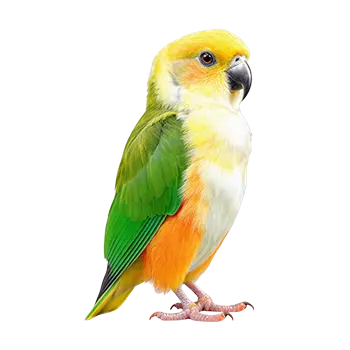
Pin feathers begin to emerge along the wings and back between two and three weeks of age. These early feather sheaths look like small, waxy tubes protruding from the skin and will eventually unfurl into the vibrant green, yellow, and white plumage that defines the species. The appearance of pin feathers also marks a period of increased nutritional demand, so feeding volumes should be adjusted to support this growth.

Motor development progresses from nearly immobile in the first days to increasingly active by the third and fourth week. The chick will begin to hold its head up more steadily, grip surfaces with its developing feet, and show rudimentary preening behaviors as feathers emerge. Vocalizations also become more varied and frequent during this period, shifting from simple feeding cries to a broader range of sounds.

Each chick develops at its own pace, and minor variations in the timing of milestones are normal. However, significant delays in eye opening, feather development, or motor coordination compared to clutch mates or standard timelines should be discussed with an avian veterinarian to rule out nutritional deficiencies or underlying health concerns.

Temperature & Environment

Maintaining the correct environmental temperature is arguably the single most critical factor in newborn caique survival. Hatchlings cannot regulate their own body temperature and rely entirely on external heat sources. For hand-raised chicks, a brooder set to approximately 95 to 97 degrees Fahrenheit during the first week provides the necessary warmth. As the chick grows and develops down and feather coverage, the temperature can be gradually reduced by a few degrees each week.

The brooder should maintain consistent humidity levels as well, ideally between 55 and 65 percent. Insufficient humidity can lead to dehydration and difficulty with skin and feather development, while excessive moisture promotes bacterial growth. A reliable digital thermometer and hygrometer placed inside the brooder allow for accurate monitoring without the need to open the enclosure frequently.

Bedding material in the brooder should be soft, non-toxic, and easy to replace. Paper towels or clean cloth are commonly used because they allow the caretaker to monitor droppings easily. Avoid loose substrates like wood shavings that could be accidentally ingested or irritate the chick's delicate respiratory system. The bedding should be changed at each feeding or whenever it becomes soiled.

The brooder should be positioned in a quiet, draft-free area away from direct sunlight, heating vents, and household traffic. Sudden temperature fluctuations, loud noises, and vibrations all cause stress that can compromise the chick's immune system and interfere with healthy growth. A stable, calm environment gives the newborn caique the best possible foundation during its most vulnerable weeks.

Early Socialization

Socialization during the newborn period lays the groundwork for a well-adjusted adult caique, but it must be balanced carefully against the chick's need for rest and minimal stress. In the earliest days, socialization consists primarily of gentle, brief handling during feeding sessions. The chick begins to associate human touch with warmth and nourishment, forming the earliest bonds of trust that will shape its temperament for years to come.

As the chick's eyes open and it becomes more aware of its surroundings, short periods of gentle interaction beyond feeding can be introduced. Speaking softly to the chick, allowing it to rest in cupped hands, and exposing it to normal household sounds at a low volume all contribute to a gradual acclimation to the human environment. White-bellied caiques are naturally bold and curious birds, and even at a young age, they may begin to show interest in their surroundings.

It is important not to overwhelm a newborn chick with excessive handling or stimulation. Sessions should be brief and always guided by the chick's behavior. A chick that becomes restless, vocalizes in distress, or attempts to retreat should be returned to the brooder promptly. Positive early experiences build confidence, while forced or stressful interactions can create lasting anxiety.

If the chick is being parent-raised with the intention of eventual hand-taming, brief daily handling sessions can begin once the chick is stable and growing well, typically around two to three weeks of age. This allows the chick to benefit from parental feeding and warmth while still developing a comfort level with human contact.

Health Screening & Vet Visits

An initial veterinary examination by an avian specialist is strongly recommended within the first few days of life, particularly for hand-raised chicks. This baseline exam allows the veterinarian to assess the chick's overall condition, check for congenital abnormalities, and establish a health record. The vet may perform a crop swab to check for bacterial or fungal organisms and evaluate hydration status and body condition.

Common health concerns during the newborn period include crop stasis, where food fails to move through the digestive tract at a normal rate, and yeast or bacterial infections that can colonize the crop in unsanitary conditions. Aspiration pneumonia is another risk for hand-fed chicks if feeding technique is improper. Recognizing the early signs of these conditions, such as a slow-emptying crop, changes in droppings, or labored breathing, is essential for timely intervention.

Daily health monitoring at home should include weight tracking, observation of droppings for color and consistency, and visual inspection of the chick's skin, eyes, and developing feathers. Droppings from a healthy chick on hand-feeding formula will differ from those of a weaned bird, so familiarizing yourself with the normal appearance for this stage prevents unnecessary alarm while still allowing you to detect genuine changes.

Keeping detailed records of weight, feeding times and volumes, crop emptying times, and any behavioral observations creates a valuable health log. This information is extremely helpful for the veterinarian if a problem does arise, as trends in the data often reveal issues before they become visually obvious.

When to Worry

Even with attentive care, problems can develop quickly in newborn caiques due to their small size and limited reserves. Knowing the warning signs that require immediate attention can make the difference between a minor setback and a life-threatening situation. Weight loss or failure to gain weight over a twenty-four-hour period is one of the earliest and most reliable indicators of trouble. While a single flat day may occasionally occur, consecutive days of stagnant or declining weight demand prompt veterinary evaluation.

A crop that fails to empty within the expected timeframe is a red flag. Crop stasis can result from formula that is too cold, bacterial or fungal infection, dehydration, or environmental temperatures that are too low. If the crop remains full or feels doughy hours after it should have emptied, do not add more food. Instead, gently warm the chick and consult your avian veterinarian for guidance.

Changes in droppings are another important signal. While some variation is normal as the chick grows, droppings that become unusually watery, discolored, foul-smelling, or contain undigested food particles suggest digestive distress. Similarly, a chick that becomes noticeably less responsive, stops begging for food, or feels cool to the touch despite proper brooder temperatures may be experiencing a systemic illness.

Respiratory symptoms such as wheezing, clicking sounds, open-mouth breathing, or tail bobbing are urgent concerns that warrant immediate veterinary attention. Respiratory infections and aspiration events can deteriorate rapidly in neonatal birds. When in doubt, it is always better to seek professional advice sooner rather than later, as early treatment dramatically improves outcomes for fragile newborn parrots.

Always consult a qualified professional before making any health-related decisions. This content is provided for informational reference only and should not replace professional guidance specific to your animal.